Introduction
Don Williams: The Gentle Giant Who Sang Like a Man Speaking Directly to Your Heart
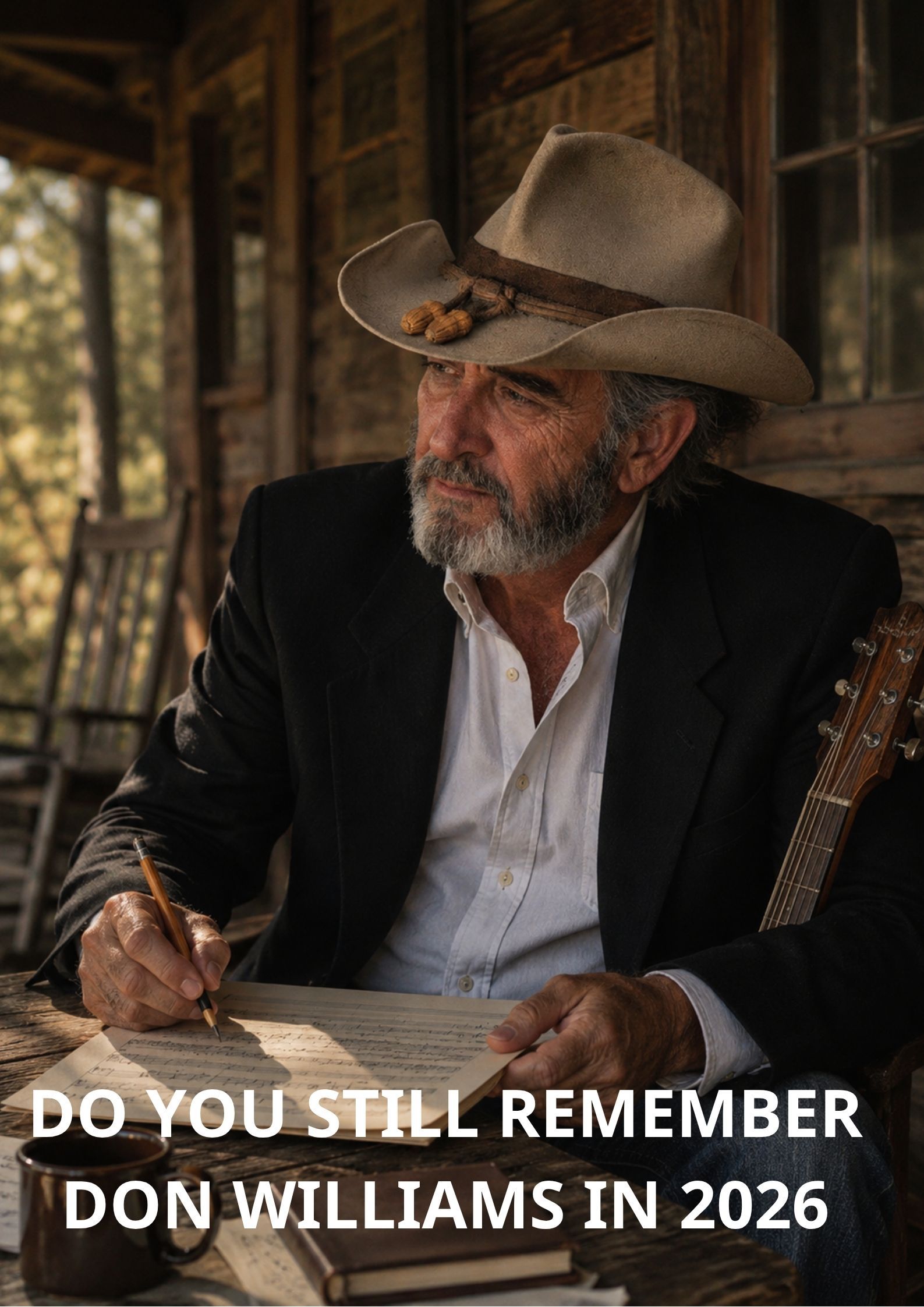
Don Williams: The Gentle Giant Who Sang Like a Man Speaking Directly to Your Heart
Don Williams never needed thunder to be powerful. He did not depend on flashing lights, dramatic gestures, or loud declarations to make people listen. His gift was quieter than that — and perhaps that is why it lasted so long. Known around the world as the “Gentle Giant” of country music, Don Williams built a career on warmth, simplicity, and emotional truth. His voice felt like a steady hand on the shoulder, the kind of voice that could calm a troubled room and make ordinary people feel understood.
Born Donald Ray Williams on May 27, 1939, in Floydada, Texas, Don came from humble beginnings. His father, James Andrew Williams, worked as a mechanic, while his mother, Loveta Mae, encouraged music in the home and helped introduce him to the guitar. Long before he became a country music legend, Don was simply a Texas boy absorbing the sounds around him — country songs, gospel feeling, and the rising influence of artists like Elvis Presley and Chuck Berry. By the time he graduated from Gregory-Portland High School in 1958, music had already planted itself deeply in his soul.
But Don Williams’ road to fame was not immediate. After high school, he served in the U.S. Army, then returned home and worked ordinary jobs, including delivery driving, debt collecting, and oil field work. Those years mattered. They gave him a connection to working people that never left his music. When Don sang about love, loneliness, loyalty, and home, he did not sound like a man pretending. He sounded like someone who had lived close to real life.
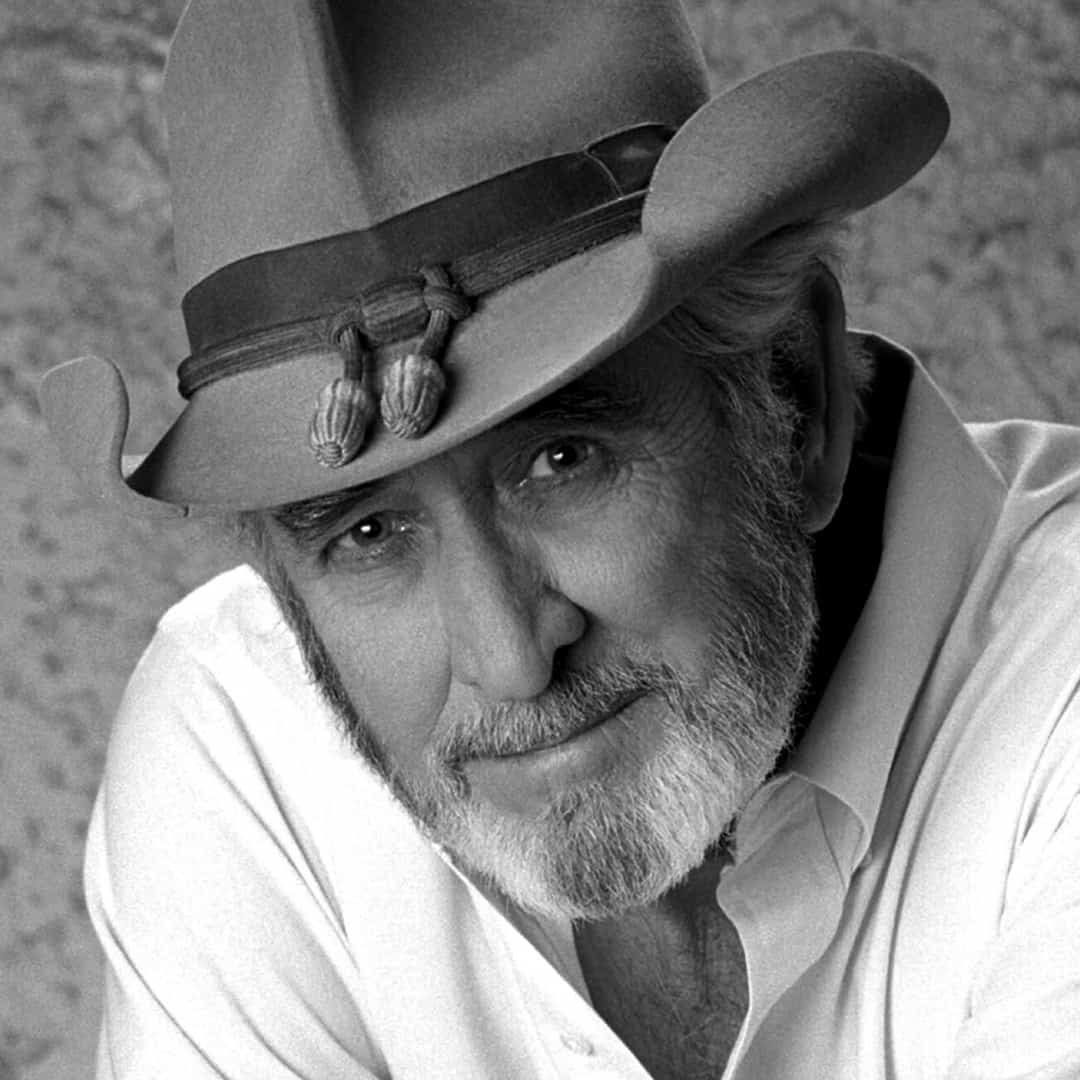
In the 1960s, Williams joined the folk-pop group Pozo-Seco Singers with Susan Taylor and Lofton Kline. The trio found some success, but Don’s true destiny emerged after the group disbanded. When he stepped forward as a solo artist, country music discovered one of its most comforting voices. His early recordings revealed a rare kind of restraint. He did not oversing. He trusted the lyric. He allowed silence and softness to do their work.
Songs like “You’re My Best Friend”, “Tulsa Time”, “I Believe in You”, and “Lord, I Hope This Day Is Good” became more than hits. They became companions. People played them during long drives, quiet evenings, family gatherings, and private moments of reflection. Between 1974 and 1991, Don Williams placed major songs on the country charts year after year, proving that sincerity could have remarkable staying power.

His success was extraordinary, but his style remained humble. Don did not chase trends. He did not try to become someone else. He stood almost still onstage, wore his familiar hat, and let that deep, peaceful voice carry the room. For older listeners especially, his music still feels like a reminder of a more patient time — when a song could be gentle and still unforgettable.
In 2010, Don Williams was inducted into the Country Music Hall of Fame, a fitting honor for a man whose influence stretched far beyond Nashville. His songs were recorded and admired by artists across generations, including Johnny Cash and many others who recognized the quiet greatness in his writing and delivery.
Behind the music was a devoted family man. Don married Joy Bucher in 1960, and together they built a life that remained central to him. Fame never seemed to swallow him whole. He carried himself with dignity, privacy, and grace.
When Don Williams passed away on September 8, 2017, in Mobile, Alabama, country music lost one of its most beloved voices. But his songs did not disappear. They remain where they have always belonged — in the hearts of people who understand that the softest voice in the room can sometimes leave the deepest mark.