Introduction
The Lawsuit That Turned a Hit Song Into a Charity — When Music, Mistake, and Mercy Met in One Unforgettable Story
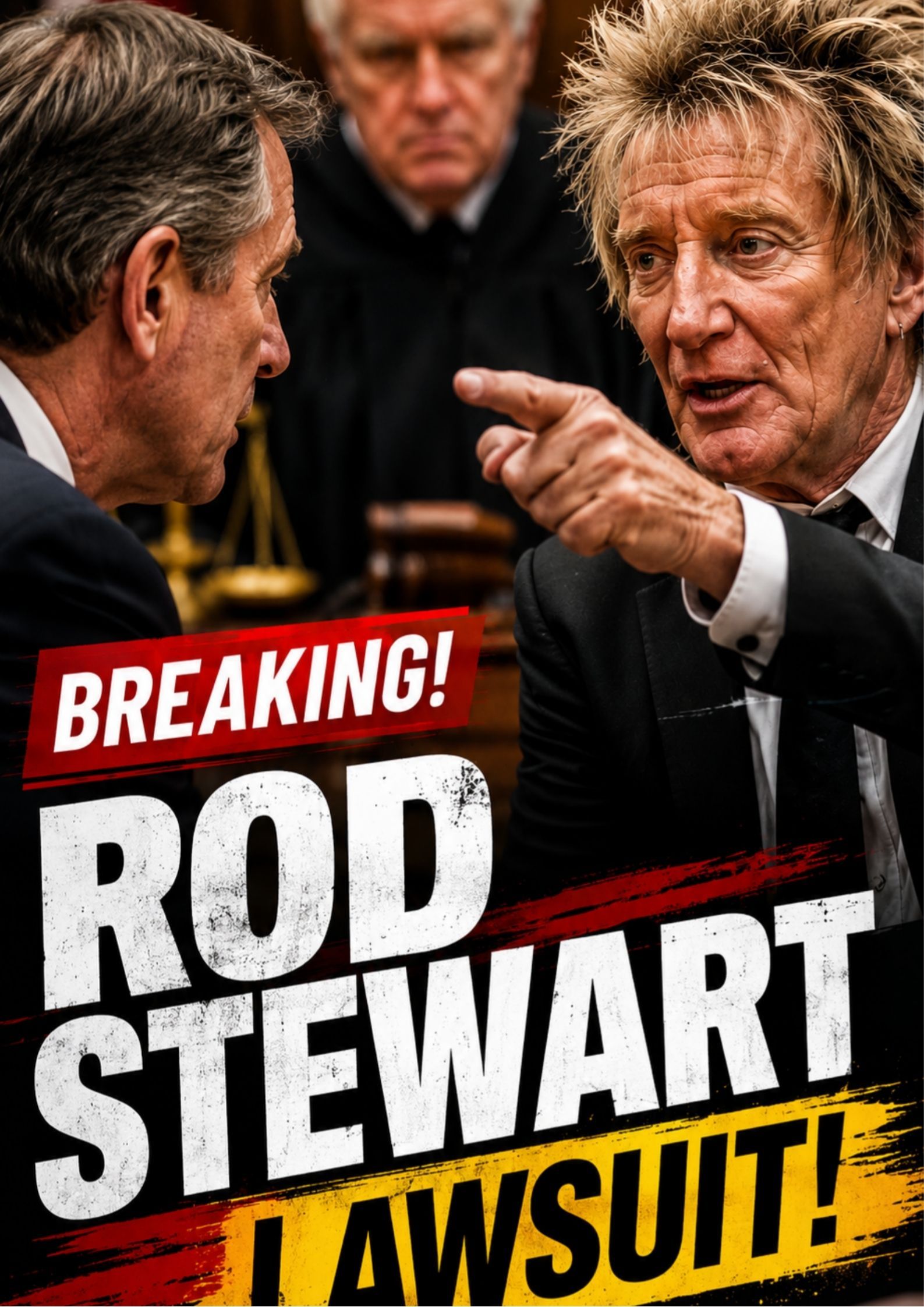
Some songs become famous because they climb the charts. Others become unforgettable because of the story that follows them. The Lawsuit that turned a hit song into a Charity 😍🎵 is one of those rare music stories where controversy did not end only in bitterness. It became a lesson in responsibility, humility, and the surprising power of art to give something back.
In the history of popular music, lawsuits over songs are nothing new. Melodies travel, influences overlap, and sometimes a few notes can carry more weight than anyone expected. But when a hit song is accused of sounding too close to another work, the conversation often becomes cold and legal. Lawyers enter the room. Headlines grow sharp. Fans take sides. What began as rhythm and emotion suddenly becomes a question of ownership, memory, and fairness.
Yet this particular story stands apart because the result was not simply punishment or public embarrassment. Instead, the legal dispute helped redirect the success of a hit song toward charity. According to American Songwriter, Rod Stewart’s 1978 hit “Do Ya Think I’m Sexy?” faced a copyright dispute from Brazilian musician Jorge Ben Jor, whose song “Taj Mahal” was said to share similarities with Stewart’s chorus. The matter was settled outside court, and Stewart reportedly agreed to donate the song’s royalties to UNICEF.

For older listeners, that detail changes the emotional shape of the story. A song once associated with bright lights, fame, and commercial success became tied to something larger than entertainment. It reminds us that popular music is never only about the singer on the stage. It is also about the people who wrote before, the cultures that influenced the sound, and the responsibilities that come when a song reaches millions.
What makes The Lawsuit that turned a hit song into a Charity 😍🎵 so compelling is the human contradiction at its center. A mistake, or at least a disputed similarity, did not erase the song’s popularity. But it did force a reckoning. In his later autobiography, Stewart reportedly described the situation as “unconscious plagiarism,” an admission that suggests how complicated musical influence can be. Artists absorb sounds over a lifetime. They remember melodies from radios, records, streets, dances, and distant moments. Sometimes the mind carries a tune without knowing exactly where it came from.
That does not remove responsibility, but it does make the story more layered. This was not just a courtroom drama. It was a reminder that music often belongs to more than one memory. A melody can cross oceans before it reaches a studio. A chorus can carry traces of another culture. A hit can become famous in one country while owing part of its spirit to another.
And then came the most meaningful turn: charity. The idea that a disputed song could help children through UNICEF gives the story a strange but moving grace. It does not make the lawsuit disappear. It does not undo the conflict. But it gives the outcome a moral dimension that many music scandals never achieve. Instead of ending only as a cautionary tale, it became a story about restitution, generosity, and the possibility that even controversy can produce something decent.
For mature music fans, this is why the story still matters. It asks difficult questions without losing its humanity. Who owns a melody? How much influence is too much? Can a famous artist make things right after a creative dispute? And perhaps most importantly, can a song’s legacy be reshaped by what happens after the applause?
The Lawsuit that turned a hit song into a Charity 😍🎵 is not simply about one legal case or one famous record. It is about the complicated life of music itself. Songs are born from memory, ambition, influence, and emotion. Sometimes they rise cleanly. Sometimes they carry shadows. But in rare cases, even those shadows can lead toward light.