Introduction
Rod Stewart’s Untold Journey From Street-Corner Dreamer to Rock Royalty — The Raspy Voice That Refused to Fade

Few voices in popular music are recognized within a single breath, but Rod Stewart has always belonged to that rare company. The moment his raspy, weathered tone enters a song, listeners know exactly who they are hearing. It is a voice that sounds lived-in — rough around the edges, full of mischief, tenderness, heartbreak, and hard-won experience. For more than fifty years, that voice has carried him from London clubs to international arenas, from scrappy blues bands to global solo superstardom, and from youthful rebellion to elder statesman status.
What makes Rod Stewart’s legacy so remarkable is not simply the number of records sold or awards collected. It is the way he has managed to remain both larger than life and deeply approachable. He has always seemed like both a star and a familiar face — the glamorous showman in the spotlight and the working-class storyteller who never completely left his roots behind. That combination made him one of the most enduring figures in British rock.
Born in North London in 1945, Stewart’s early years were marked by restlessness, musical curiosity, and the kind of hunger that often shapes great performers. Before fame arrived, he moved through Britain’s folk, blues, soul, and club scenes, absorbing influences that would later define his sound. He discovered the emotional force of singers like Sam Cooke and Otis Redding, and those influences helped shape a style that was never purely rock, never purely soul, and never easily boxed in.
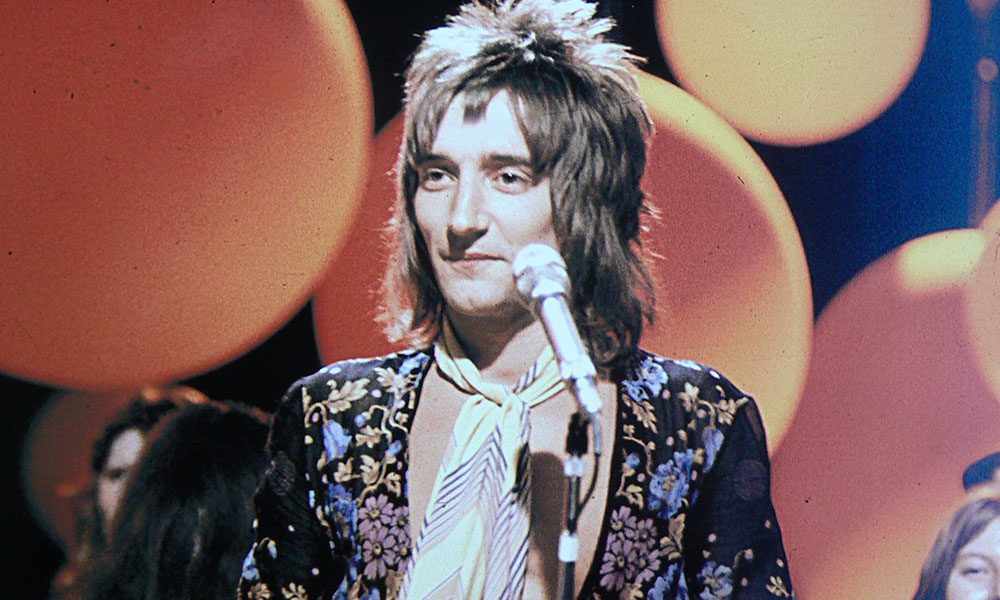
That musical mixture became his strength.
Before becoming a solo superstar, Stewart earned his reputation the hard way. His work with the Jeff Beck Group and later Faces gave him credibility as a frontman who could bring swagger, humor, and emotional bite to a band setting. With Ron Wood and the Faces, he found a loose, joyful, rough-edged spirit that perfectly matched his personality. The music sounded as though it might fall apart at any moment, yet somehow that chaos became part of its charm.
Still, it was his solo career that transformed Rod Stewart into a household name.
Albums such as An Old Raincoat Won’t Ever Let You Down, Gasoline Alley, and especially Every Picture Tells a Story revealed a young artist with unusual instincts. He could interpret another writer’s song and make it feel personal. He could sing folk, blues, rock, and ballads without losing his identity. And when “Maggie May” became a worldwide breakthrough, it did more than launch him commercially. It proved that Stewart could turn a story of regret, youth, and memory into a song millions would carry for life.
For older listeners, “Maggie May” remains more than a hit. It is a time capsule. It recalls an era when songs told stories without rushing, when voices were not polished into sameness, and when personality mattered as much as perfection. Stewart’s delivery was never clean in the conventional sense, but that was exactly the point. His imperfections made the emotion believable.
Throughout the decades, Stewart’s greatest gift has been interpretation. Songs like “Reason to Believe,” “Handbags and Gladrags,” “You Wear It Well,” “Sailing,” and later “Have I Told You Lately” demonstrate his ability to inhabit a lyric completely. He does not merely sing words. He gives them a face, a history, and a heartbeat. Whether playful or wounded, his performances make listeners feel as though the story belongs to someone they might actually know.

That human quality explains his extraordinary longevity.
Many artists from his era became trapped by nostalgia, forced to repeat the same image for decades. Stewart, however, continued shifting. He explored rock, folk, blues, pop, standards, and the great American songbook. Some moves surprised critics, but they also revealed a performer who understood that aging in music requires intelligence as well as energy. He did not simply cling to youth. He adapted while allowing his roots to remain visible.
And those roots have always mattered.
Beneath the famous hair, the flash, the stage charisma, and the celebrity persona is an artist shaped by old records, street-corner ambition, and a deep love of songs that tell the truth. Rod Stewart’s music works because it never feels emotionally distant. Even at his most polished, there remains something raw underneath — a reminder of the busker, the blues fan, and the young man trying to be heard in crowded rooms.
For American listeners who have followed him across generations, Stewart’s songs are tied to memory. They have played at weddings, reunions, late-night drives, heartbreaks, and quiet mornings when the past felt close. His voice has aged alongside his audience, and that shared passage of time gives his music an added tenderness today.
In the end, Rod Stewart endures because he never sounded like anyone else. He built a career on personality, feeling, and fearless musical curiosity. He could be rough, romantic, funny, defiant, sentimental, and deeply sincere — sometimes all in the same song.
That is why his story still matters. Not because he became a celebrity, but because he remained unmistakably himself. And after more than fifty years, that raspy voice still feels like an old friend leaning close, ready to tell one more unforgettable story.