Introduction
WHEN THREE BROTHERS MADE DEVOTION SOUND LIKE BLOOD: The Bee Gees’ “The Only Love” and the Quiet Majesty of High Civilization
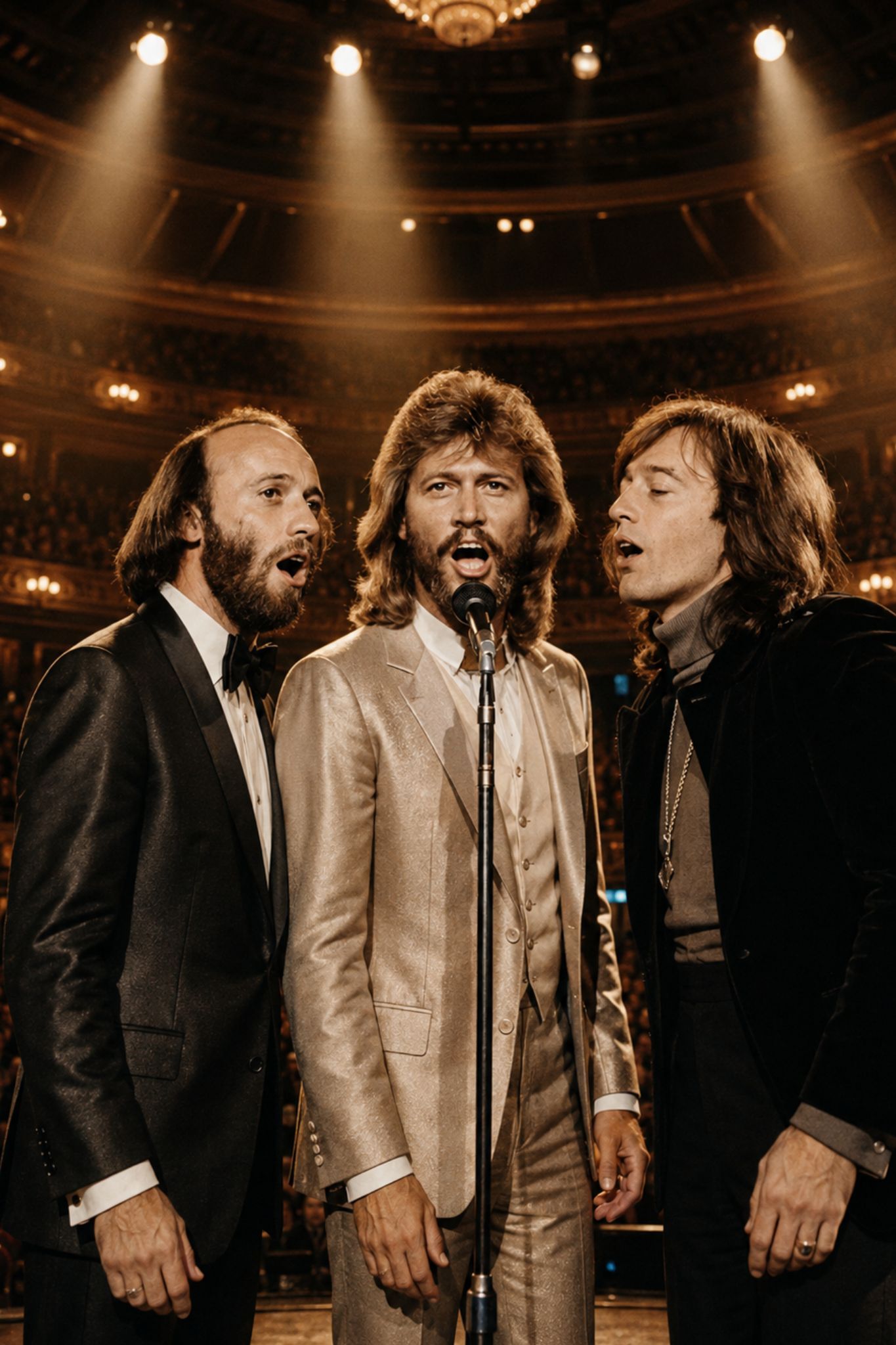
In 1991, the Bee Gees entered a new decade carrying more history than most groups could have survived. Barry, Robin, and Maurice Gibb had already known childhood ambition, international fame, painful separation, extraordinary reunions, changing musical fashions, and the peculiar burden of having one dazzling period threaten to define everything that came before or after it. Yet on “The Only Love,” they did not sound like three veterans demanding that the world remember their importance. They sounded like brothers gathering around a melody and allowing it to rise through the simple strength of voices that had spent a lifetime learning how to breathe together.
Released as part of the 1991 album High Civilization, “The Only Love” arrived at a moment when popular music was moving rapidly toward new electronic textures and production techniques. The album was released in the United Kingdom on March 25, 1991, and its eleven tracks placed the brothers’ familiar melodic instincts inside a distinctly early-1990s setting. Rather than pretending that the musical world had not changed, the Bee Gees embraced contemporary rhythms, synthesizers, programmed percussion, and a more expansive studio sound.
That modern surface is important, but it is not the deepest reason the recording endures. Beneath the polished production lies something much older: the unmistakable emotional architecture of the Gibb brothers singing together. Their harmonies never sounded merely arranged. They sounded inherited. The voices shared a family resemblance, yet each carried an individual character. Barry brought warmth and authority, Robin offered a trembling urgency that could make a phrase seem suspended in the air, and Maurice supplied the grounding musical instinct that helped bind the whole structure together.
On “The Only Love,” those qualities do not compete for attention. They support one another. The arrangement gradually opens, allowing the song to move from private reflection toward something almost ceremonial. By the time the voices rise together, the effect is not simply that of a well-rehearsed vocal group. It feels like three members of the same family lifting the same emotional weight.

That distinction explains why Bee Gees harmonies remain so difficult to imitate. Other singers can reproduce the notes, study the intervals, and approach the phrasing with technical accuracy. What cannot be easily reproduced is the history contained between the voices. Barry, Robin, and Maurice had been singing together since childhood. Their musical understanding was formed before record contracts, stadiums, awards, or international recognition. Long before audiences analyzed their vocal blend, the brothers had learned to anticipate one another instinctively.
When they sang, they were not only listening for pitch. They were responding to habits developed over decades: where one brother might pause, where another would lean into a syllable, and where the harmony needed to expand without overwhelming the lyric. That familiarity gave their recordings a sense of natural movement. Their voices could separate and return like members of a family leaving home and finding their way back.
By 1991, the Bee Gees had already experienced several acts in a career that might easily have ended after any one of them. They had emerged in the 1960s with richly melodic songs and emotionally dramatic ballads. They had survived an early breakup and reunited. During the 1970s, they transformed their approach again, becoming central figures in a period of popular music that brought them enormous commercial success but also attached their name permanently to the disco era. In the years that followed, changing tastes and resistance from some radio programmers made it difficult for the public to hear their later work without comparing it to their most famous period.
Yet the brothers never stopped writing. Even when their own recordings received less attention, their compositions continued to find success through other artists. Their gift was never limited to one rhythm, one vocal register, or one decade. At heart, they were melodists and storytellers, capable of shaping songs around longing, loyalty, regret, hope, and the fragile bonds that keep people connected.
The albums E.S.P. and One had already demonstrated that the Bee Gees could re-establish themselves beyond the shadow of the 1970s. “You Win Again” became a major European success in 1987, while “One” returned them to the American Top Ten in 1989. Those achievements did not erase the difficulties surrounding their public image, but they confirmed that the brothers still possessed the ability to write melodies capable of reaching a broad audience.

Their return was also marked by grief. Their younger brother Andy Gibb died in 1988, just as there had been hopes that he might work more closely with Barry, Robin, and Maurice. The album One was completed in the aftermath of that loss and dedicated to him, with “Wish You Were Here” serving as an especially direct expression of mourning. The experience inevitably changed the emotional atmosphere surrounding the three surviving brothers.
By the time they created High Civilization, family was therefore not an abstract idea. It represented shared beginnings, professional loyalty, old rivalries, reconciliation, and absence. The brothers understood that success could disappear, that public approval could reverse itself, and that even a family seemingly preserved forever in photographs could be changed without warning.
That history gives “The Only Love” a depth beyond the ordinary language of devotion. The title appears simple, almost traditional, yet the performance suggests something larger than a conventional declaration. The song speaks of commitment as though it were a final certainty discovered after disappointment has stripped away every weaker promise.
The Bee Gees had always been gifted at writing melodies that climbed. Their songs frequently begin in a restrained emotional space before rising toward a chorus that seems to open the ceiling above the listener. “The Only Love” follows that tradition, but its ascent is patient. It does not rush toward its grandest moment. Instead, the arrangement allows the emotion to gather gradually, as though the song must first prove that its conviction has been earned.
This patience separates the recording from music designed merely to capture immediate attention. “The Only Love” does not shout for recognition. It trusts the melody, the voices, and the accumulated authority of the performers. Its emotional power arrives through persistence rather than display.
The production of High Civilization has sometimes divided listeners because it is so clearly connected to its period. The electronic drums, synthesizer layers, and dramatic studio textures announce the early 1990s without apology. Yet dismissing the album for sounding like the era in which it was made would overlook the creative challenge the brothers were confronting. They were not attempting to recreate the acoustic ballads of the late 1960s or repeat the dance records of the late 1970s. They were searching for a language that could carry the Bee Gees into a new decade.
On “The Only Love,” that search becomes especially rewarding because the modern production does not erase the human center of the performance. The keyboards may establish the atmosphere, and the percussion may provide a contemporary frame, but the recording ultimately belongs to the voices. Technology surrounds the brothers without replacing them.
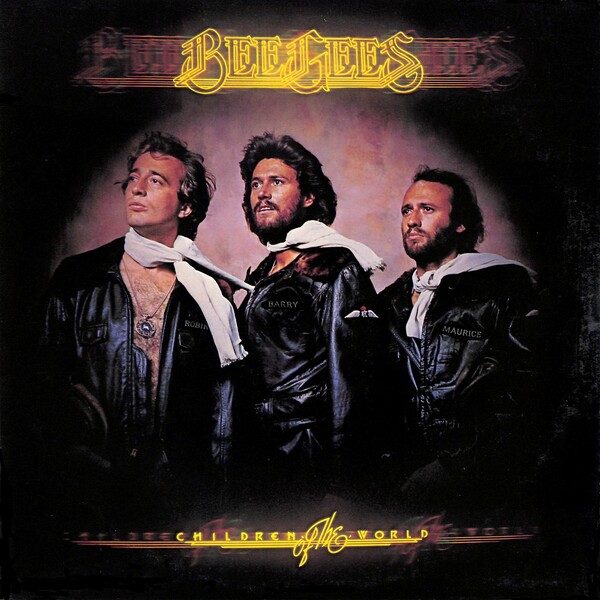
The track was also performed during the 1991 High Civilization Tour, giving audiences the opportunity to hear its gradual emotional rise in a live setting. Although it never became as universally recognized as “Massachusetts,” “How Deep Is Your Love,” “Stayin’ Alive,” or “You Win Again,” its quieter place in the catalogue has allowed devoted listeners to claim it almost as a private discovery.
Such songs often age beautifully because they are not exhausted by constant repetition. A listener can return after many years and discover that the melody has been waiting patiently, unchanged but newly relevant. What once sounded like a declaration may later sound like remembrance. What once seemed directed toward one person may begin to speak for an entire family.
This is where “The Only Love” becomes larger than its title. The recording may be framed as a song of devotion, but the Bee Gees bring to it the sound of brotherhood tested by time. Their voices contain affection, competition, forgiveness, and the knowledge that no professional triumph can fully separate family history from personal identity.
Barry, Robin, and Maurice did not always agree. Their career included disagreements serious enough to divide them, and each brother carried his own ambitions and sensitivities. The beauty of their music does not come from pretending those tensions never existed. It comes from hearing what happened when they returned to the same song despite them.
Harmony is often misunderstood as the absence of conflict. In the Bee Gees’ story, harmony was something created after conflict—an achievement renewed each time the brothers chose to listen to one another again.
That understanding makes the closing emotional rise of “The Only Love” especially powerful. It sounds less like decorative grandeur than a promise being held aloft by three people who know how easily promises can fail. The voices climb, but they do not escape the human experience beneath them. Their beauty comes from having passed through uncertainty.
Perhaps that is why the song continues to feel greater than a conventional ballad. Many groups can sing about loyalty. Very few can make loyalty sound hereditary. The Bee Gees could place three voices together and create the impression that devotion had entered the bloodstream.
More than three decades after High Civilization, its production remains unmistakably connected to 1991, but the emotional center of “The Only Love” has not aged. It still speaks to anyone who understands that the most important bonds are rarely simple. They are strengthened not because life leaves them untouched, but because they survive change, disappointment, distance, and time.
The Bee Gees spent their career reinventing themselves, but on this recording they revealed what never needed reinvention. Beneath every new rhythm, every public label, and every changing fashion stood three brothers singing toward one another.
That was their oldest musical secret and perhaps their greatest achievement. They did not merely perform harmony. They turned family history into sound.
And on “The Only Love,” that sound rises until devotion no longer resembles an idea expressed in words. It resembles blood, breath, and memory—three voices carrying one promise high enough that time itself cannot easily bring it down.