Introduction
Dolly Parton Said No to Elvis Presley — The Decision That Protected a Song, a Legacy, and Her Future
Few stories in American popular music reveal the difference between fame and ownership as clearly as the remarkable encounter between Dolly Parton, Elvis Presley, and the song “I Will Always Love You.” At first glance, it sounds like the dream of any young songwriter: the biggest star in the world wanted to record her composition. Yet behind that extraordinary opportunity stood a business condition that forced Dolly to choose between immediate prestige and something far more enduring—the right to remain the owner of her own work.
Dolly had written “I Will Always Love You” in 1973 during an important turning point in her career. The song was not originally conceived as a grand romantic anthem. It was a deeply personal farewell to her professional partner and mentor Porter Wagoner, with whom she had worked closely during the years when her national career was taking shape. Rather than writing with anger or bitterness, Dolly created something unusually graceful: a goodbye filled with gratitude, affection, sadness, and the understanding that two people sometimes have to travel separate roads.
That emotional honesty gave the song its power. It was unmistakably a Dolly Parton song, built not around spectacle but around restraint, storytelling, and the plainspoken sincerity that had already become one of her greatest artistic strengths. When Elvis Presley became interested in recording it, Dolly understandably regarded the possibility as an extraordinary honor. Elvis was not simply another successful performer. By the early 1970s, he remained one of the most recognizable entertainers on earth, and an Elvis recording could introduce a songwriter’s work to millions of listeners around the world.
For Dolly, the prospect must have been almost overwhelming. She admired Elvis Presley, and she later spoke about how much the possibility of hearing him sing her composition meant to her. One can easily imagine the temptation. Having Elvis record your song was the sort of opportunity that could become part of music history almost overnight, and many songwriters would have agreed to almost any reasonable arrangement simply for the privilege of seeing their name beneath his on a record sleeve.
But then business entered the room.
According to Dolly’s widely repeated account of the negotiations, Colonel Tom Parker, Elvis’s powerful manager, informed her side that the Presley organization expected a substantial share of the song’s publishing rights as part of the recording arrangement. Dolly understood immediately what that meant. Publishing was not merely paperwork or a small royalty hidden somewhere in the background. Publishing rights represented ownership, creative independence, and long-term financial security.
That distinction matters enormously when considering what happened next. Dolly was not rejecting Elvis Presley personally, nor was she questioning his ability to interpret the song. In fact, the opposite appears to have been true. She wanted to hear Elvis sing it. The painful part was realizing that accepting the opportunity could require surrendering a major portion of something she had created herself.
So Dolly Parton said no.
It was a remarkably courageous business decision, particularly for a woman building her independent career in the country-music industry of the early 1970s. She was turning away from an association with perhaps the most famous singer of his generation, not because she lacked respect for him, but because she understood that artistic success without ownership could carry a heavy price. What seemed like a lost opportunity in the moment would eventually become one of the most famous examples of long-term thinking in music business history.
The imagined drama of that decision is powerful precisely because it did not require shouting, confrontation, or public hostility. Dolly Parton and Elvis Presley remained two towering figures whose paths nearly crossed through a single song. The recording never happened, but the absence itself became legendary. Instead of an Elvis version defining the song for a generation, Dolly retained control over the composition that would become one of the central works of her career.
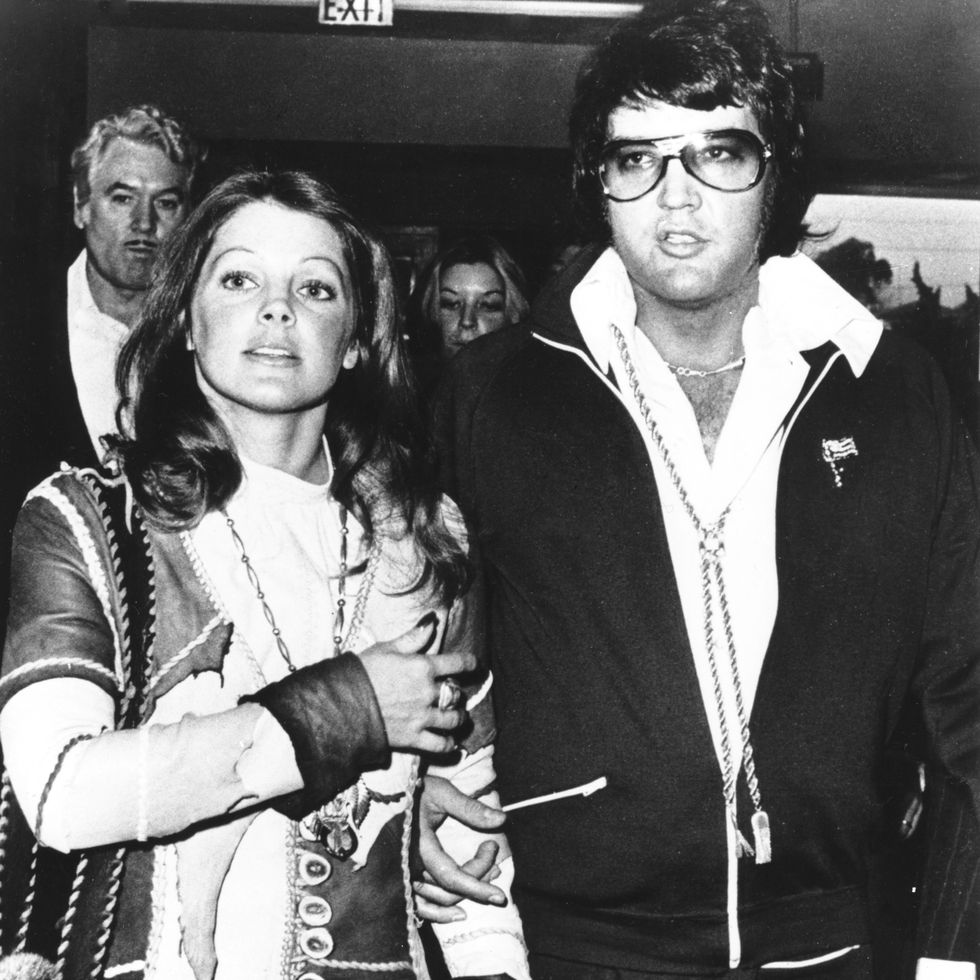
Years later, the wisdom of her decision became even clearer. “I Will Always Love You” survived far beyond its original 1970s context, returning to prominence repeatedly and ultimately becoming one of the most recognizable compositions in modern popular music. Dolly’s ownership allowed her to benefit not only financially but also symbolically from the song’s extraordinary second, third, and even fourth lives. What she protected was not merely a royalty check. She protected a piece of her identity.
There is also an important lesson here about Elvis Presley himself. The familiar headline version of the story can sometimes make it sound as though Dolly directly rejected Elvis or that an angry confrontation followed. The more meaningful story is less sensational and more human. The obstacle was fundamentally a publishing arrangement associated with Elvis’s management structure. Dolly could admire the singer while refusing the terms surrounding the recording, and those two positions were never contradictory.
That is why the story remains compelling more than half a century later. It asks a question that musicians, writers, entrepreneurs, and ordinary working people still confront: How much of your future should you surrender for a great opportunity today? Dolly’s answer was unusually clear. Recognition mattered, but ownership mattered too. Applause could disappear. Fame could change. A properly protected song, however, could continue speaking long after the original moment had passed.
In hindsight, Dolly Parton’s decision to protect “I Will Always Love You” looks almost inevitable because we know what happened afterward. But courage is rarely obvious when the choice must actually be made. At the time, she could not know precisely how valuable the composition would become or how many generations would eventually embrace it. She simply knew that she had written something meaningful and believed she should not surrender half of it merely to gain access to a famous voice.
Perhaps that is the real reason the story still resonates. It is not ultimately about Dolly defeating Elvis, nor about one legend refusing another. It is about two enormous names in American music becoming connected by a recording that never existed, and about one songwriter possessing enough confidence to protect what she had created. Elvis never released his version of “I Will Always Love You,” yet his almost-recording became part of the song’s mythology.
Video