Introduction
When Andy Gibb and Victoria Principal Sang “All I Have to Do Is Dream,” America Saw More Than a Duet
In 1981, Andy Gibb and Victoria Principal recorded “All I Have to Do Is Dream,” a song American listeners already knew by heart. Andy brought the gentle, assured voice that had made him a pop star. Victoria, celebrated for her role on Dallas, stepped into a recording studio far from the work that had made her famous. When the two later appeared together on Solid Gold, their performance offered a glimpse of something audiences found hard to resist: two familiar people singing an old promise as though they had only just discovered it. The single and its televised performance are part of the historical record; what viewers felt while watching belongs to memory.
The choice of song was central to its appeal. First made famous by the Everly Brothers, “All I Have to Do Is Dream” belongs to an earlier era of popular music, when a direct melody and a close harmony could express a great deal without raising their voices. Its words leave room for longing and hope, while its unhurried pace asks the listener to stay with a feeling. By 1981, many Americans had lived with the song for more than two decades. Hearing Andy and Victoria sing it meant hearing an old favorite through the sound and image of their own time.
Andy understood how to make such a recording feel intimate. He had the instincts of a successful pop singer, but his voice could also turn soft and conversational. On this duet, that quality matters more than vocal display. He gives the melody a steady center, allowing the familiar phrases to unfold naturally. The performance invites the listener closer, as though the song were being shared across a small room instead of presented to a television audience.
Victoria’s part gives the recording its particular character. She was known primarily as an actress, and she did not try to turn the duet into a contest of voices. In a contemporary interview, Andy said she had been nervous, so he chose a simple song for her. That detail lends the recording a touching human scale. Singing beside an established recording star would have been an unfamiliar undertaking, even for someone accustomed to the cameras of a hit television series. The simplicity of the song gave both performers space to listen and respond.
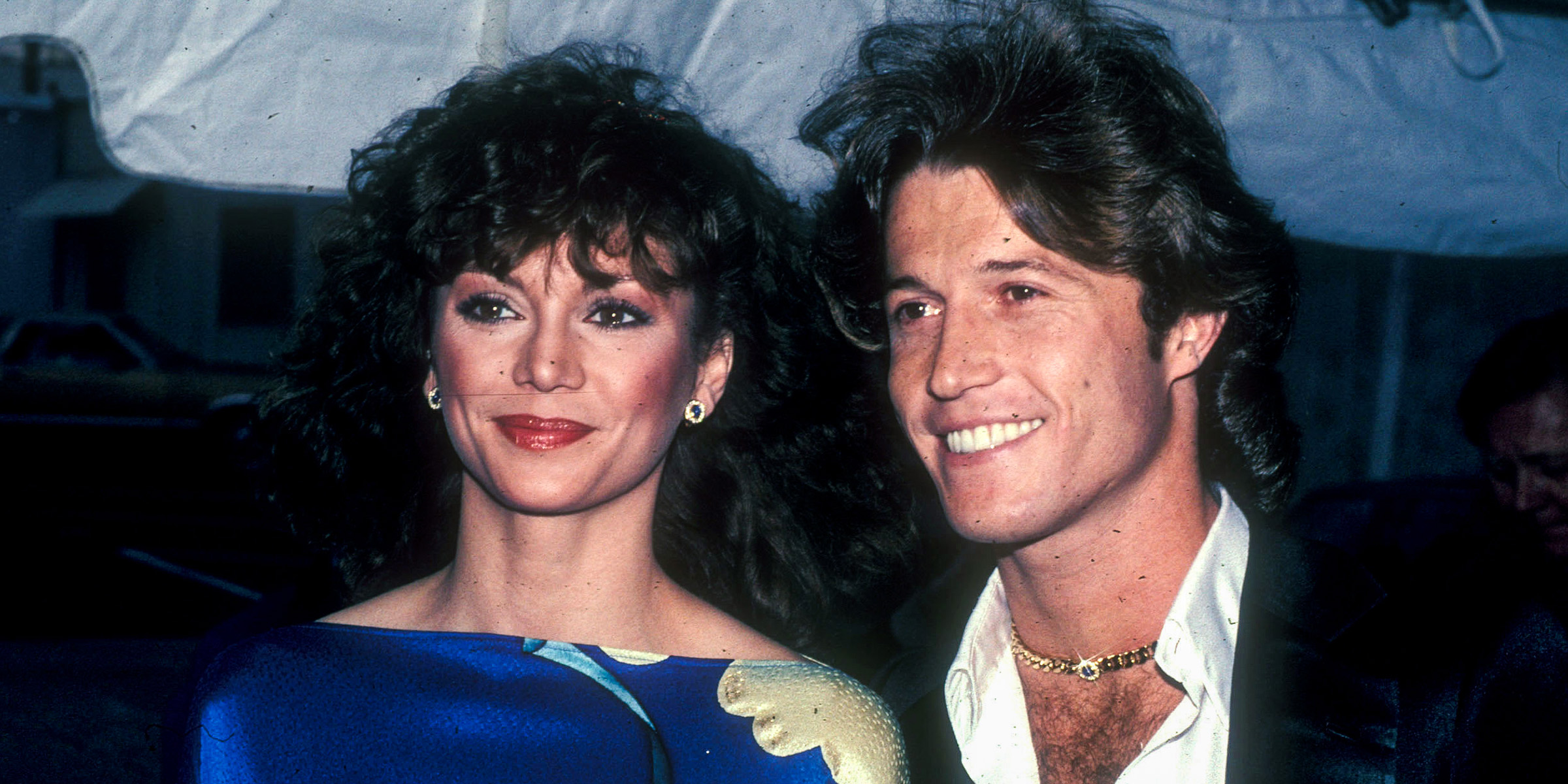
Their fame brought another layer to the performance. Viewers knew Andy through his records and Victoria through Dallas, and the pair’s relationship was widely visible at the time. As they sang together, audiences could scarcely avoid reading something of that relationship into the music. Yet the duet remains interesting even without asking it to reveal their private lives. A public performance can show warmth and ease while telling us very little about what happens away from the stage. Its lasting value lies in what the two conveyed within the song.
For older listeners, that distinction may make the performance more moving today. Youth is often remembered in bright, confident images, especially when television has preserved it so vividly. But an old recording also reminds us how uncertain any moment can be while we are living through it. Andy and Victoria could sing about a dream in 1981 without knowing how viewers would remember the performance decades later. We can watch it now with knowledge they did not have, and still appreciate the openness they brought to those few minutes.
The duet is also a small piece of the story of American popular music. Songs do not belong to one generation forever. The Everly Brothers gave “All I Have to Do Is Dream” its enduring place in the culture; Andy and Victoria carried it to an audience that knew television, celebrity, and pop romance in a different way. Their version did not need to replace the original. It showed how a beloved song could take on a fresh emotional color when sung by people whose lives audiences felt they knew. A contemporary music publication described their record as a delicate duet, an apt phrase for its restrained appeal.
Perhaps that is why the Solid Gold appearance remains memorable. The scene is easy to describe: two performers, a familiar melody, a televised stage. Its effect is harder to pin down. Andy’s gentle phrasing and Victoria’s quieter presence made the song feel personal, while the audience brought its own memories to every line. Some heard the optimism of a young couple. Others heard the Everly Brothers again, or remembered whom they had loved when the song was new.