Introduction
THE NIGHT THE HARMONY BROKE: Maurice Gibb’s Final Hours and the Silence That Changed the Bee Gees Forever
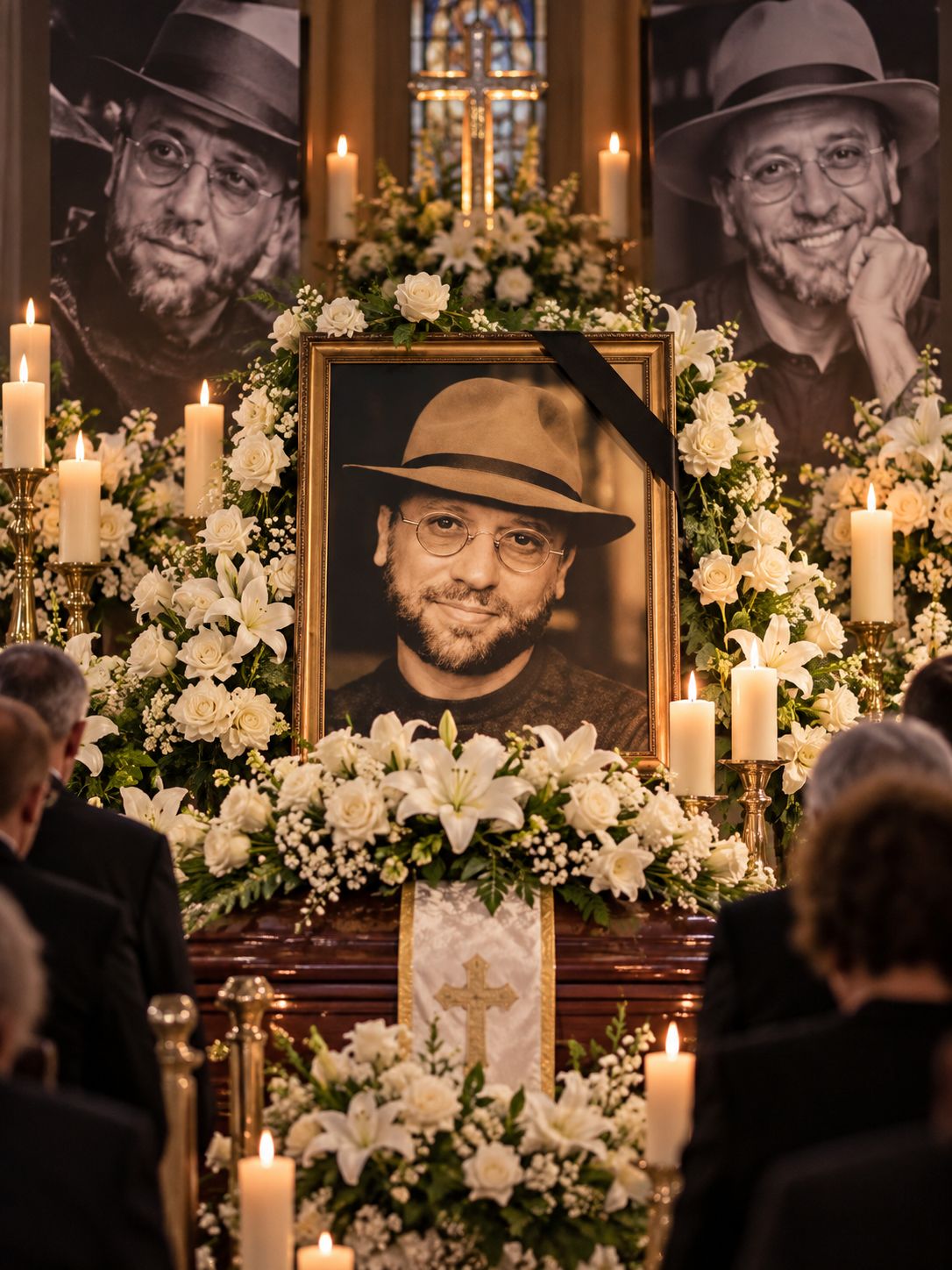
For decades, the Bee Gees seemed almost impossible to separate. Their music was built on the rare chemistry of three brothers whose voices could move independently and still somehow arrive at the same emotional destination. To millions of listeners, Barry Gibb, Robin Gibb, and Maurice Gibb were not simply members of a successful group. They were a family sound, a musical language shaped by shared childhood, ambition, rivalry, loyalty, and the kind of instinctive understanding that can only come from a lifetime spent side by side. Their harmonies were polished enough for the world stage, yet beneath that perfection was something deeply personal. They had grown up together. They had struggled together. They had survived changing fashions, public criticism, extraordinary fame, and private disappointments. And through it all, they continued to sing.
At the center of that complicated brotherhood stood Maurice Gibb, the man who was often less visibly dramatic than either Barry or Robin but who played a role far greater than many casual listeners understood. Maurice was not merely the third voice in the Bee Gees. He was a musician of remarkable versatility, someone who could move from bass to keyboards, guitar, arrangement, and harmony with an ease that helped give the group its distinctive musical depth. His contribution was often found in the spaces between the obvious moments. He could strengthen a chorus without demanding attention, shape an arrangement without stepping into the spotlight, and bring musical balance to a group filled with enormous personalities and creative intensity.
Those who followed the Bee Gees closely often understood that Maurice was the bridge between his brothers. Barry and Robin could be forceful, emotional, and fiercely committed to their musical ideas. Maurice, by contrast, was frequently described as the one who could soften tension with humor, redirect an argument, or remind everyone that beyond the charts and record deals, they were still brothers. That quality mattered more than any single instrumental credit. In a family band, harmony is never only musical. It must also exist in conversation, patience, compromise, and forgiveness. Maurice appeared to understand that better than most.
Then came January 2003, and the story changed with breathtaking speed.

Maurice was only 53 years old when he was hospitalized after suffering severe abdominal pain linked to an intestinal blockage. For fans around the world, the news seemed serious but not final. There was still an expectation that he would recover, that treatment and surgery would solve the immediate crisis, and that the Bee Gees would eventually return to the work that had defined so much of their lives. The idea of the group continuing without Maurice seemed almost too distant to consider.
But events moved quickly.
After surgery, Maurice suffered serious complications. On January 12, 2003, he died. The news carried a particular kind of shock because it did not arrive after a long public farewell. There had been no extended final tour, no carefully prepared goodbye, no long period in which fans were allowed to emotionally prepare themselves for the end. One moment, the Bee Gees were still understood as three brothers. Then suddenly, they were not.