Introduction

“THE ROOM WENT SILENT” — Why That Riley Keough “Grammys for Elvis” Story Keeps Going Viral (and What It Really Tells Us)
A certain kind of story travels fast in American culture: a family member steps into the spotlight, says very little, and somehow makes everyone remember what mattered. That’s why the posts keep resurfacing—year after year—claiming Riley Keough walked onto the Grammys stage, sang one devastating song for Elvis, and left the room in tears.
It reads like a perfect modern myth: the granddaughter, the legend, the hush, the single spotlight, the “you can almost feel him here” finale.
There’s only one problem.
Those viral write-ups are not supported by official Grammys coverage—and the details they repeat (including a “newly discovered” Elvis ballad and a surprise Grammy moment) appear to come from social-media storytelling loops rather than verifiable reporting.
So why does it keep spreading anyway?
Because emotionally, it feels true—not as a news event, but as a reflection of something millions of people still carry: the sense that Elvis wasn’t just a star, he was an era. A voice that sat in the background of real life—Sunday drives, first apartments, military service, weddings, long nights when the radio felt like company.
The “Grammys moment” that never stops happening—in people’s minds
Older listeners know what it’s like to lose a time period. When the world changes fast, you don’t just miss the artist—you miss who you were when that music played. Elvis sits in that category of American figures who became bigger than entertainment: a cultural turning point, a symbol of electricity entering the everyday.
So when the internet offers a scene where the family “brings him back” for one aching song, it presses every button at once: legacy, bloodline, grief, reverence, closure.
It’s not reporting—it’s wish fulfillment dressed like a headline.
Riley Keough’s real story is quieter—and, in its own way, heavier
If you want the truth, it’s more complicated than a viral script.
Riley Keough has spoken publicly about the emotional weight and “family trauma” tied to seeing Elvis reinterpreted on screen, and why she didn’t want to be part of the biopic world herself. That’s not a grand stage moment—that’s a boundary. And for many families living in the shadow of a myth, boundaries are the most honest form of love.
She’s also shown genuine musical presence in her own career—most visibly through Daisy Jones & The Six—and has represented the Presley legacy in real-world appearances, including hosting an NBC holiday special connected to Graceland.
That’s the thing: the truth isn’t “nothing happened.”
The truth is that the Presley story continues—just not in the exact cinematic way the viral posts keep selling.
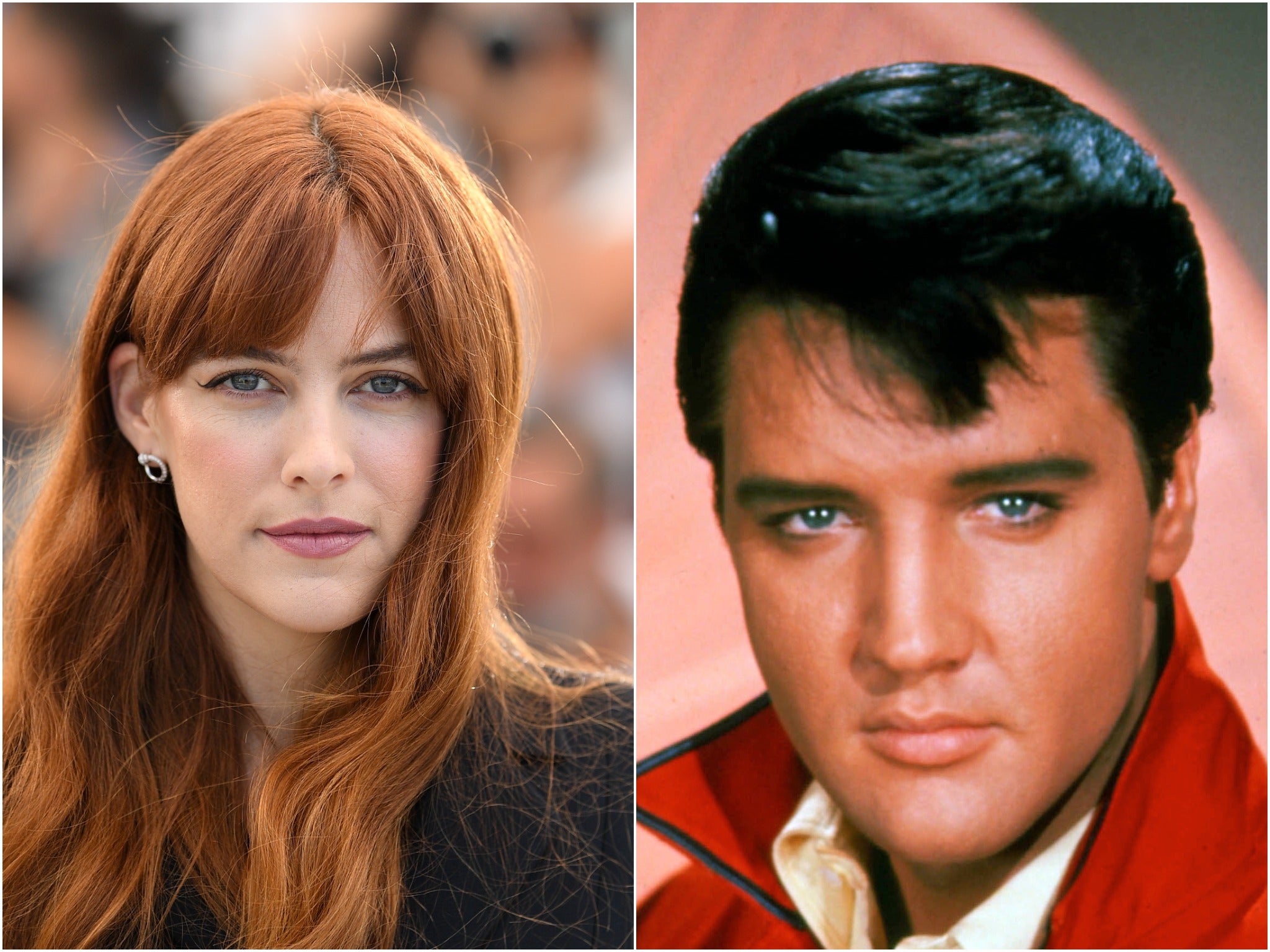
What we’re really hearing in that imagined silence
Whether or not a Grammy arena ever went quiet for Riley, the emotion people describe is real: the hunger for a moment where America pauses and admits what it loved. The desire to see a family member translate a legend back into something human—grandfather, not headline.
And maybe that’s why the story persists.
Because deep down, the internet isn’t just trying to “report” a performance. It’s trying to stage a reckoning:
A reminder that behind every icon is a bloodline that still feels the echo.
Behind every timeless song is a private cost.
And behind the word legend is a real family—still carrying what the world turned into history.
If you’re writing for readers who remember Elvis the first time around, that’s the angle that lands hardest:
Not “Did it happen?”
But “Why do we need it to have happened?”