Introduction
ELVIS & BOB JOYCE — The Full Story Behind the Rumor, the Questions, and the Reality Few Discuss Clearly
Few names in American culture still carry the emotional power of Elvis Presley. For millions who grew up with his voice playing through radios, record players, and family living rooms, Elvis was never merely a singer. He was a moment in time, a symbol of youth, heartbreak, and memory itself. That is why, nearly five decades after his passing, theories about whether he somehow survived continue to stir deep feelings.
Among the most persistent of these modern rumors is the claim that Pastor Bob Joyce is, in fact, Elvis Presley living under another identity.
It is a theory that has spread widely online, fueled by side-by-side photos, voice comparisons, and a longing that many longtime admirers quietly understand.
But what is the truth?
The answer lies not in internet speculation, but in the contrast between emotional desire and historical fact.
Elvis Presley died on August 16, 1977. His death was documented by medical professionals, legal authorities, and the State of Tennessee. His body was found at Graceland, transported to the hospital, and officially recorded through both a death certificate and autopsy report. These records remain part of the public historical record.
That should have ended the story.
Yet for many Americans, it never truly did.
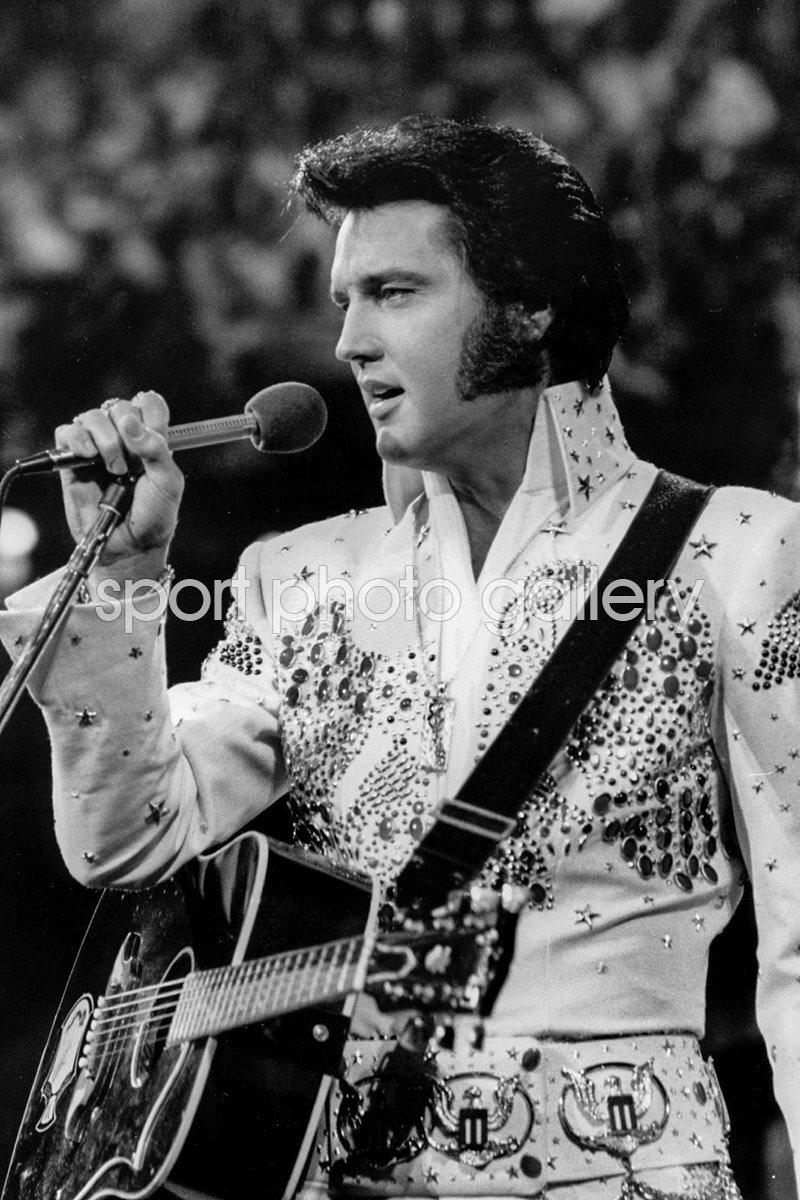
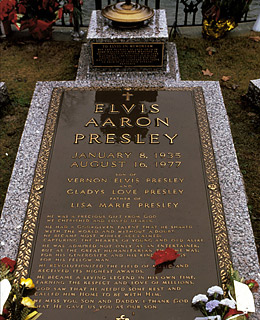
Almost immediately after his death, “Elvis sightings” began appearing across the country. Reports surfaced from airports, diners, roadside stops, and small towns. Over time, these stories became less about evidence and more about mythology.
Historians of pop culture now describe these claims as part of one of America’s most famous celebrity conspiracy theories.
This is where Pastor Bob Joyce enters the story.
Years later, videos of Bob Joyce—an Arkansas pastor known for his gospel singing and sermons—began circulating online. For some viewers, the resemblance was impossible to ignore. His facial structure, white hair, vocal timbre, and certain singing phrases reminded them of Elvis’s later years.
For longtime fans who know every pause, every vibrato, every emotional break in Elvis’s voice, the similarities felt uncanny.
The internet did the rest.
Forums, YouTube videos, and social media pages amplified the comparisons. Side-by-side images appeared everywhere. Audio clips were slowed down, compared, and analyzed.
To some, it felt like proof.
To others, it was simply coincidence.
What matters most, however, is this: there is no verified evidence linking Bob Joyce to Elvis Presley.
Bob Joyce himself has publicly denied being Elvis. Multiple fact-checks and reporting sources have addressed the rumor directly and reached the same conclusion: this is an unsupported conspiracy theory.
That clarity is important.
What keeps this theory alive is not documentation.
It is longing.
For older readers especially, that emotional truth may be easier to understand than younger audiences realize. Elvis was woven into first dances, military homecomings, road trips, weddings, and quiet nights after loss. His voice accompanied entire generations through life’s defining moments.
When someone like Bob Joyce appears with a similar sound and presence, it is almost natural for hope to begin writing its own story.
This is how conspiracy theories often grow.
They begin with a question.
They gather fragments that seem meaningful.
They repeat until repetition itself begins to resemble truth.
In the Elvis–Bob Joyce theory, supporters often point to things like body language, vocal resonance, or anecdotal claims about similarities in appearance.
But resemblance is not identity.
Human voices can share qualities.
Faces can age into familiar patterns.
Memory can make coincidence feel profound.
For scholars of cultural folklore, this rumor says less about hidden identities and more about collective grief.
The theory persists because people want part of Elvis to remain here.
In that sense, the rumor is less a deception than a form of devotion.
Even Priscilla Presley has addressed similar “Elvis is alive” theories directly, firmly stating that Elvis is not alive and dismissing the speculation as untrue.
That statement matters because it comes from someone who lived the reality behind the legend.
Still, the emotional pull of the rumor remains powerful.
For mature American readers who lived through Elvis’s era, this story often touches something deeper than curiosity. It touches memory itself.
It is easier, sometimes, to imagine that legends do not die.
But the enduring truth is that Elvis does not need mystery to remain immortal.
His voice still fills rooms.
His image still lives in American memory.
His songs still reach grandchildren who were born decades after 1977.
That is not survival in secret.
That is legacy.
And perhaps that is the real heart of the Bob Joyce story.
It reveals not a hidden Elvis, but the extraordinary way America continues to hold onto him.
The facts remain clear: Elvis Presley died in 1977, and there is no verified evidence connecting Pastor Bob Joyce to his identity.
But the legend continues—because some voices never truly leave the room.
If you’d like, I can help write a short, highly clickable intro paragraph (under 100 words) for American readers 60+ to place above this article and video.
