Introduction
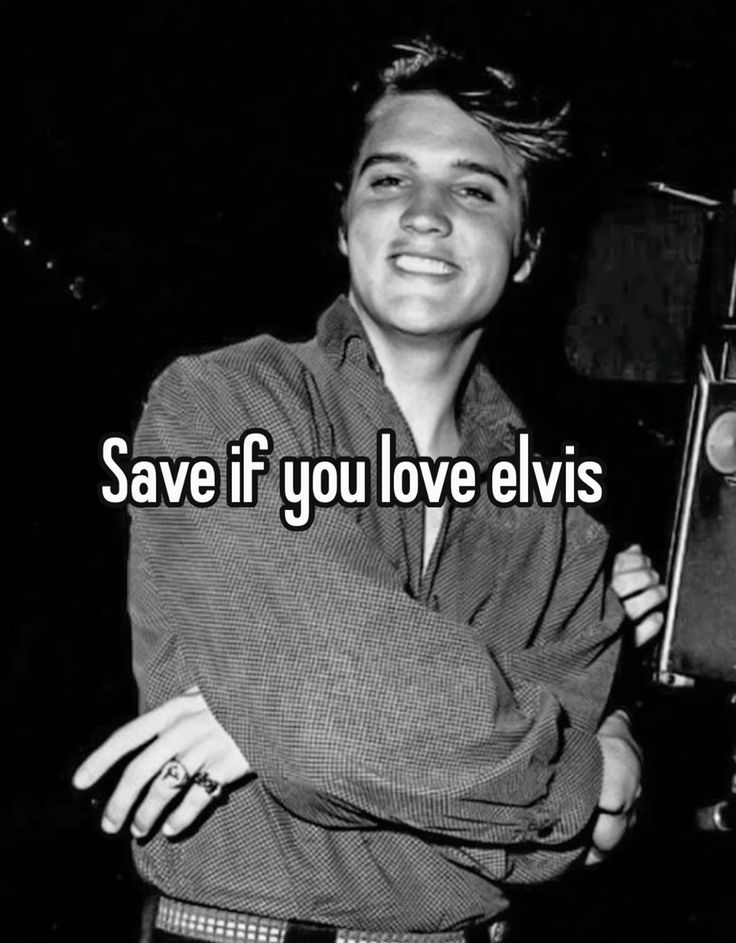
Elvis Presley – the enduring vitality of the “King” of Rock ’n’ Roll
In August 1977, singer and musician Elvis Presley was found dead at his home in the United States at the age of 42. More than a decade later, in 1992, the U.S. Postal Service selected Elvis Presley’s image for a commemorative postage stamp. The portrait shows him at around twenty years old—charismatic, energetic, and representing the ideal vision of the King of Rock ’n’ Roll. To this day, that stamp remains one of the most popular and widely collected of all time. Every year on January 8, fans across the globe gather to celebrate his birthday and honor the memory of America’s greatest Rock ’n’ Roll icon.

One of the most recognizable images of Elvis Presley is his captivating dance style from the 1950s.
An Ideal Elvis
What gives Elvis Presley his timeless appeal is, above all, his extraordinary performance ability. John Covach, Director of the Institute for Popular Music at the University of Rochester, once told The Huffington Post: “His outstanding performance style and his classic recordings, made right at the beginning of his career, placed Elvis Presley at the very heart of early Rock ’n’ Roll. When you listen to and watch his recordings from the 1950s, when he was just in his twenties, you see a singer with a remarkable voice, a wide vocal range, and complete mastery of movement on stage.”
More than half a century ago, Elvis entered the music scene with a sense of youthful innocence, guided by his manager Tom Parker. On stage, the slightly slender young man, with a face capable of captivating any audience, revealed a rebellious artistic spirit through a natural, one-of-a-kind style. His presence felt both spontaneous and powerful, marking a clear break from previous generations of performers.
Beyond his magnetic stage technique, Elvis also had a keen instinct for selecting songs that suited his voice and movement. Before his debut single Heartbreak Hotel was released in 1956, he argued intensely with RCA Records to allow the song to be issued. The label believed the track was too unusual to succeed, but Elvis trusted his own judgment. He was right: Heartbreak Hotel became one of the best-selling singles of the year, selling over a million copies and later earning its place as a classic—not only in his career, but in the history of American music.
The Elvis Presley of the late 1950s is often described as the “ideal Elvis.” Rock ’n’ Roll during this period played a crucial role in elevating him to one of the most influential artists of the twentieth century. The image of a twenty-year-old Elvis with an athletic build became iconic—immortalized on North American postage stamps and remembered most vividly by fans today.

Elvis Presley and actress Ann-Margret in the film Viva Las Vegas.
The King of Rock ’n’ Roll on Film
After conquering the music world, Elvis Presley moved into cinema. Over the next decade, alongside his singing career, he appeared in nearly thirty films, including Love Me Tender (1956), G.I. Blues (1960), Wild in the Country, Live a Little, Love a Little, The Trouble with Girls, and Blue Hawaii. Although he played a wide range of roles—from carefree playboys to innocent young men and American cowboys—his acting was never highly praised by critics.
Even Elvis himself often felt trapped in lightly written roles that gave him little opportunity to demonstrate the artistic depth he believed he could achieve. Nevertheless, for many fans, these films offered a wonderful chance to enjoy his captivating screen presence.
After ending his film contracts, Elvis was eager to return to the energetic and daring image of his early career. In 1968, on the American television music program Comeback Special, he reclaimed the performance power that had first made him famous. Dressed in black leather, with a tanned and athletic figure, Elvis reconnected audiences with the emotion and excitement of his beginnings. His return to music came at a time when The Beatles were releasing The White Album and The Rolling Stones were launching Beggars Banquet.
From the summer of 1969 onward, Elvis began a long series of performances in Las Vegas, a period often referred to as the “classic Elvis” era. Wearing jewel-studded jumpsuits and performing dramatic, karate-inspired movements, he created an image that dominated the 1970s and influenced countless imitators. While some fans viewed this phase as a decline from his earlier rebellious spirit, others recognized its iconic power. As music scholar John Covach observed, “Whether loved or criticized, the image of Elvis at the end of his career is no less symbolic than that of his early years.”
In his final years, Elvis Presley faced deep personal struggles. His dependence on medication led to serious health issues, and his physical appearance changed noticeably. Yet he continued to perform with dedication, as if music itself were the essence of his life.

Elvis Presley remains one of the defining cultural symbols of the twentieth century. After his death, he became a legend whose image appears on clothing, television, and everyday objects. In the twenty-first century, fans continue to honor Elvis in many ways—by voting for his greatest songs and albums online, visiting places where he once performed, or even celebrating with grand parties in the spirit of a true King.