Introduction
Rod Stewart Stopped Chasing the Charts — And Finally Started Telling the Truth About Growing Older
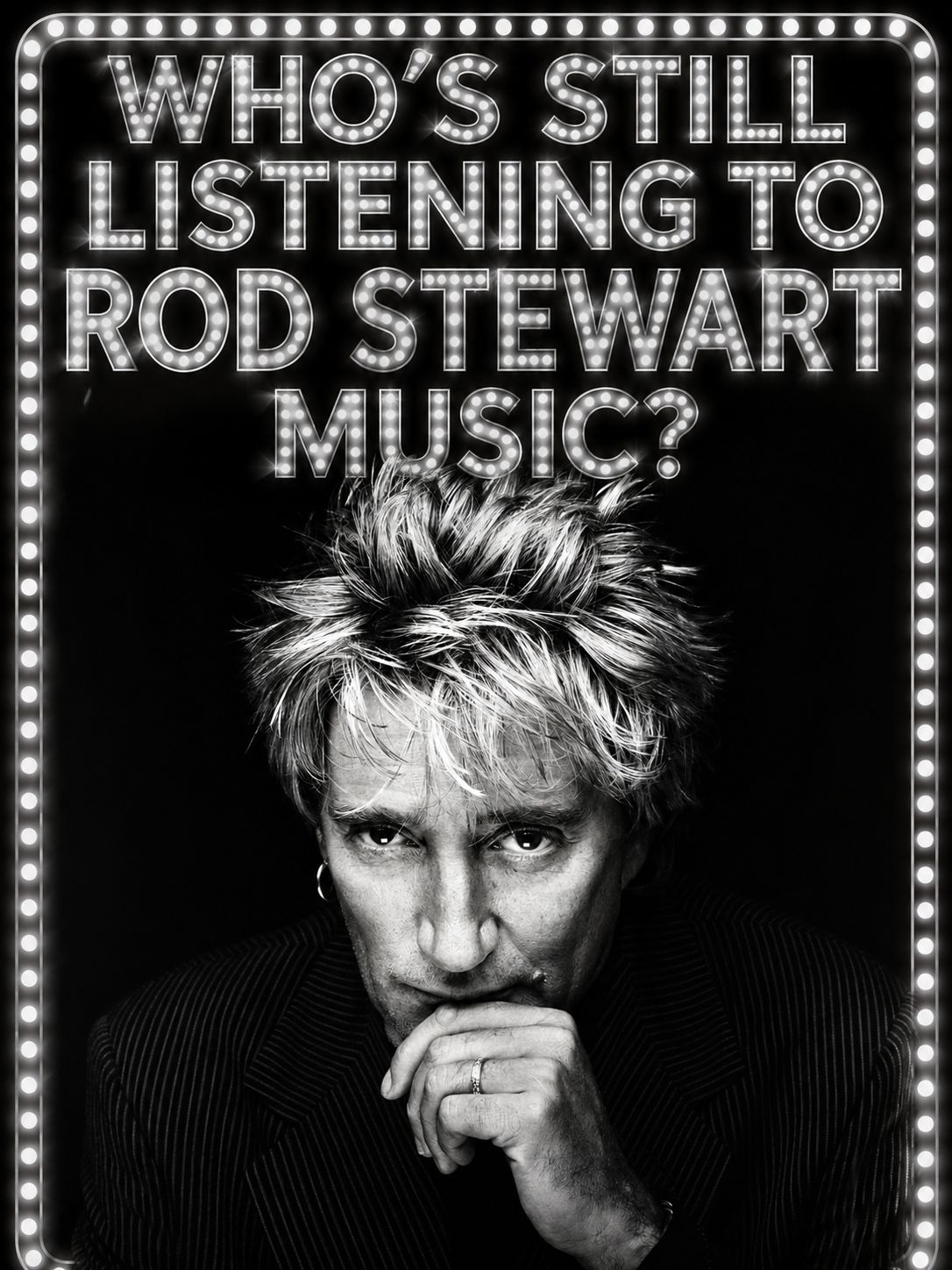
There comes a point in a great artist’s life when success no longer needs to be proven by numbers. For Rod Stewart, that point seems to have arrived with Blood Red Roses, his 30th studio album and one of the most revealing chapters in his long musical journey. After decades of arena anthems, swaggering rock classics, romantic ballads, and global fame, Stewart made something clear: he was no longer trying to compete with the newest names on the charts. He was writing for himself, for memory, and for the loyal listeners who had grown older alongside him.
That honesty gives Blood Red Roses its quiet power. At 73, Rod Stewart understood exactly what he did not want to do. He did not want to recreate the younger man who once sang “Stay With Me,” “Hot Legs,” or “Tonight’s the Night.” Instead, he wanted to make an album that felt age-appropriate — not weaker, not safer, but truer to the man he had become. That distinction matters. Aging in music is often treated as a problem to hide, but Stewart approached it as a source of artistic clarity.
For older listeners, this is precisely what makes the album meaningful. Rod Stewart was not pretending time had stood still. He was acknowledging that a life fully lived changes the voice, the subject matter, the emotional weight, and even the purpose of making music. The young singer may chase excitement, conquest, and applause. The older artist often looks backward with sharper eyes, forward with more humility, and inward with greater courage.

The creative path that led to Blood Red Roses began after a long period in which Stewart stepped away from writing original material. For years, he focused on the Great American Songbook and other cover projects, singing beloved standards rather than composing his own stories. But something shifted after his memoir, Rod: The Autobiography, reminded him of the richness, pain, humor, mistakes, friendships, and emotional turning points still waiting to be shaped into songs.
That rediscovery of songwriting became part of a late-career renaissance that began with Time in 2013 and continued with Another Country in 2015. By the time Blood Red Roses arrived in 2018, Stewart had found a new working rhythm. Modern recording technology allowed him to write and record in hotel rooms while touring, often with his longtime collaborator and keyboardist Kevin Savigar. Gone were the days of being trapped for months inside dark studios, chasing perfect drum sounds and losing daylight. The process became looser, freer, and more personal.
That freedom can be heard in the album’s emotional range. The single “Didn’t I” began almost casually, with Stewart singing phrases over a track until a story emerged. What took shape was a painful father-daughter narrative about addiction, regret, and helpless love. It was not written as a calculated message song. It arrived through instinct, much like “Maggie May” decades earlier. That connection is important because it shows that Stewart’s songwriting gift had not disappeared. It had simply matured.
Another deeply personal moment arrives in “Farewell,” a song dedicated to an old friend who had known Stewart across decades — before the fame, through the rise, and into later life. For an artist whose public image has often been tied to charm, humor, and confidence, this kind of song reveals a softer truth. Friendship, memory, loss, and gratitude become more important with age. The people who knew us before success carry a kind of witness that fame can never replace.

Then there is “Cold Old London,” a reflection on a darker and less settled period of Stewart’s life before his marriage to Rachel Hunter in 1990. Rather than romanticizing the past, Stewart looks back with the honesty of someone who understands that not every youthful chapter deserves celebration. That willingness to revisit former mistakes without hiding behind glamour gives the album much of its emotional credibility.
Perhaps the most striking thing about Blood Red Roses is Stewart’s attitude toward success. When he said he was not bothered if the album did not sell 10 million copies, he was not speaking from defeat. He was speaking from perspective. He had already sold millions. He had already stood on the biggest stages. He had already earned his place. Now, he said, he was making albums for himself and a few friends.
That statement may be one of the most liberating things an older artist can say. It removes the burden of proving and replaces it with the privilege of telling the truth. For lifelong fans, that truth may be far more valuable than chart domination. They do not need Stewart to sound like a young man again. They want him to sound like someone who has lived, survived, remembered, regretted, laughed, loved, and kept singing.
In the end, Rod Stewart’s Blood Red Roses is not simply another late-career album. It is a portrait of an artist choosing honesty over nostalgia. It shows that growing older does not have to mean fading creatively. Sometimes it means finally having the courage to write the songs only age can make possible.