Introduction
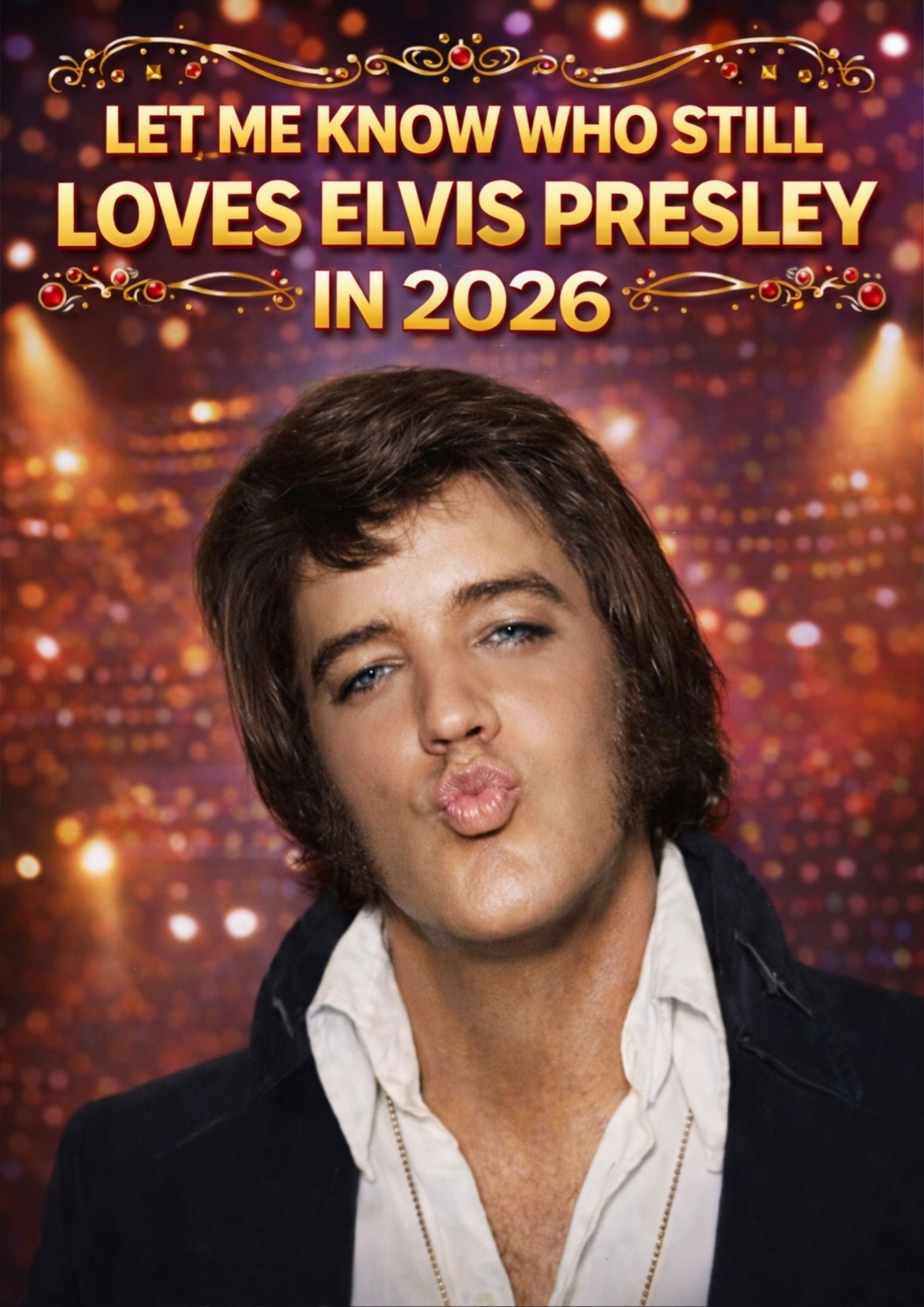
The Final Song in Indianapolis: The Night Elvis Presley Took the Stage One Last Time

On the warm summer evening of June 26, 1977, nearly eighteen thousand fans filled the seats of Market Square Arena, waiting for a man whose music had already shaped the lives of millions. For them, the anticipation felt familiar. They had come to hear the voice that had carried them through love stories, heartbreaks, road trips, and memories stretching back to the golden age of rock and roll.
When the lights dimmed and the dramatic opening music thundered through the arena, the crowd erupted. Moments later, the unmistakable silhouette of Elvis Presley appeared, dressed in the iconic white jumpsuit that had become a symbol of his larger-than-life presence.
To the audience, it looked like another unforgettable Elvis show.
But history would later remember it differently.
A Night That Felt Like Every Other — And Yet Was Not
For fans in the arena, there was nothing unusual about the beginning of the performance. Elvis stepped into the spotlight with the familiar mixture of confidence and charm that had made him a legend.
The band struck the opening notes of C. C. Rider, a staple of his concerts during the 1970s. The rhythm rolled across the arena, and Elvis leaned into the microphone as thousands of voices cheered.
From the outside, it appeared to be another chapter in a career that had already changed the course of popular music.
But those who stood closest to him—members of the band, longtime friends, and those who traveled with him—could sense the toll the road had taken.
Touring had been relentless. The schedule was demanding, and the strain on his body had grown heavier with each passing month. Yet Elvis carried on with the same determination that had driven him since the earliest days of his career.
For him, the audience always came first.
Songs That Carried New Weight

As the concert continued, Elvis moved through a setlist that many fans had come to love over the years. But on that night, something about the songs felt different.
When he sang Hurt, the emotion in his voice seemed deeper than ever. The powerful notes that soared through the arena were not just technically impressive—they carried a raw sincerity that made listeners hold their breath.
Then came You Gave Me a Mountain, another song known for its emotional intensity. As Elvis delivered the lyrics, the performance felt less like entertainment and more like confession.
The voice that once shook the world with youthful rebellion had matured into something else—something heavier, more reflective, touched by the passage of time.
For many in the crowd, it was unforgettable.
A Moment of Gratitude
Between songs, Elvis paused in a way that revealed the man behind the legend.
He took a moment to thank the musicians who had stood beside him night after night. The band members who shared the stage with him were not just colleagues—they were companions on a journey that had taken them across countless cities and stages.
He also acknowledged his father, Vernon Presley, who was watching the show from the audience.
It was a simple gesture, but it carried emotional weight.
Behind the crown of fame and the title “King of Rock and Roll,” Elvis remained deeply connected to the people who had supported him throughout his life.
Moments like that reminded everyone in the arena that they were not simply watching a superstar.
They were witnessing a human being.
The Final Song
As the evening moved toward its close, the atmosphere in the arena shifted once again.
The familiar opening chords of Can’t Help Falling in Love filled the room.
For years, this timeless ballad had served as the closing song for Elvis concerts. Fans knew what it meant. When those notes began, the night was drawing to an end.
Thousands of voices joined him as he sang the words that had echoed through generations of love stories.
Wise men say only fools rush in…
It was a moment suspended in time—one where music, memory, and emotion blended into something almost sacred.
As the final notes faded, Elvis gave a quiet farewell to the audience. Then he turned and walked off the stage.
A Farewell No One Could Have Predicted
Inside Market Square Arena that night, no one realized what they had just witnessed.
To the crowd, it had been another Elvis concert—another evening of music, applause, and memories. They left the arena smiling, talking about the songs they had heard and the moments they had shared.
But history would soon reveal a deeper truth.
Just six weeks later, on August 16, 1977, Elvis Presley would pass away at the age of 42.
The concert in Indianapolis had been the final live performance of one of the most influential artists the world had ever known.
More Than a Concert
Looking back now, the night of June 26, 1977 carries a quiet significance that no one could have recognized at the time.
It was not the largest crowd Elvis had ever performed for.
It was not the most technically perfect show of his career.
But it captured something essential about who he was.
Even under immense pressure, even while carrying the weight of fame and exhaustion, Elvis Presley stepped onto that stage and sang for his audience.
He gave them the music they had come to hear.
And in doing so, he left behind one final image: a man standing under bright lights, holding a microphone, giving his voice to the people who had loved him for decades.
In the end, that night in Indianapolis became more than a concert.
It became a reminder of something timeless about Elvis Presley.
Until the very last chapter of his life, he remained exactly what he had always been—
A performer who never stopped singing for his fans.