Introduction
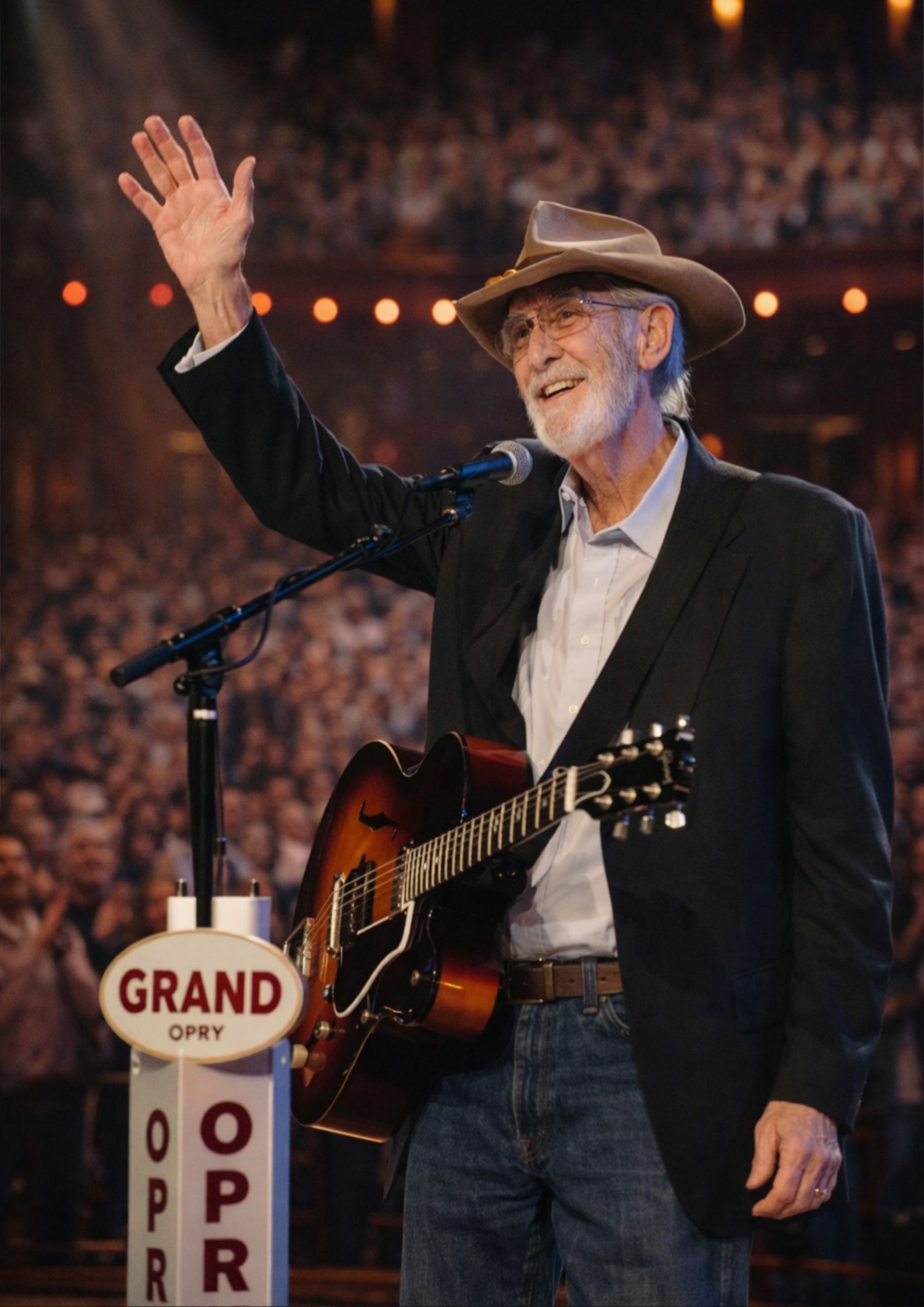
The Gentle Giant’s Last Goodbye: Don Williams, the Voice That Never Raised Itself—Yet Moved the World
There are singers who conquer a room with volume. And then there are the rare ones who do the opposite—who lower the temperature, soften the edges of the day, and somehow make you feel steadier just by showing up. Don Williams belonged to that second category. His voice didn’t demand attention. It invited trust. And for many older country fans—people who’ve lived through enough noise to treasure calm—Don Williams wasn’t simply an artist. He was a kind of refuge.
Born Donald Ray Williams on May 27, 1939, in Floydada, Texas, he grew up with the kind of working-life realism that later soaked into his music: grounded, unpretentious, and quietly resilient. After his parents divorced, his mother remarried, and the family story took turns that were neither glamorous nor unusual—just real. Don learned guitar as a boy, taught by his mother, and like so many musicians of his generation, he played whatever the moment called for: country, rockabilly, folk, rock and roll. It wasn’t a “brand.” It was a young man learning how music could carry a life.
After graduating from Gregory-Portland High School in 1958, he stepped into the professional world with the Paso Seco Singers, a pop group formed in the mid-1960s. They found chart success—most notably with “Time,” which climbed into the Top 50—and followed it with additional hits. It’s a detail that surprises some fans who only know Don as country royalty. But it also explains something important: he wasn’t boxed in early. He learned how to serve a song, not a category.
When the group disbanded in 1971, Don did what many sensible people might do—he pivoted toward songwriting in Nashville. In fact, he wasn’t even convinced he was built for a solo career. That humility would become one of his defining traits: a man with world-class impact who never sounded like he was trying to prove he deserved it. He signed with Jack Clement’s publishing company, and by 1972 he had begun recording as a solo artist. The early releases didn’t explode overnight. But then “The Shelter of Your Eyes” climbed the charts, and slowly—steadily—his path began to clear.
By 1974, Don Williams broke through in a way that would shape the rest of country music’s landscape. “We Should Be Together” pushed him into wider view, and then came the turning point: “I Wouldn’t Want to Live If You Didn’t Love Me” reached No. 1 that summer. From there, what followed wasn’t a brief moment of fame. It was a long, disciplined reign. Between 1974 and 1991, he placed an astonishing run of hits—46 charting singles, with only a handful missing the Top 10.
Yet here’s the part that makes his legacy even more meaningful: many of those hits weren’t his own compositions. Don Williams often recorded songs written by others—writers like John Prine, Bob McDill, Dave Loggins, and Waylon Holyfield—and made them feel as if they had always belonged to him. That isn’t just good taste. That’s artistry. It takes a certain kind of singer to enter a songwriter’s world, honor the architecture, and still leave your fingerprints all over it. Don didn’t overpower songs. He inhabited them. He turned great writing into lived experience.
By the late 1970s, he wasn’t just successful in America—he was one of the most successful country artists in the world, with major followings in England and across Europe. He won major honors, including the CMA Male Vocalist of the Year in 1978, the same year “Tulsa Time” was named Single of the Year. He even appeared in films, often connected to friends like Burt Reynolds. But the point is this: even when Don Williams expanded outward, he never lost his center.
That center was personal, too. He married Joy Bucher on April 10, 1960, and their long marriage—and the family life that followed—stood in quiet contrast to the chaos that fame often brings. They had two sons, Gary and Timmy, and Don carried himself like someone who understood that a good life is built privately, not performed publicly.
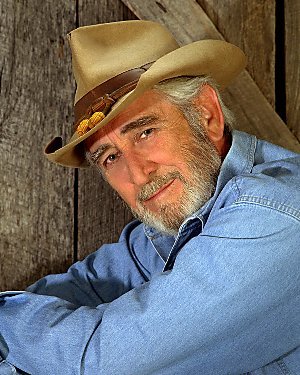
In the early 1980s, he slowed down as back problems caught up with him. Later, surgery helped, and he continued recording and touring across changing labels and changing eras. When the industry shifted, he didn’t chase trends. He remained Don Williams: steady, warm, and unmistakable. Even after periods of retirement and return—through albums like And So It Goes and Reflections—he maintained that same calm authority.
In March 2016, he announced he was retiring from touring and canceled scheduled shows. Then, on September 8, 2017, Don Williams died in Mobile, Alabama, due to emphysema. He was 78. He was cremated, and his ashes were scattered into the Gulf of Mexico—an ending that feels fitting for a man whose music moved like water: gentle, constant, and quietly powerful.
If you ask longtime fans why Don Williams mattered so much, they won’t only list awards or chart numbers. They’ll tell you what his voice did to a hard day. They’ll tell you how his songs felt like adulthood—like love without theatrics, heartbreak without bitterness, faith without performance. In a world that often confuses loudness with strength, Don Williams offered something rarer: a steady voice that never raised itself—yet somehow carried farther than most.
And that is why, years later, his music still feels like home.