Introduction
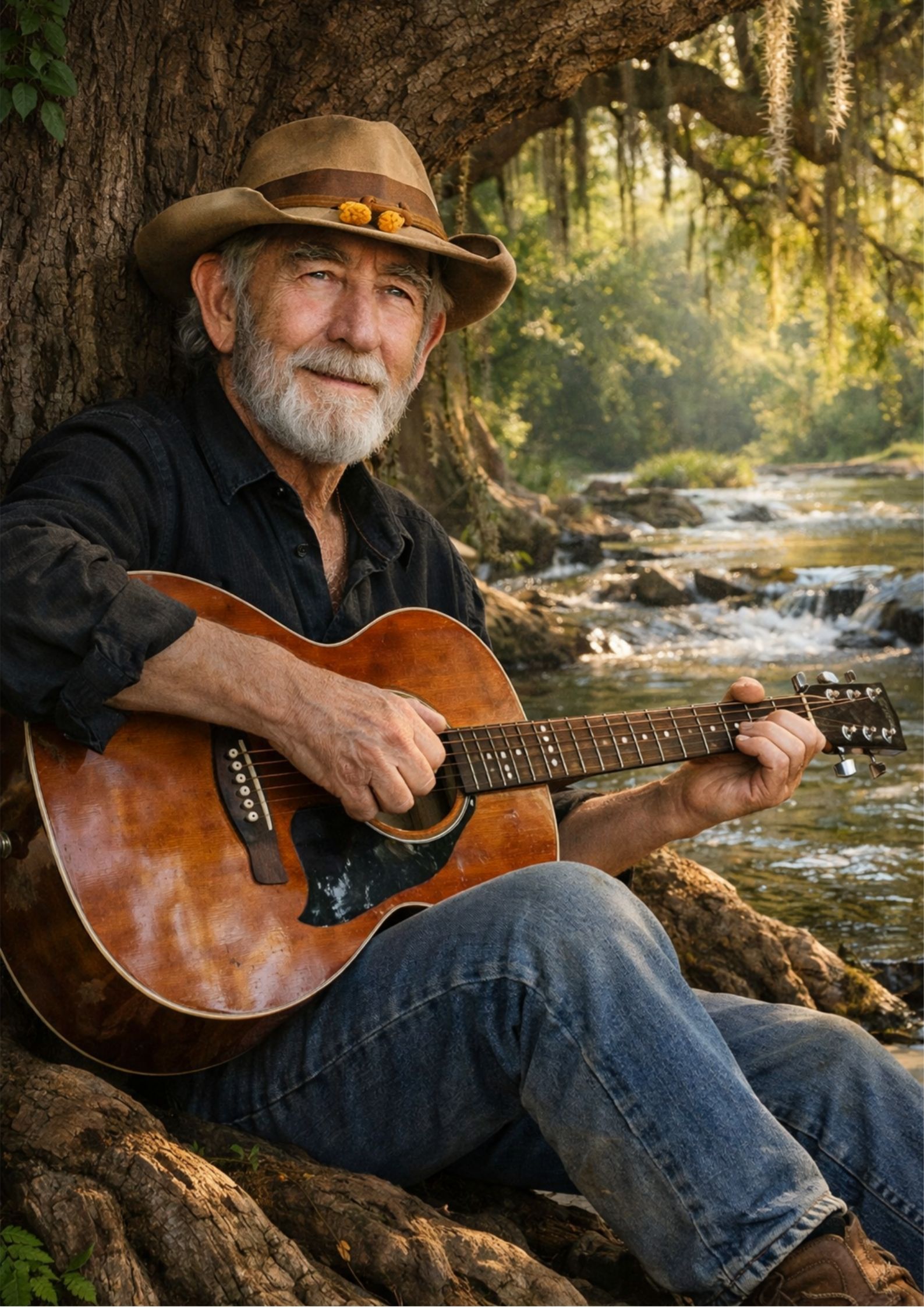
The Gentle Giant’s Quiet Exit: What Really Happened to Don Williams—And Why His Voice Still Feels Like Home
Some stars leave with fireworks. Others leave the way they lived—softly, almost politely, as if they don’t want to disturb anyone on the way out. That second kind of goodbye is the one that still confuses people. It’s why so many longtime country fans have asked, sometimes with genuine worry, sometimes with a lump in the throat: What really happened? Why did he disappear?
The honest answer is both simple and deeply human: Don Williams stepped away because peace mattered more to him than applause. The world called him the “Gentle Giant,” and the nickname wasn’t just about his tall frame—it was about the calm he carried into every room, every lyric, every note. His singing felt like a slow breeze through a screen door on a quiet afternoon: steady, reliable, unforced. That “unforced” quality is important. Even when he was filling venues, he never sounded like a man trying to conquer the world—he sounded like a man trying to tell the truth without raising his voice.
So when he first announced retirement in 2006, it didn’t feel like scandal or drama. It felt like him finally practicing what his songs had preached all along: slow down, go home, choose what lasts. That first farewell tour carried the hush of something final—and many believed it would be. But artistry has a gravity of its own. A few years later, he returned, and the return didn’t feel like a comeback stunt. It felt like an old friend coming back to the porch light because he missed the conversation.
By the early 2010s, he was still making records that sounded like real life—music built for kitchen-table listening, not for chasing trends. And then time did what time always does: it asks the body to pay for the miles the heart was willing to travel. In February 2016, Williams postponed a tour after an unexpected hip replacement surgery, and not long after, he chose to retire from the road for good. There’s a particular dignity in that decision—especially for older readers who know that wisdom often looks like knowing when to stop, not when to push.
His later years also included serious respiratory illness. Williams died on September 8, 2017, in Mobile, Alabama, with emphysema reported as the cause. For many fans, that news landed like the final line of a song you weren’t ready to end. Not because his legacy felt incomplete—but because his voice had become a kind of shelter. People didn’t just like Don Williams. They leaned on him.
Even the honors he earned carried the bittersweet stamp of real life. When he was inducted into the Country Music Hall of Fame in 2010, he missed the medallion ceremony due to bronchitis—yet other artists stood in for him with tributes, as if the room itself refused to be without his music. That detail says something profound: even absent, he had presence.
And then, years after his passing, something happened that shook fans in a different way—less grief, more disbelief. On November 1, 2025, an album titled God and the Horses appeared on major streaming platforms, presented as if it were new Don Williams material. It was quickly flagged by listeners and writers as fraudulent—described as AI-generated imitation uploaded under his name. If you’ve ever cared about an artist the way people care about Don Williams, you understand why this felt like a violation. Not just of copyright, but of trust—because his voice was never a costume to be worn by strangers.
This is the strange crossroads we’re living in now: technology can mimic tone, phrasing, even the surface texture of a voice, but it can’t recreate the quiet moral center that made Don Williams Don Williams. His music carried restraint. It carried decency. It carried that old-country idea that you don’t have to shout to be heard.
So maybe the better question isn’t “What the hell happened to Don Williams?” Maybe it’s: What happens to us when the world loses a voice that taught us how to breathe slower?
If his songs ever helped you through a hard season—what was the first one you reached for? And when you listen now, does his calm still find you the way it used to?