Introduction
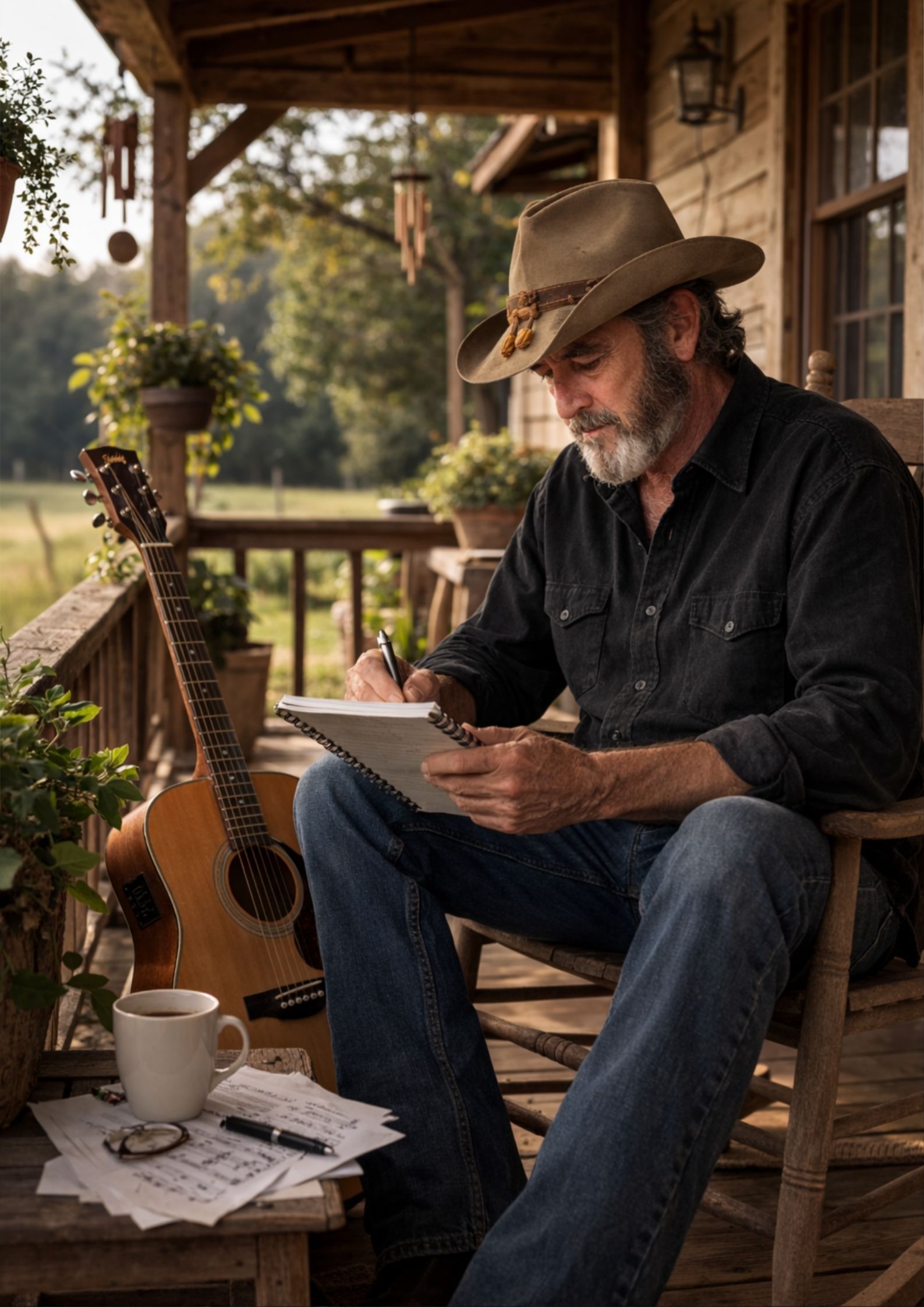
The Quiet Poet of Country Music: The Songwriting Legacy and Achievements of Don Williams
In the long and colorful history of country music, some artists command attention with thunderous energy and flamboyant stage presence. Others leave their mark in a quieter, deeper way—through sincerity, patience, and songs that feel like they were written for the human heart itself. Among those rare voices stands Don Williams, often known simply as “The Gentle Giant.”
Williams did not chase spectacle. He did not need dramatic gestures to captivate an audience. Instead, he built a remarkable career on something far more enduring: songs that spoke plainly, honestly, and compassionately about life, love, and the everyday struggles of ordinary people. Over the course of decades, he became one of the most respected figures in country music, not only as a performer but also as a thoughtful songwriter and interpreter of song.
A Humble Beginning with a Powerful Voice
Born in Floydada, Texas, in 1939, Don Williams grew up surrounded by the musical traditions of the American South. His early exposure to folk and country music shaped his appreciation for storytelling through melody. Before stepping into the spotlight as a solo artist, Williams was part of the folk-pop trio The Pozo-Seco Singers during the 1960s. The group found moderate success, but it was only the beginning of a much larger journey.
When Williams eventually launched his solo career in the early 1970s, few could have predicted how deeply his voice—and his songwriting sensibility—would resonate with listeners around the world.
His voice was unmistakable: deep, calm, and reassuring. But what truly defined him was the emotional clarity of the songs he chose to write and record. They felt authentic. They sounded like conversations rather than performances. That quality would become the hallmark of his entire career.
The Craft of Songwriting: Simplicity with Emotional Depth
Don Williams believed that a great country song did not need complexity to move people. In fact, the opposite was often true. The best songs, he believed, spoke in plain language about real feelings.
His songwriting reflected this philosophy. Rather than relying on elaborate metaphors or flashy production, Williams focused on emotional truth. His lyrics often explored themes of devotion, resilience, humility, and quiet reflection. These were not songs about fantasy—they were songs about life as people actually lived it.
One of the most remarkable things about Williams’ songwriting approach was how universal it felt. A farmer in Texas, a factory worker in Ohio, or a teacher in Tennessee could hear his music and recognize their own experiences inside the lyrics.
That ability to capture everyday emotion is one of the reasons his songs have remained timeless.
Chart Success and Musical Achievements
Throughout the 1970s and 1980s, Don Williams became one of country music’s most reliable hitmakers. His calm presence on stage contrasted sharply with the louder personalities dominating the industry at the time, yet audiences were drawn to him precisely because of that authenticity.
He recorded 17 number-one hits on the Billboard country charts, a remarkable achievement that placed him among the genre’s most successful artists.
Some of his most beloved songs include:
-
“Tulsa Time”
-
“I Believe in You”
-
“Good Ole Boys Like Me”
-
“Lord, I Hope This Day Is Good”
-
“Amanda”
Each of these songs carried the unmistakable Don Williams signature: sincerity without exaggeration, warmth without sentimentality.
“I Believe in You,” in particular, became one of the defining songs of his career. Its message of faith in people and simple goodness resonated with audiences far beyond the country music world.
International Recognition

While many country artists primarily built their following within the United States, Don Williams’ music traveled far beyond American borders. His gentle style proved especially popular in countries such as the United Kingdom, Australia, and parts of Africa.
In places like South Africa, Williams became an almost legendary figure. His concerts there drew enormous crowds, and fans often described his music as comforting and deeply human.
That international success demonstrated something powerful about his artistry: emotional sincerity needs no translation.
Honors and Industry Recognition
Over the years, Don Williams received numerous awards recognizing both his commercial success and his influence on country music.
Among his greatest honors was his induction into the Country Music Hall of Fame in 2010, one of the most prestigious recognitions an artist in the genre can receive. The honor acknowledged not only his chart success but also his lasting influence on generations of singers and songwriters.
Many modern country artists cite Williams as a major inspiration. They admire not only his voice but also his commitment to emotional honesty in songwriting.
A Legacy That Still Speaks
When Don Williams passed away in 2017, the music world lost a voice that had brought calm and reassurance to millions. Yet his legacy remains very much alive.
His songs continue to play on radio stations, streaming platforms, and personal playlists around the world. New generations of listeners still discover the warmth of his music, often through parents or grandparents who grew up with his records.
What makes his legacy so enduring is not simply the number of hits he produced. It is the feeling his songs create.
Listening to Don Williams often feels like sitting on a quiet porch at sunset, reflecting on life’s joys and hardships with someone who understands both.
The Enduring Power of Gentle Music
In today’s fast-moving world, where music often competes for attention through volume and spectacle, the work of Don Williams offers something different.
His songs remind us that the deepest emotions do not always need to shout.
Sometimes they arrive softly, carried by a calm voice and a thoughtful lyric.
And decades later, those songs still have the power to make listeners pause, breathe, and remember why music matters in the first place.
That is the legacy of Don Williams—the quiet poet of country music whose gentle songs continue to speak to the heart.