Introduction
THE SONG THAT PUT ELVIS BACK ON THE THRONE: HOW “IN THE GHETTO” BECAME THE COMEBACK MOMENT AMERICA COULD NOT IGNORE
There are songs that entertain, and then there are songs that arrive at the right moment in history and change the way people hear an artist forever. Elvis Presley’s “In the Ghetto” belongs to that rare second category. Released during one of the most important turning points of his career, the song did more than climb the charts. It reminded America that beneath the glitter, fame, movie posters, and mythology stood a singer capable of delivering a story with heartbreaking sincerity. On June 14, 1969, “In the Ghetto” reached No. 3 on the Billboard Hot 100, marking a powerful sign that Elvis Presley was not finished. In fact, he was beginning one of the most meaningful comebacks in popular music history.
To understand why this moment mattered, one must first remember where Elvis stood in the years before 1969. In the 1950s, he had changed the sound of American music with songs such as “Heartbreak Hotel,” “Don’t Be Cruel,” “Hound Dog,” and “All Shook Up.” He was not merely a successful singer; he was a cultural earthquake. His voice, presence, and musical instincts helped reshape the relationship between country, blues, gospel, and rock and roll. But by the 1960s, the landscape had changed. The rise of the British Invasion, led by groups such as The Beatles, The Rolling Stones, and The Who, shifted the attention of younger listeners. At the same time, Elvis’s heavy commitment to Hollywood films left many critics wondering whether the King of Rock and Roll had become trapped inside a carefully managed image.
That is what makes the arrival of “In the Ghetto” so remarkable. Written by Mac Davis, the song gave Elvis something he had not always been offered during his film-heavy years: a serious, socially aware story worthy of his full emotional range. Recorded in January 1969 at American Sound Studio in Memphis, the track captured a different Elvis. This was not the explosive young rebel of the 1950s or the polished movie star of the early 1960s. This was a mature interpreter, a man whose voice had gained depth, restraint, and lived-in understanding. He sang not to impress, but to illuminate.
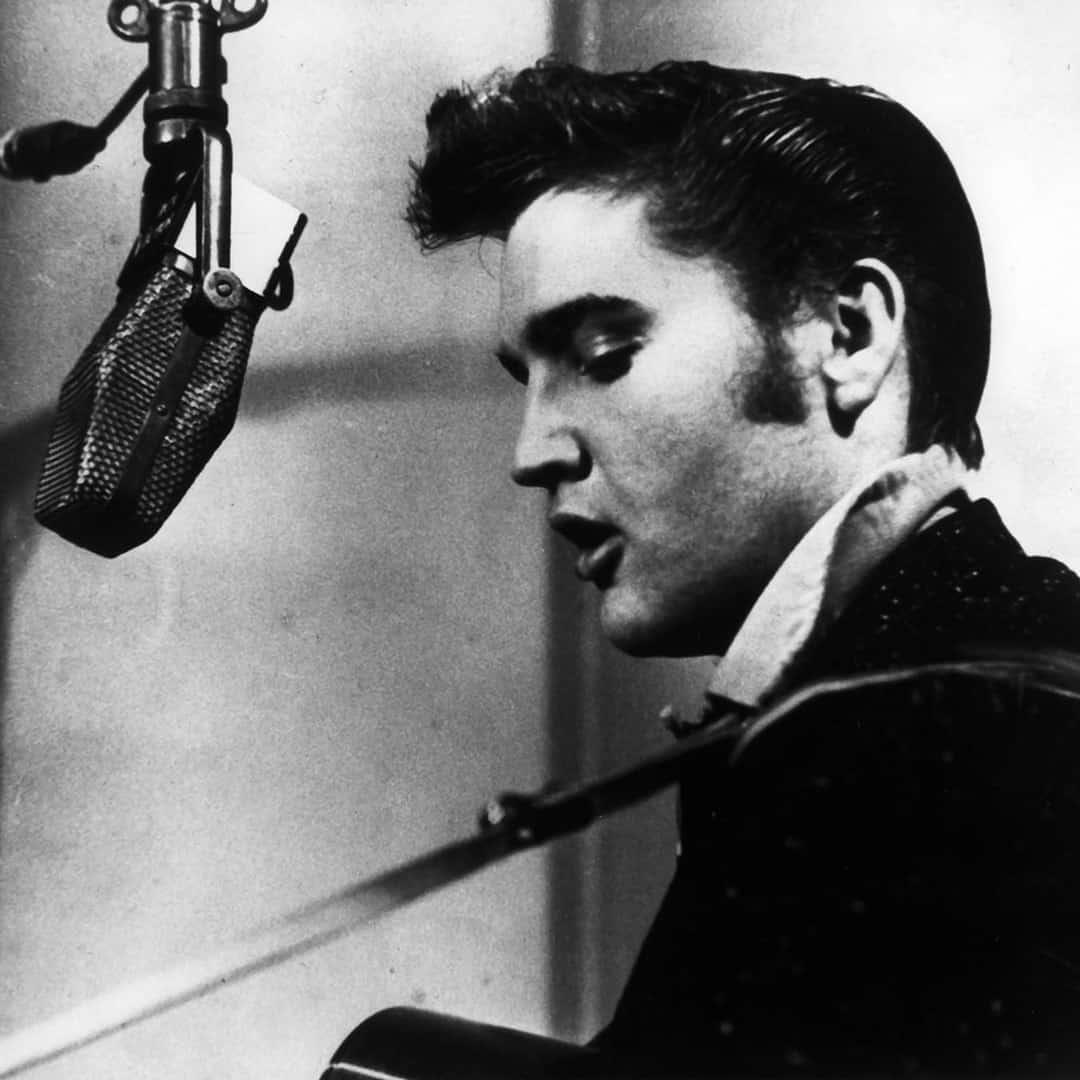
The song’s subject matter was unusually direct for a major pop record of its era. “In the Ghetto” told the story of poverty, hardship, and a cycle of struggle that repeats from one generation to the next. Elvis did not overperform it. He allowed the sadness of the lyric to speak. His delivery was controlled, almost prayerful, and that restraint gave the recording its lasting power. For older listeners, the song remains unforgettable because it feels less like a performance and more like a witness statement. Elvis seemed to be standing at the edge of a difficult American reality and asking the listener not to look away.
The timing could not have been more important. Just months earlier, the world had seen Elvis return with extraordinary force through the 1968 Comeback Special, aired by NBC on December 3, 1968. After years away from regular live performance, he appeared energized, focused, and newly connected to his musical roots. That special reminded audiences of his charisma. But “In the Ghetto” reminded them of his interpretive greatness. Together, those two moments formed the foundation of his late-1960s resurgence.
By June 14, 1969, when the song climbed to No. 3 on the U.S. Billboard Hot 100, it was clear that something had shifted. Elvis was no longer being discussed only as a star from an earlier decade. He was relevant again. More importantly, he was artistically alive in a way that felt urgent and serious. The single remained in the Top 10 for five consecutive weeks, proving that audiences were ready to hear Elvis in a deeper, more reflective mode.
That same year would bring more proof of his renewal. “Suspicious Minds” would become another defining record, while “Don’t Cry Daddy” further showed his ability to bring emotional weight to a song. In 1969, Elvis did not simply return to popularity. He reclaimed authority. He showed that a great singer could adapt without abandoning the qualities that made him great in the first place.
For fans who have followed Elvis across generations, “In the Ghetto” remains one of the clearest examples of why his legacy endures. It is not built only on fame, image, or nostalgia. It is built on recordings that still carry emotional truth. When Elvis sang this song, he stepped beyond entertainment and entered the realm of storytelling. He gave voice to sorrow, compassion, and social awareness at a moment when America was wrestling with change.
Fifty-seven years later, the anniversary of “In the Ghetto” reaching No. 3 is more than a chart memory. It is a reminder of a turning point when Elvis Presley proved he could still surprise the world. He had already been crowned the King. But in 1969, with one haunting song from Memphis, he showed that a true artist does not merely sit on a throne. He earns it again.