Introduction
THE SONG WAYLON WAS MEANT TO SING — BUT DON WILLIAMS HEARD FIRST: How “Amanda” Quietly Became One of Country Music’s Most Human Masterpieces

THE SONG WAYLON WAS MEANT TO SING — BUT DON WILLIAMS HEARD FIRST: How “Amanda” Quietly Became One of Country Music’s Most Human Masterpieces
Some songs explode the moment they arrive. Others wait—patiently, almost mysteriously—until the right voice, the right season, and the right kind of listener finally meet them. That is what gives “Amanda” its lasting power. It did not storm into country music as an obvious blockbuster. It came softly, almost modestly, carrying the emotional weight of a man looking at the woman beside him and confessing, with painful honesty, that life has not made him what she deserved. Bob McDill wrote “Amanda” quickly—by his own account, in about thirty minutes—and the Country Music Hall of Fame notes that it was a song he had tried and failed to get to Waylon Jennings before Don Williams recorded it.
That backstory alone would be enough to make “Amanda” memorable. But what turned it into country folklore was the strange path it took afterward. BOB McDILL WROTE IT IN 30 MINUTES — NASHVILLE, 1973. HE TRIED TO GIVE “AMANDA” TO WAYLON JENNINGS. THE TAPE SAT ON A RECEPTIONIST’S DESK, NEVER DELIVERED. Whether every detail of that story has been polished by retelling over the years or not, the larger truth remains remarkably consistent: McDill believed the song belonged in Waylon’s orbit, yet Don Williams was the first man to give it a voice the public could hear. The Hall of Fame confirms the essential part of that story—McDill tried and failed to place the song with Jennings, and Williams became the artist who first brought it into the world.
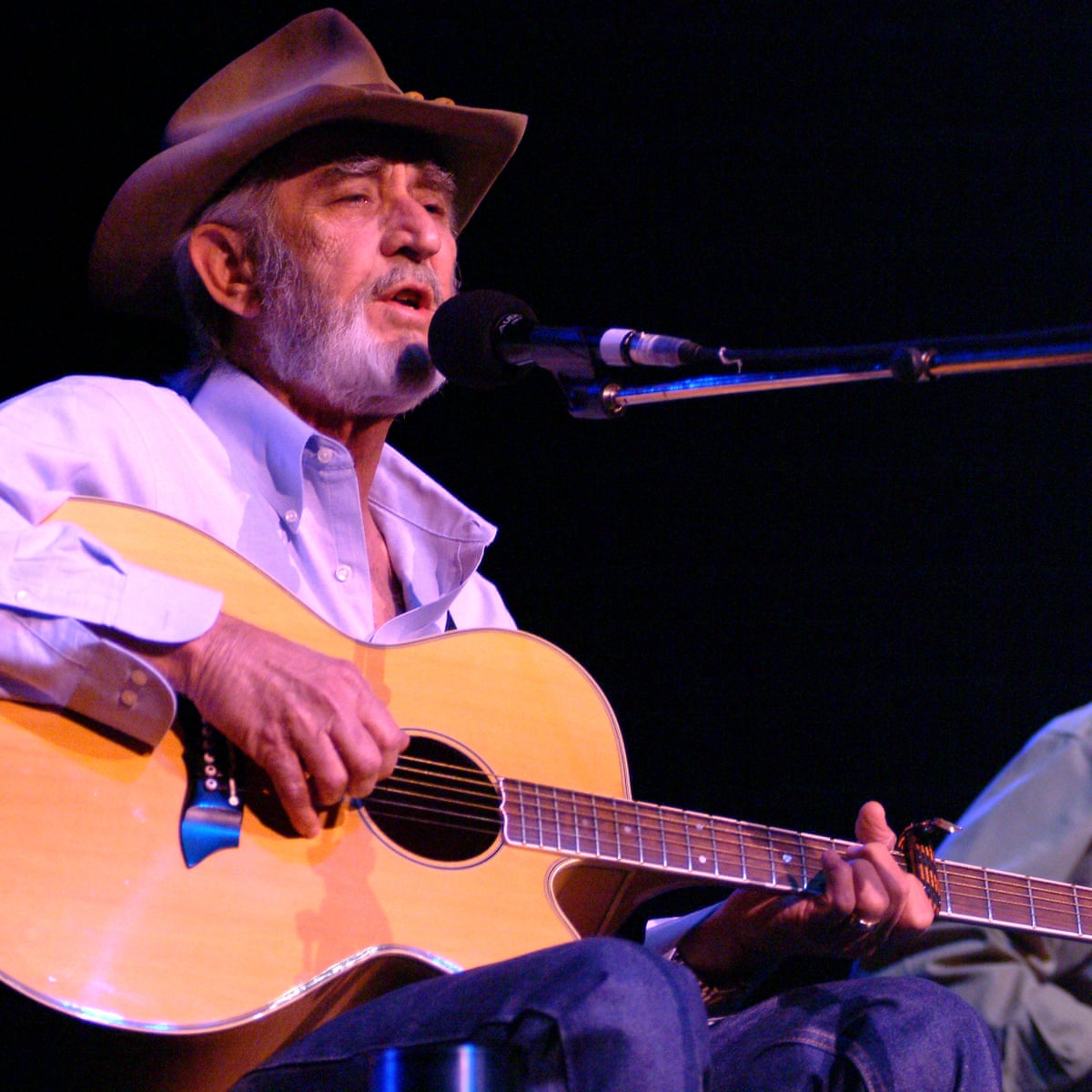
And Don Williams did not treat the song like a grand statement. He recorded it with the same calm gravity that defined so much of his work. Released in 1973 as the flip side of “Come Early Morning,” “Amanda” only climbed to No. 33 on the country chart. It was not ignored entirely, but it was not embraced as the classic it would later become either. It arrived gently and seemed, for a time, to fade gently too. That part of the story matters, because it reveals something essential about Don Williams: he had a rare ability to recognize emotional truth before the rest of the culture caught up to it.
That is why this line carries so much resonance: SO DON WILLIAMS RECORDED IT FIRST — AS A B-SIDE. IT PEAKED AT #33. 6 YEARS LATER, WAYLON HEARD DON’S VERSION ON THE RADIO — AND REALIZED “AMANDA” HAD BEEN WRITTEN FOR HIM ALL ALONG. The dates are broadly supported by the record: Williams released his version in 1973, while Jennings’ “Amanda” became a No. 1 single in 1979 and held the top spot for three weeks. Jennings had actually recorded the song earlier, in 1974, before it was later revived and pushed to the front as a major hit—proof that sometimes a song’s destiny is not immediate, but delayed until the culture is ready to hear it properly.
Still, the real question is not only how “Amanda” became a hit. The real question is why Don Williams understood it so instinctively. Why did this song, which later fit so naturally into Waylon Jennings’ catalogue, sound so deeply at home in Don Williams’ voice first? The answer lies in what “Amanda” is actually about. It is not flashy. It is not youthful. It is not trying to impress anyone. It is a worn-down confession from a man who sees himself clearly enough to know he has come up short. The song carries working-class fatigue, emotional debt, gratitude, shame, and tenderness all at once. That kind of material requires more than a strong singer. It requires an artist who knows how to let humility breathe.
Don Williams had that gift.

He never needed to oversell a lyric. He did not attack a song; he inhabited it. In his hands, “Amanda” became less a performance than a private admission overheard in public. He found the sadness in it, yes, but also the maturity. This was not the heartbreak of youthful melodrama. It was the ache of adult reckoning—the kind older listeners recognize immediately because it speaks in the language of lived experience. By the time Waylon Jennings turned “Amanda” into a No. 1 hit, he brought his own weight, grit, and masculine vulnerability to it, and the result was unforgettable. But Don heard the song’s soul first.
That is why the legend of “Amanda” continues to endure. Nobody thought a B-side would become a country standard. Yet that is exactly what happened. One man introduced it quietly to a world not fully listening. Another later carried it to the summit of the charts. Between those two performances lies one of country music’s most revealing lessons: great songs are not always recognized at first arrival, and sometimes the first artist to record them is the one who understands them most intimately. Don Williams may not have had the No. 1 single first, but he had something just as important—he had the instinct to hear a masterpiece before history stamped it as one.
So when we ask, What did Don Williams hear in “Amanda” — that took Waylon Jennings 6 years to finally understand? the answer may be simpler and deeper than expected. Don heard the dignity inside regret. He heard the exhaustion of a man still trying to love well after life had humbled him. He heard not just a country song, but a human truth. And in country music, human truth is what lasts longest of all.