Introduction
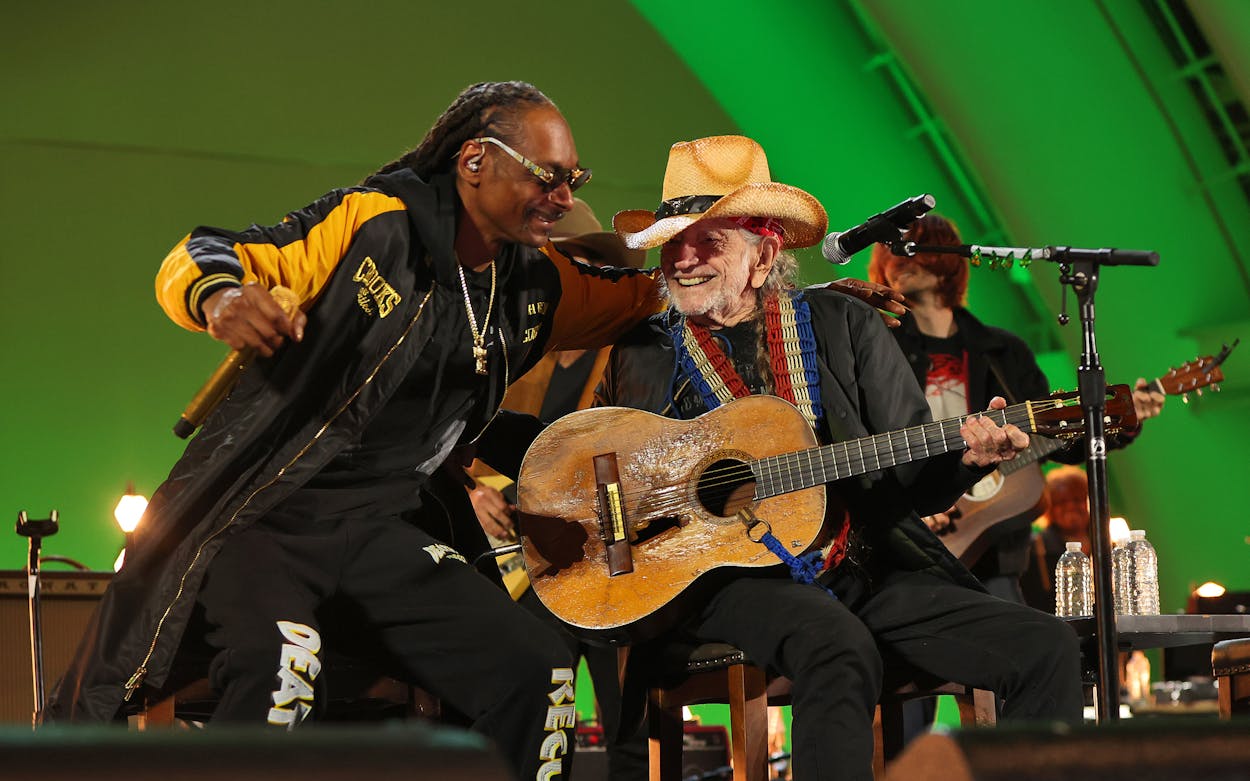
“Blue Eyes Crying in the Rain” stands as a monumental and defining song in the career of Willie Nelson. While the track was originally written by Fred Rose and recorded by several artists before him, it was Nelson’s stripped-down 1975 version that cemented its place in music history and helped launch the outlaw country movement. Featured on his landmark album Red Headed Stranger, this rendition is a masterclass in understated emotion and raw sincerity. Nelson’s performance is not about vocal acrobatics or complex instrumentation; it’s about the power of storytelling.
The song’s simple, yet profoundly melancholic lyrics tell a timeless tale of lost love and the inevitable pain that follows. It’s a memory of a past relationship that, though beautiful, was always destined to end in tears. Nelson’s delivery, characterized by his unique phrasing and a voice that sounds both world-weary and hopeful, perfectly captures this duality. His acoustic guitar, “Trigger,” provides the only accompaniment besides a faint piano and harmonica, allowing the melody and his soulful voice to be the sole focus. This sparse arrangement was a deliberate move away from the highly produced Nashville sound of the time and became a hallmark of Nelson’s outlaw persona.
“Blue Eyes Crying in the Rain” became a massive hit, reaching number one on the country charts and even crossing over to pop radio. Its success proved that a song could be both commercially viable and artistically pure. It connected with listeners on a deeply personal level, a testament to its universal theme of heartbreak. The song is more than just a hit; it’s an enduring anthem for anyone who has ever loved and lost. It’s the sound of a quiet, reflective moment, a simple melody that contains the entire weight of human sorrow and the fragile beauty of memory. This single track, more than any other, captures the essence of Willie Nelson as an artist: authentic, honest, and forever connected to the deepest parts of the human experience.