Introduction
“The Song Nashville Couldn’t Stop: How Charley Pride Silenced Doubt and Made America Fall in Love With His Voice”
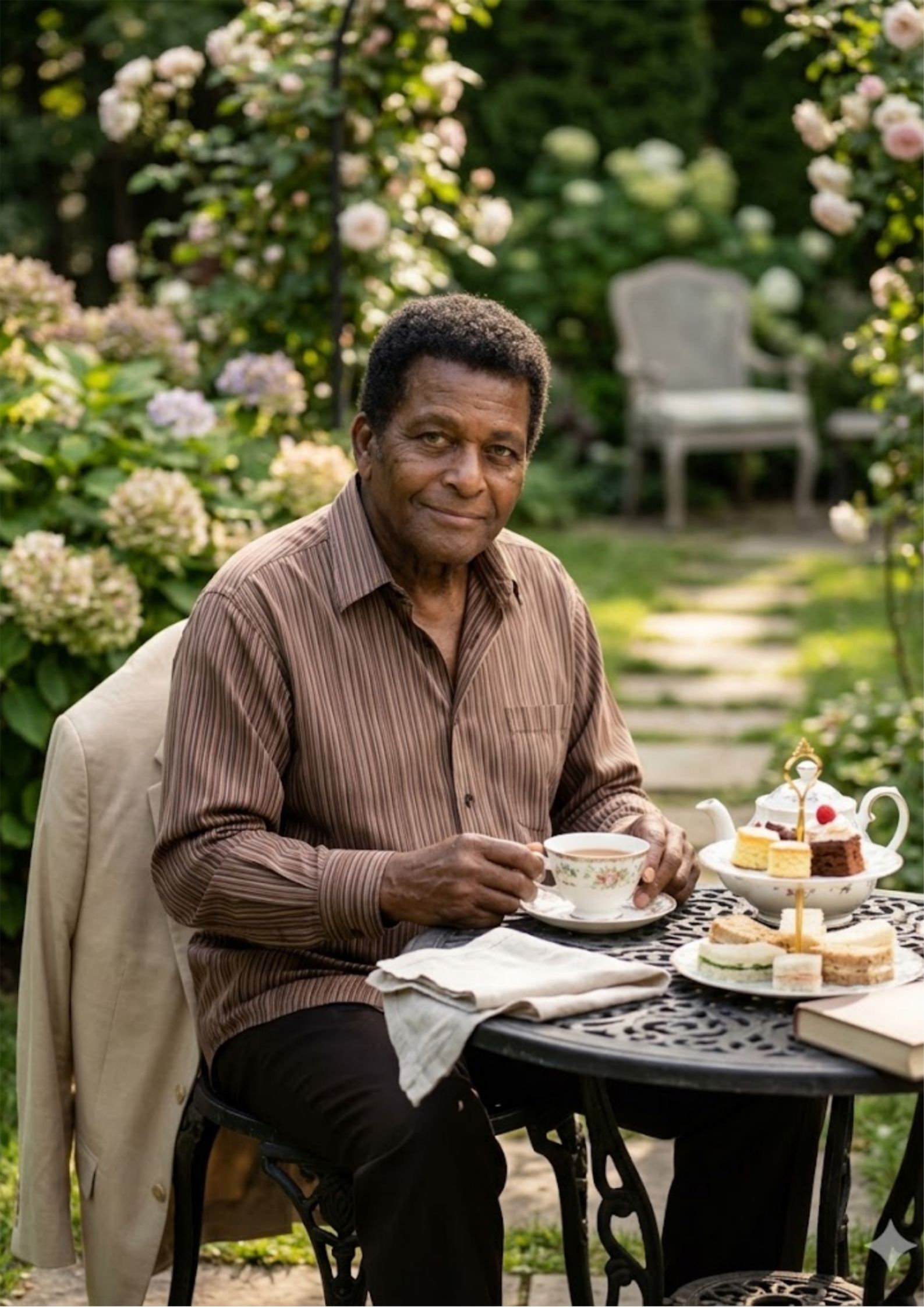
There are certain moments in country music history that feel larger than awards, chart positions, or even the artists themselves. They become emotional turning points — moments when a song does more than entertain. It changes hearts quietly, almost without people realizing it. For many longtime country music fans, one of those moments arrived when Charley Pride stepped up to the microphone and sang “Kiss an Angel Good Mornin’.”
By the early 1970s, Charley Pride had already achieved what much of the music industry once considered impossible. In a genre deeply rooted in tradition and overwhelmingly dominated by white performers, a Black singer from Mississippi had climbed to the top of the country charts through pure talent, dignity, and perseverance. But what makes his story extraordinary is not simply that he succeeded. It is the way he succeeded — without bitterness, without spectacle, and without ever losing the warmth that made listeners trust him the moment they heard his voice.
Older country music fans who lived through that era remember how complicated the atmosphere could be. Nashville was changing slowly, but not always willingly. There were doubts whispered behind studio doors. There were executives nervous about radio reactions. There were fears that audiences might reject a Black artist before even hearing the music. Some early promotional materials reportedly avoided prominently displaying Charley Pride’s face because labels worried that certain stations would refuse to play his records if listeners immediately knew who he was.

It is painful to look back on now, but it also reveals the extraordinary strength required for Charley Pride to continue walking onto stages night after night with grace and composure intact.
What separated him from many artists was his refusal to sound angry or defensive in his music. He never approached country audiences like a man demanding acceptance. Instead, he approached them like a storyteller extending his hand across the room. His voice carried sincerity, kindness, heartbreak, humor, and emotional honesty — the very qualities country music has always treasured at its core.
And then came the song that changed everything forever.
Written by Ben Peters, “Kiss an Angel Good Mornin’” was deceptively simple. On the surface, it sounded like a cheerful love song. A man explains the secret to happiness: treating the person he loves with tenderness and appreciation. No grand drama. No heavy sorrow. No attempt to prove anything politically or culturally. Just warmth. Just joy. Just humanity wrapped inside a melody so inviting that listeners could not help but smile when they heard it.
But beneath that simplicity was something far more powerful.
When Charley Pride sang those lyrics, audiences were not hearing someone fighting for a seat at the country music table anymore. They were hearing someone who already belonged there completely. His delivery felt effortless, relaxed, confident, and deeply authentic. There was no tension in his voice, no sense that he was carrying the enormous pressures surrounding his career. Instead, he sounded comfortable — like a trusted friend sitting across from you at the kitchen table sharing a simple truth about love and happiness.
That emotional ease became revolutionary in its own quiet way.

Many artists force history to notice them through controversy or confrontation. Charley Pride accomplished something different. He disarmed resistance with warmth. He softened rooms with sincerity. He sang so beautifully and so honestly that millions of listeners stopped focusing on what made him different and started focusing on how deeply his music made them feel.
That is why “Kiss an Angel Good Mornin’” became far more than a hit single. It became one of the defining songs of his career and one of the most beloved recordings in country music history. The record crossed beyond traditional country audiences and entered the pop charts as well, becoming Charley Pride’s only major crossover success in the Top 40 pop world. But perhaps its greatest achievement was not commercial at all. The song helped introduce listeners to the idea that country music’s emotional truth could come from any voice capable of delivering it with honesty.
And nobody delivered it quite like Charley Pride.
Over the years, many legendary artists have honored the song. George Jones recorded it. Alan Jackson performed it with admiration. Countless others have revisited the melody over the decades. Yet even when sung beautifully by other voices, the song still carries the unmistakable emotional fingerprint of the man who first made it famous.
That is because some songs become inseparable from the artist who gave them life.
When older audiences hear “Kiss an Angel Good Mornin’” today, they are hearing more than nostalgia. They are hearing a moment when country music quietly expanded its own heart. They are hearing a performer who carried himself with remarkable dignity during a complicated chapter of American cultural history. And perhaps most importantly, they are hearing proof that true artistry can sometimes overcome barriers more effectively than anger ever could.
The story of Charley Pride should never be reduced only to the obstacles he faced, though those obstacles were undeniably real. His legacy matters because of what he contributed to country music itself. He brought elegance, humility, emotional clarity, and warmth to a genre built on storytelling. He reminded audiences that sincerity still mattered. He proved that greatness does not always arrive with noise.
Some performers fight their way into history through force of personality. Charley Pride entered history through the quiet power of song.
And when he sang “Kiss an Angel Good Mornin’,” America did not merely hear a country singer.
America heard a voice it could no longer deny.