Introduction
Charley Pride Was Never “Just” a Country Singer: The Mississippi Dreamer Who Made Nashville Listen
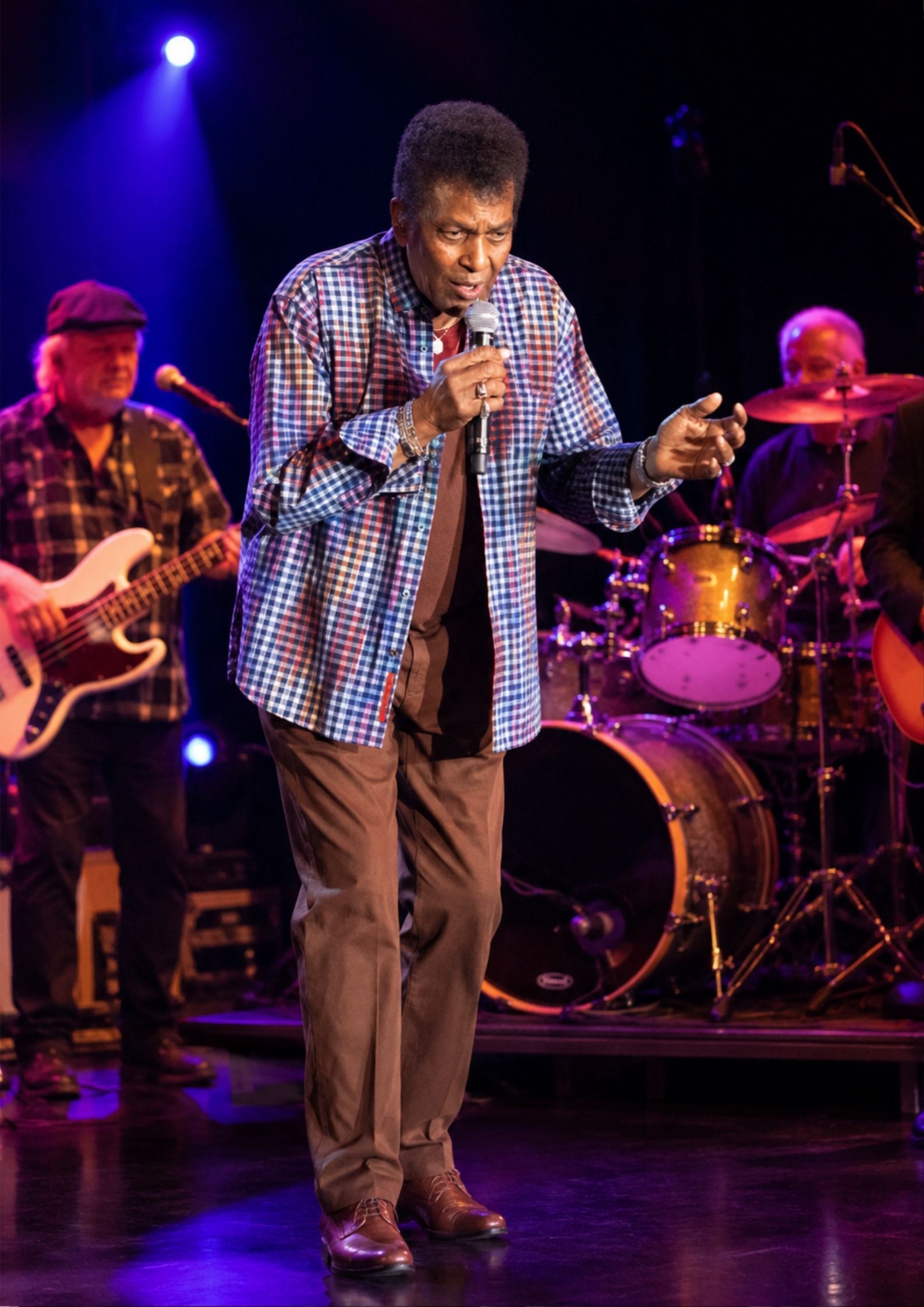
Few stories in American music carry the quiet power of Charley Pride’s journey. He was not born into privilege, industry connections, or easy opportunity. He came from Mississippi sharecroppers, from work, discipline, baseball dreams, and a voice so honest that it eventually forced country music to open its doors. For decades, Pride stood as one of the few African Americans to find lasting success in country music, yet he never seemed comfortable treating himself as a monument. When people called him a legend, he brushed it aside with humor, as if greatness belonged to other people. That humility made his achievement even more remarkable. He did not demand history’s attention. He simply sang until history had no choice but to remember him.
Before Charley Pride became a Grand Ole Opry member, a Country Music Association Entertainer of the Year, and one of the most admired voices in country music, he dreamed first of baseball. Like many young men of his generation, he looked to Jackie Robinson as proof that barriers could be broken by talent, courage, and persistence. Pride played in the Negro Leagues, earned extra money by singing before games, and even had tryouts with major league teams. Baseball did not ultimately carry him to the record books, but it shaped him. It taught patience, endurance, and the discipline to keep swinging even when the odds were against him.
Music entered his life through something modest but life-changing: a $14 guitar ordered from the Sears catalog by his mother. That detail matters because it reminds us that great careers often begin with simple objects placed in the hands of determined people. Pride taught himself to play, and over time, that guitar became more than an instrument. It became a doorway out of poverty, a bridge between rural hardship and national stages, and eventually the companion to a voice that sounded unmistakably country.
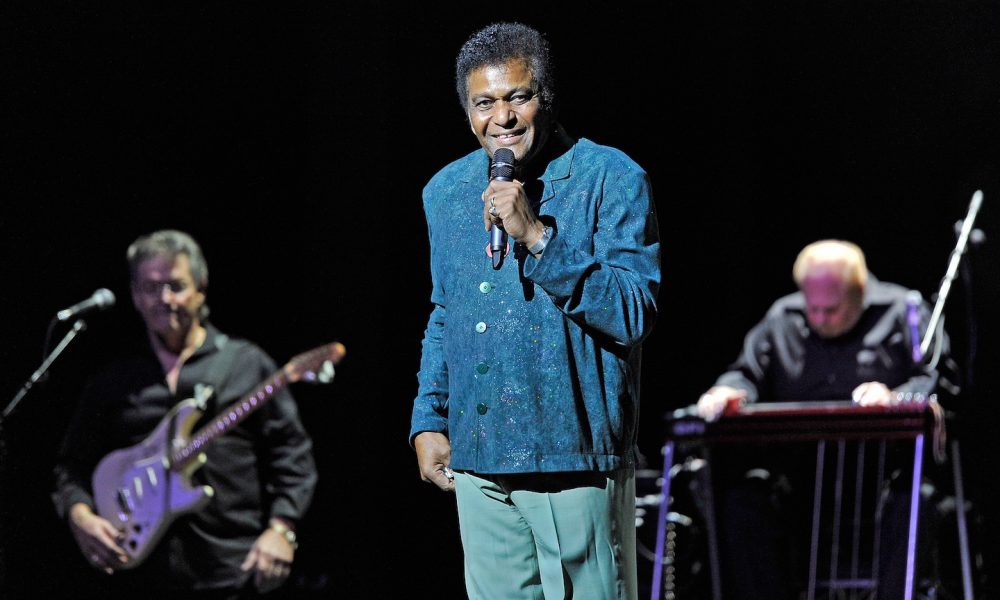
What made Charley Pride extraordinary was not merely that he succeeded in country music. It was the way he succeeded. He did not build his career by rejecting tradition. He entered country music through its deepest values: sincerity, storytelling, melody, and emotional truth. His breakthrough hit “Kiss an Angel Good Mornin’” became a crossover success and helped earn him the CMA Entertainer of the Year honor. Yet his larger achievement was even more meaningful. He proved that country music’s heart was not limited by appearance, background, or expectation. The audience came to hear him sing, and once he opened his voice, the labels placed upon him became smaller than the song.
Pride’s own explanation of his success was typically direct and humble. He often said that once he started singing, it did not matter what color he was. People wanted to hear the voice. That statement was not naïve; Pride understood obstacles better than most. But he also believed in the power of performance to move beyond division. His career became a living argument that music, at its best, reaches people before prejudice can finish speaking.
That is why the later documentaries about his life, including “Charley Pride: I’m Just Me” and his appearance in Ken Burns’ “Country Music,” mattered so much. They placed Pride where he had always belonged: not as a footnote, but as a central figure in the story of American music. His life reflected the broader truth of country music itself, an art form often built from hardship, working-class memory, faith, longing, humor, and survival. Like Johnny Cash, Dolly Parton, Hank Williams, Merle Haggard, Loretta Lynn, Willie Nelson, and others, Pride came from difficult beginnings and turned experience into song.

For older listeners who remember his rise, Charley Pride represents more than nostalgia. He represents dignity. He carried himself with grace in rooms where others might have expected him to apologize for belonging. He did not. He belonged because his voice belonged. He belonged because his songs connected. He belonged because country music, when stripped to its truth, has always been about human stories honestly told.
In the end, Charley Pride’s legacy is not only about being one of the few African American artists to find success in country music. It is about how he changed what success could mean. He proved that a sharecropper’s son with a Sears guitar, a baseball dream, and an unforgettable voice could stand at the center of Nashville’s story. He may have shrugged off the word legend, but history will not. His music still reminds us that courage does not always shout. Sometimes it walks onstage, smiles gently, and sings until the whole room understands.