Introduction
Before Charley Pride Changed Country Music, He Made One Quiet Choice That Carried Him Through Everything
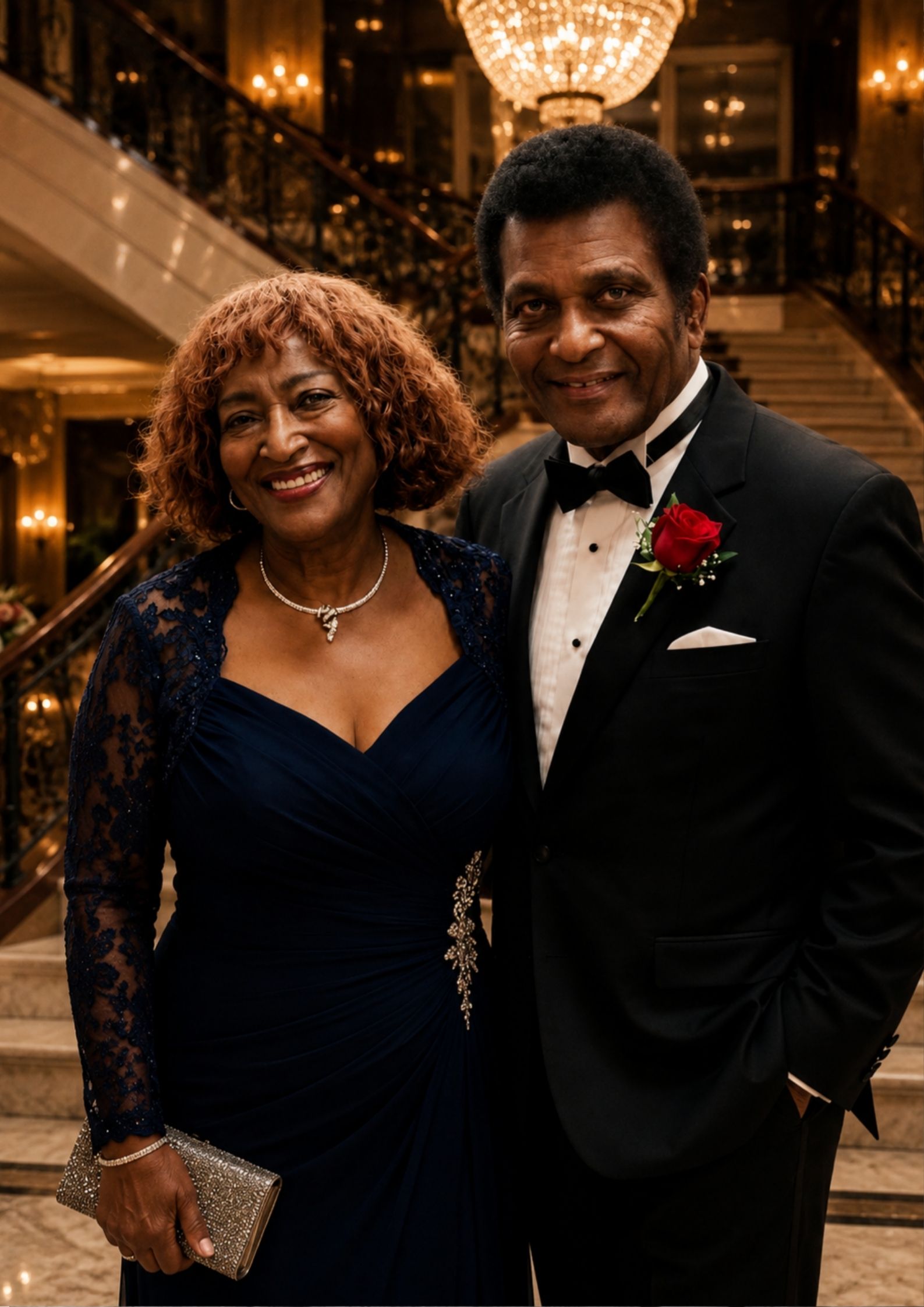
Before Charley Pride became a country music legend, before the awards, the hit records, the standing ovations, and the history-making applause, there was a quieter story most people never fully understood. It was not born under stage lights. It did not begin with a recording contract or a chart-topping song. It began with a young man still searching for his path, and a decision that would quietly shape the rest of his life: he chose home before he ever chose fame.
The world often remembers Charley Pride as the groundbreaking Black artist who changed the face of country music. That part of his story is powerful and necessary. He walked into an industry that had not made much room for someone like him, and through talent, dignity, and determination, he forced the world to listen. But if we only begin his story at the moment the spotlight found him, we miss the foundation that allowed him to survive everything that came after.
Long before RCA Records, long before the Grand Ole Opry, and long before millions knew his voice, Charley Pride was chasing a different dream. In the 1950s, he was not thinking first about becoming a country singer. He was a young baseball player, performing with the Memphis Red Sox, hoping his future might unfold on a field rather than a stage. It was during that uncertain chapter in Memphis that he met Rozene Cohran, the woman who would become the emotional center of his life.

Their love story did not begin with fame. That is what makes it so meaningful. Rozene did not meet a superstar with a guaranteed future. She met a young man still building himself, still facing uncertainty, still trying to understand where life would lead him. There were no headlines surrounding them, no crowds, no polished public image. There was only trust, commitment, and the beginning of a partnership strong enough to carry both of them through years the world had not yet seen.
In 1956, Pride’s life was moving quickly and unpredictably. He was drafted into the U.S. Army and sent to basic training at Fort Chaffee, Arkansas. Many people would have waited for stability before making a lifelong promise. Charley Pride did the opposite. During a brief Christmas leave, on December 28, 1956, he married Rozene. That moment may not look dramatic compared with his later fame, but it may be one of the most important decisions of his life.
What makes that choice so remarkable is that it came before comfort. It came before money. It came before the world understood his talent. Pride did not wait until success made commitment easier. He stepped into marriage while his future was still uncertain, divided between military life, baseball dreams, and a distant musical path that had not yet opened before him. In many ways, that quiet decision tells us more about the man than any trophy ever could.
After their marriage, Charley Pride continued navigating the demands of Army service and baseball. There was no clear road to country music greatness. There was no guarantee that the world would ever hear his voice on the radio. Yet through those uncertain years, Rozene Pride remained a steady presence. Their home was not something built after success arrived. It was something they carried into uncertainty together.

That distinction changes the way we understand his legacy. Fame did not create Charley Pride’s stability. Stability came first. The life he built with Rozene gave him an anchor before the industry ever gave him a platform. When rejection came, when doors were slow to open, when prejudice and doubt stood in his path, he already had something stronger than applause behind him. He had a foundation.
By the time his music career began rising in the 1960s, nearly a decade had passed since that wedding day. His success was not sudden in the way people sometimes imagine. It was shaped by years of work, patience, endurance, and private support. When he eventually signed with RCA Records and began breaking barriers in country music, he did not walk into that world as a man searching for identity. He already knew who he was. He was a husband, a family man, a worker, a dreamer, and a believer in commitment.
That is why Rozene Pride belongs at the heart of this story. She was not simply standing beside fame after it arrived. She had been there before the applause, before the records, and before the industry understood the magnitude of the artist in front of them. Behind every historic breakthrough was a private partnership that had already been tested by ordinary life.
The most moving part of Charley Pride’s journey is not only that he became a pioneer. It is that he became one without losing the quiet values that shaped him before the world was watching. He proved that greatness is not always built in public. Sometimes it is built in small rooms, through difficult years, with one loyal person beside you and no promise that the dream will ever come true.
For older readers, this story carries a special kind of truth. Life teaches us that success is meaningful, but it is not everything. The applause fades. The awards gather dust. Public recognition can be powerful, but it cannot replace the people who believed in us when there was nothing to gain. Charley Pride’s marriage, his devotion to home, and his long partnership with Rozene remind us that the deepest foundations of a life are often laid long before anyone notices.
Today, Charley Pride is rightly remembered as a legend, a trailblazer, and one of the most important voices in country music history. But behind that public legacy was a private choice made in 1956 — a choice to build a life before the spotlight arrived.
And perhaps that is the most beautiful truth of all. Charley Pride did not become strong because fame found him. Fame found a man who had already chosen what mattered most.