Introduction
Elvis Presley at 90: The King Who Still Refuses to Leave the Stage of History
he’s regarded as one of the most influential cultural figures of the 20th century — and even that description seems too small for Elvis Presley. On what would have been his 90th birthday, the world is reminded once again that Elvis was never merely a singer, a movie star, or a handsome face from another era. He was a cultural earthquake. He changed the sound, look, rhythm, and emotional language of popular music, and nearly five decades after his death, his presence still feels remarkably alive.
Born in Tupelo, Mississippi, in 1935 and later raised in Memphis, Elvis came from a world where music was not neatly divided. Gospel sounds from church, rhythm and blues from the streets, country music from radio, and the raw energy of youth all met inside him. That mixture became something new when he stepped into Sun Studios with Sam Phillips. From there, the first great shockwaves began. “Heartbreak Hotel” sold in enormous numbers, and the debut album simply titled “Elvis” introduced a voice and personality that America could not ignore.
But Elvis’s power was never only in the recordings. It was in the total impact. He had the voice, the looks, the charisma, and the stage presence that made audiences feel as if something dangerous and exciting had entered the room. For young fans in the 1950s, he represented freedom, electricity, and possibility. For parents and critics, he represented disruption. That tension helped make him unforgettable.
In the 1960s and 1970s, Elvis became more than a recording artist. He became a movie star, a television phenomenon, and one of the most recognizable men on earth. At one point, he was among the highest-paid actors in America. Yet fame came with pressure. His film career brought commercial success, but it also left him creatively frustrated. Many fans and historians still see the 1968 Comeback Special as one of his finest hours because it showed the world that beneath the Hollywood machinery, the real Elvis was still there — hungry, intense, and musically alive.
His personal life became part of the public story as well. His relationship with Priscilla, their marriage in Las Vegas, and the birth of Lisa Marie added a family dimension to the Elvis legend. Yet behind the glamour were struggles that became increasingly heavy. Career dissatisfaction, the burdens of fame, financial control by his manager, and health issues all became part of the complicated final chapter of his life.
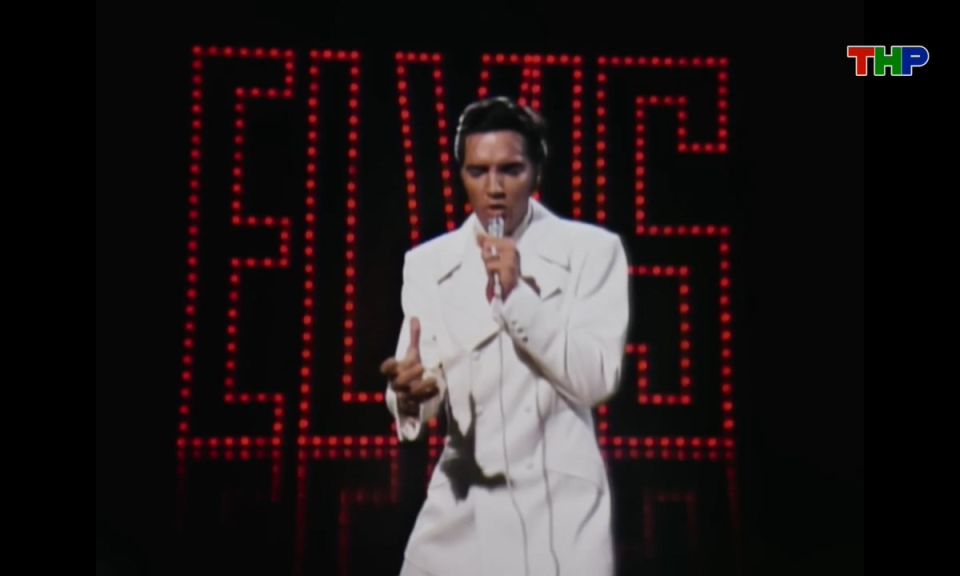
When Elvis died in 1977 at only 42, the world reacted as if a piece of modern culture had collapsed. Fans gathered outside Graceland in grief. People who had grown up with his music felt as if their own youth had been taken from them. Priscilla’s memories of the funeral procession — crowds lining the streets, people crying, fainting, and saying goodbye — capture the scale of what Elvis meant to ordinary lives.
For older listeners, Elvis’s legacy is not abstract. They remember where they were when the news came. They remember hearing his songs on the radio, seeing him on television, watching the world change around him. To them, Elvis was not just history. He was part of the air they breathed.
Now, at what would have been his 90th birthday, his influence continues across generations. Young people still discover his music through films, streaming, documentaries, and family memories. Older fans return to him with even more understanding, recognizing both the brilliance and the sadness of his story.
In the end, Elvis Presley remains the King of Rock and Roll not because the title was given to him, but because time has failed to take it away. His voice still moves. His image still fascinates. His story still invites debate, admiration, and grief.
Ninety years after his birth, Elvis is not simply being remembered. He is still being felt.