Introduction
When the Spotlight Faded, the Bee Gees Found Their Way Back to Paradise
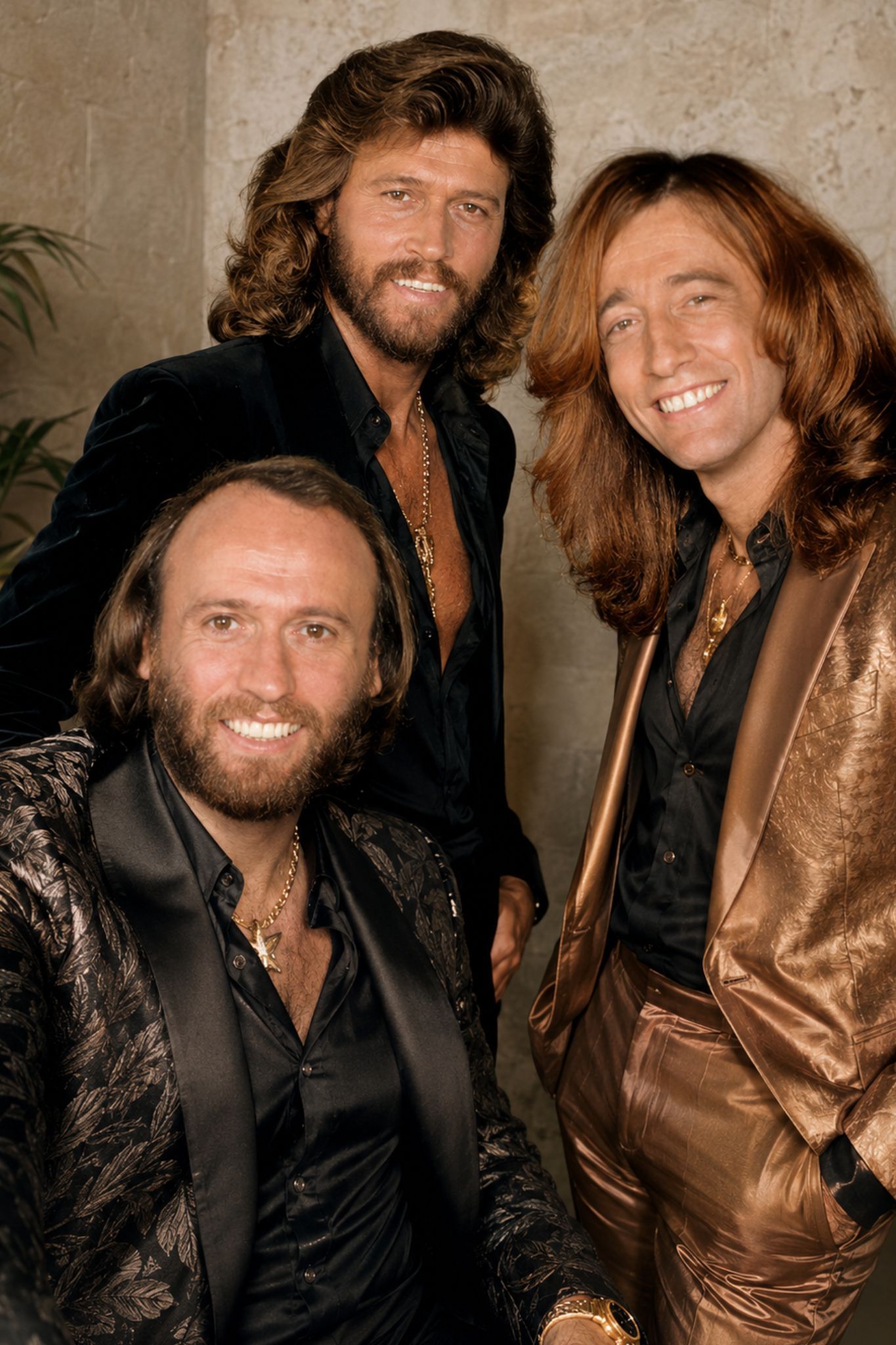
Some of the most revealing moments in the Bee Gees’ long career did not arrive with flashing lights, packed dance floors, or the overwhelming commercial force that once made them one of the most recognizable groups in the world. Instead, they appeared in quieter songs—carefully written, richly arranged, and often carrying more emotional pressure than their gentleness first suggested. “Paradise,” from the 1981 album Living Eyes, belongs to that overlooked but deeply rewarding category. It is not one of the group’s most famous recordings, yet it offers a fascinating glimpse of three brothers attempting to preserve their musical identity at a difficult turning point.
By the beginning of the 1980s, the cultural climate surrounding the Bee Gees had changed dramatically. The group had reached extraordinary heights during the disco era, but such overwhelming success often creates its own burden. When public taste changes, artists who once seemed inseparable from the spirit of an age can suddenly find themselves judged not only by their new work but by the enormous shadow of what came before. For Barry, Robin, and Maurice Gibb, this meant that even a beautifully constructed song could be heard through the noise of expectation.
That is part of what makes “Paradise” so compelling. The song does not attempt to recreate the feverish momentum of the group’s most commercially dominant years. It does not announce itself as a grand reinvention, nor does it chase the fashionable sound of the moment with obvious desperation. Instead, it moves with patience. Its beauty lies in restraint, in the way the arrangement allows the melody to unfold naturally, and in the way the brothers’ voices seem to gather around one another for reassurance.
The title itself carries a certain irony. Paradise is usually imagined as a place of peace, escape, or perfect belonging, yet the song emerged during a period when the Bee Gees were navigating uncertainty. Their public image had become complicated, and the immense popularity that once appeared to guarantee artistic freedom had begun to feel like a narrow frame. In that context, the song’s elegance becomes more than decoration. It sounds like an effort to recover calm in the middle of change.

The vocal blend is, as always, the emotional foundation. No matter how dramatically the musical world around them shifted, the Bee Gees possessed something that could not be easily imitated: the natural connection among three brothers whose voices had developed together over many years. Their harmonies did not simply sit on top of an arrangement. They seemed to breathe from within it. On “Paradise,” that family blend becomes a place of shelter, allowing the song to feel intimate even when the production grows lush.
Barry’s voice brings warmth and control, while Robin contributes the fragile, unmistakable character that could make a single phrase feel emotionally exposed. Maurice, often less publicly celebrated than his brothers, provides much of the balance and musical architecture that gives the harmonies their depth. Together, they create a sound that is polished without becoming cold. The emotional effect comes not from dramatic excess but from the careful way each voice supports the others.
The presence of Don Felder of the Eagles adds another intriguing dimension to the recording. His electric guitar does not overwhelm the song or turn it into a showcase for technical display. Instead, it introduces a subtle crosscurrent between two major musical worlds. The Eagles were associated with a particularly American blend of rock, country, and West Coast sophistication, while the Bee Gees had traveled through pop, soul, orchestral balladry, and dance music. Felder’s contribution creates a quiet meeting point between those traditions.
That collaboration matters because it reflects the broader musical atmosphere of the period. By 1981, established artists were searching for ways to evolve without losing the qualities that had made them distinctive. A guest musician such as Felder did not erase the Bee Gees’ identity. He added texture to it. His guitar sits within the arrangement like a thoughtful voice in a conversation, offering a different shade without disturbing the song’s emotional center.
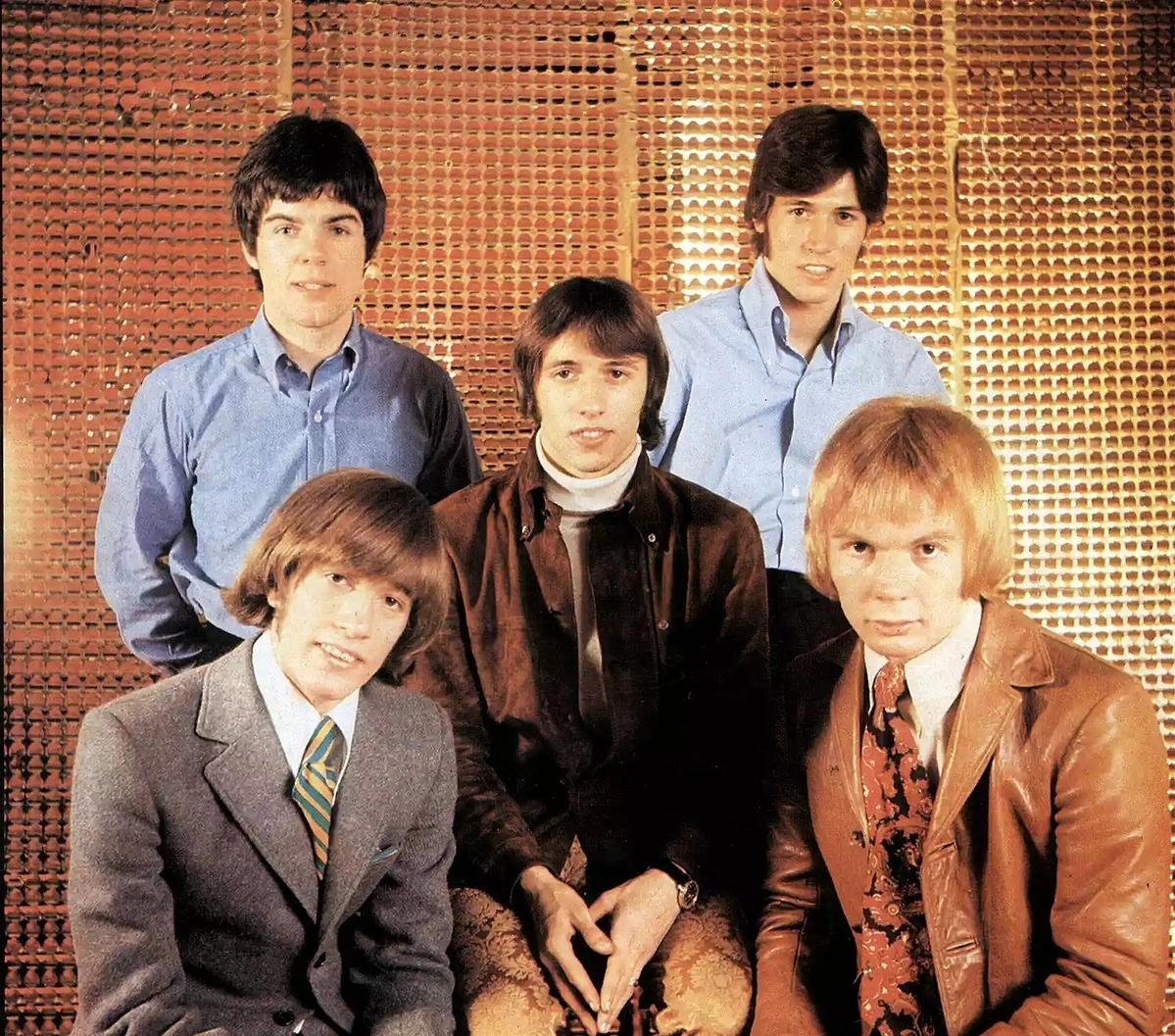
Living Eyes itself has often been viewed through the difficult circumstances surrounding its release. It followed a period of unprecedented success, and almost any album arriving after such dominance would have faced impossible comparisons. Listeners and critics were not simply asking whether the new songs were good. They were asking whether the Bee Gees could define another era. That was an unfair burden for any group, especially one already carrying the consequences of being strongly associated with a musical movement that had suddenly become a target of public resistance.
Within that setting, “Paradise” feels less like a failed attempt at another worldwide anthem and more like a statement of artistic survival. It suggests that the brothers were still capable of grace, subtlety, and emotional precision even when the cultural conversation had turned against them. The song does not plead for approval. It trusts melody, musicianship, and harmony to make their own case.
There is also something moving in the way the recording avoids bitterness. The Bee Gees had every reason to feel misunderstood. Their history stretched far beyond disco, and their songwriting had already demonstrated remarkable range. Yet “Paradise” does not sound like an argument with the public. It does not demand recognition or attempt to correct the historical record. Its response to pressure is beauty.
For older listeners, that quality may be particularly meaningful. With the benefit of time, it becomes easier to recognize that careers are not defined only by their loudest victories. The quieter chapters often reveal more about character. When applause becomes uncertain and fashion moves elsewhere, artists must decide whether they still believe in the craft itself. Songs such as “Paradise” suggest that the Bee Gees did.
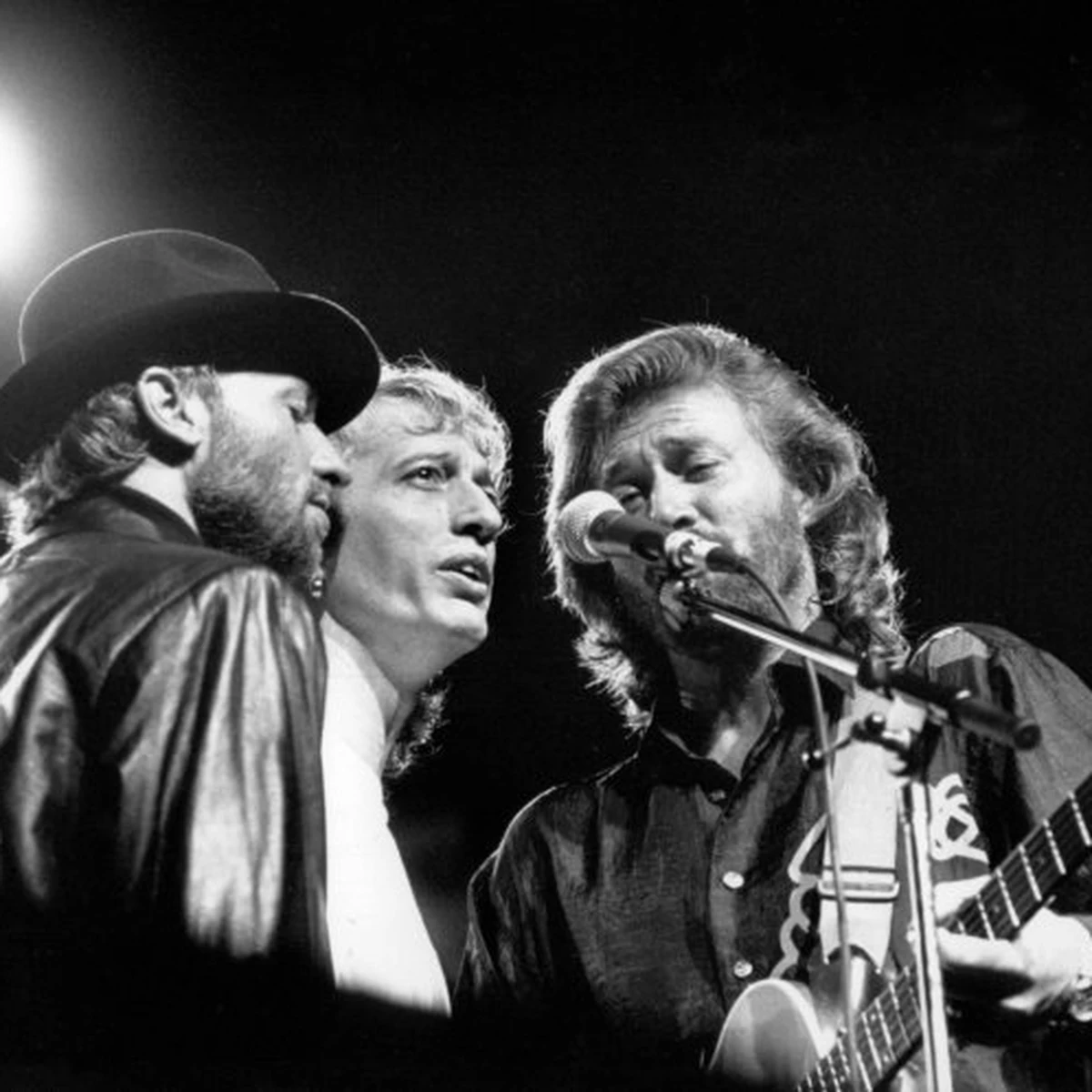
The track’s regional release also adds to its sense of mystery. It never received the kind of global exposure associated with the group’s major hits, which allowed it to remain almost hidden within their catalogue. For devoted listeners, discovering such a song can feel like opening a private room in a familiar house. The voices are instantly recognizable, but the atmosphere is different—more reflective, less concerned with spectacle, and perhaps more honest about the emotional weather surrounding the group at the time.
The arrangement’s lushness should not be mistaken for mere softness. Beneath its polished surface lies tension. Every graceful phrase seems aware of how much was at stake. The brothers were not newcomers trying to attract attention; they were legends attempting to move forward after the world had already decided what they represented. That pressure gives the song its quiet intensity.
In many ways, “Paradise” captures the Bee Gees at their most human. They are not presented as untouchable hitmakers or symbols of an era. They sound like three brothers returning to the one place where they could still trust themselves completely: harmony. When the wider world became uncertain, their voices remained familiar to one another.
This is why the song deserves to be heard again. It reminds us that musical greatness is not always found in the records that dominate charts or define public celebrations. Sometimes it lives in a regional single, a carefully placed guitar line, or a chorus in which three voices briefly recover a sense of home.
“Paradise” may never stand beside the Bee Gees’ most famous songs in popular memory, but it reveals something equally valuable. It shows how elegance can survive disappointment, how musicianship can endure changing fashion, and how family harmony can become a form of resilience. At a moment when the spotlight was beginning to fade, the Bee Gees did not simply repeat the past. They stepped into a quieter space and allowed the music to speak for itself.