Introduction
THE NIGHT DOLLY PARTON AND VINCE GILL BROUGHT NASHVILLE TO ITS KNEES — THE HEARTBREAKING STORY BEHIND “I WILL ALWAYS LOVE YOU” THAT STILL MOVES AMERICA TO TEARS
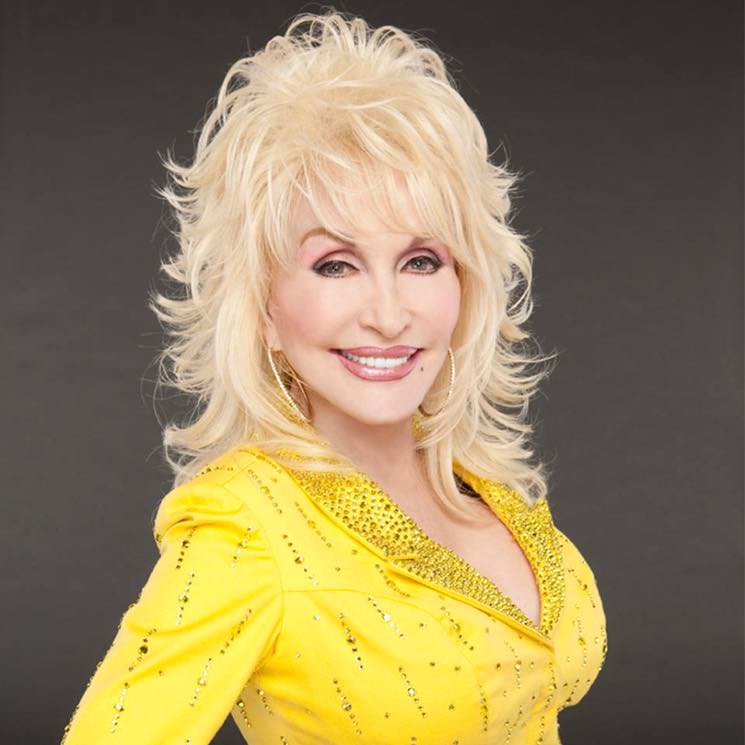
Some songs become famous because they are beautifully written. Others become unforgettable because they carry a story so deeply human that generations recognize their own lives within the melody. But few songs in American music history have traveled an emotional journey quite like Dolly Parton’s “I Will Always Love You.” Written in 1973 as a deeply personal farewell to a man who had helped shape her career, transformed into a worldwide phenomenon by Whitney Houston in 1992, and lovingly revisited with Vince Gill in 1995, the composition has experienced several extraordinary lives. Yet there is something especially moving about the version Dolly recorded with Gill. Rather than competing with the enormous power of Houston’s interpretation, the two country legends returned the song to its emotional beginnings, reminding listeners that sometimes the most heartbreaking goodbye is also the most gracious expression of love.
The remarkable story began long before international fame turned “I Will Always Love You” into one of the most recognizable recordings of the twentieth century. In the early 1970s, Dolly Parton was facing one of the most difficult professional decisions of her young career. For years, she had worked alongside Porter Wagoner, the established country entertainer who welcomed her onto his television program and helped introduce her remarkable voice to a national audience. Their partnership brought tremendous success, but Dolly increasingly recognized that her musical ambitions required a different direction. She wanted to establish herself as an independent artist, pursue her own creative instincts, and build a career beyond the partnership that had made her famous.

Leaving was not simple. Wagoner had been an important mentor, collaborator, and influential figure in her professional life. Dolly understood that her departure could be interpreted as rejection or ingratitude, even though she remained appreciative of everything he had contributed to her success. Words alone seemed insufficient to explain such complicated emotions. So she turned to the one form of expression that had always allowed her to communicate with extraordinary honesty: songwriting.
The result was “I Will Always Love You,” a composition that transformed a potentially painful professional separation into a timeless statement of gratitude and affection. Dolly later recalled singing the song privately for Wagoner, who was moved to tears. Its message was unmistakable. She was determined to leave, but her decision did not erase her appreciation for the man who had helped her reach an important turning point in life. What might have become an angry farewell instead emerged as something profoundly dignified: an acknowledgment that two people can follow different paths while continuing to honor what they once shared.
When Dolly released the song in 1974, it reached No. 1 on the country charts and became one of the defining recordings of her early solo career. Its emotional power came from a quality that has always distinguished the finest country songwriting: simplicity. There was no elaborate dramatic plot, no unnecessary bitterness, and no attempt to portray the end of a relationship as a personal defeat. Instead, the song communicated the difficult wisdom of accepting change without surrendering kindness. For audiences who had experienced separation, retirement, family transitions, or the loss of a familiar chapter of life, its meaning extended far beyond the circumstances of Dolly’s departure from Wagoner’s television program.
Then, almost two decades later, the song entered an entirely different musical universe. In 1992, Whitney Houston recorded “I Will Always Love You” for the film The Bodyguard, delivering a performance of extraordinary vocal strength and emotional intensity. Her interpretation became a worldwide sensation, reaching No. 1 on the Billboard Hot 100 and remaining there for fourteen weeks. The recording introduced Dolly’s composition to millions of listeners who may never have heard the original country version. Houston’s remarkable vocal command transformed its familiar melody into a soaring declaration that became inseparable from the musical landscape of the 1990s.
But the story did not end with Whitney Houston’s extraordinary success. In fact, one of its most touching chapters was still waiting to unfold.
In 1995, Dolly Parton returned to “I Will Always Love You” with Vince Gill, an artist whose delicate tenor voice and remarkable sensitivity made him one of Nashville’s most respected performers. Their recording appeared on Dolly’s album Something Special, released on August 22 of that year. At first glance, revisiting a composition that had already achieved such enormous international recognition might have seemed an intimidating decision. After all, Whitney Houston’s interpretation had established a standard of vocal grandeur that few singers could reasonably hope to surpass. But Dolly and Vince approached the song from an entirely different perspective.
They did not attempt to overpower the melody. They allowed it to breathe.
That artistic choice became the foundation of the recording’s extraordinary beauty. Dolly’s familiar mountain-influenced voice carried the emotional memory of the original composition, while Gill’s warm, expressive tenor added a sense of tenderness and quiet understanding. Their voices did not compete for attention. Instead, they seemed to answer one another, creating the impression of two people acknowledging the importance of a shared past while accepting that life sometimes requires different futures. The arrangement provided musical warmth and support without obscuring the emotional character of the song.