Introduction
THE NIGHT GUY PENROD AND DAVID PHELPS SANG “IT IS WELL WITH MY SOUL” — THE HEARTBREAKING STORY BEHIND A HYMN THAT TURNED SORROW INTO UNBREAKABLE FAITH
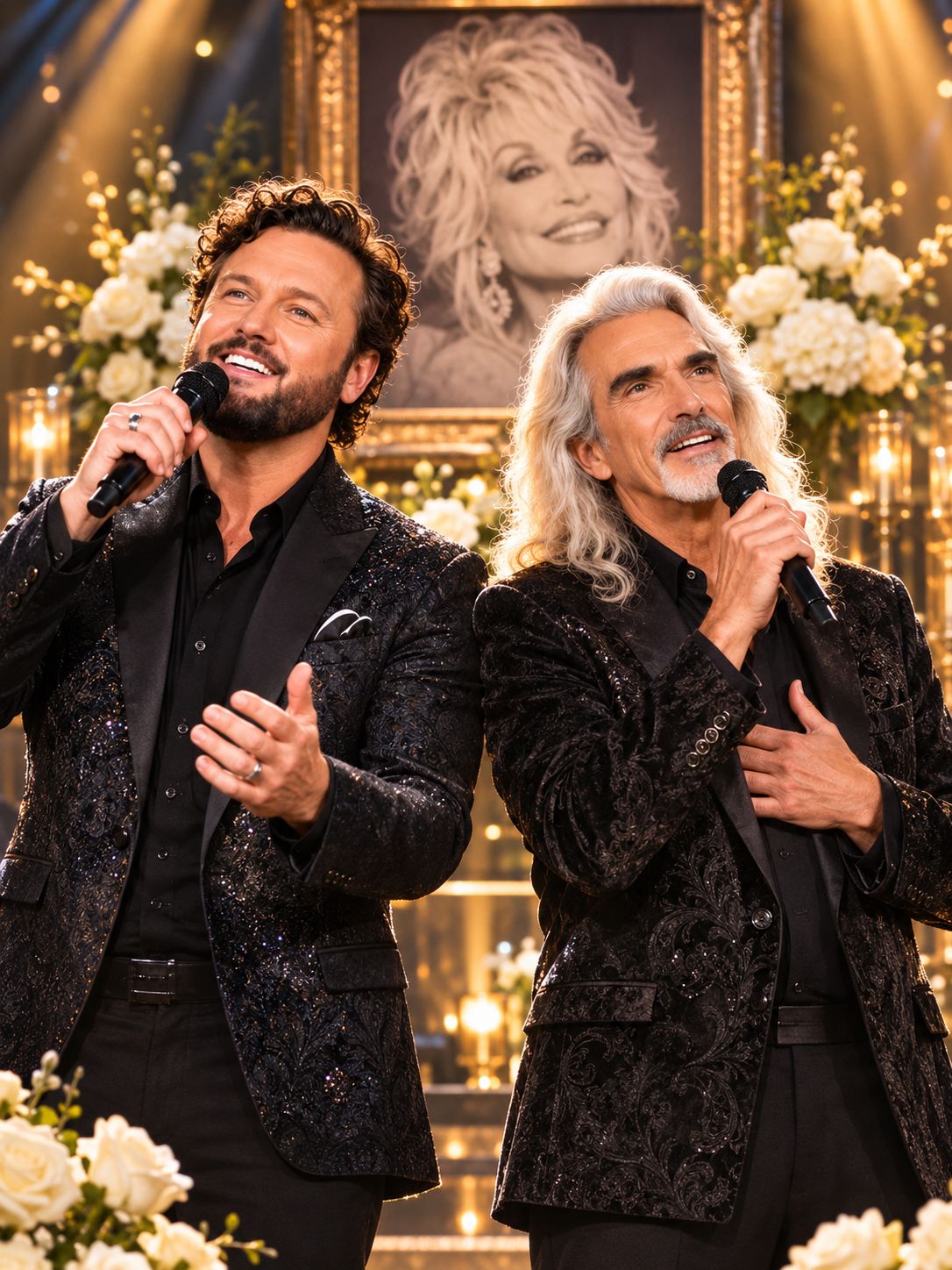
Some performances entertain the audience. Others touch the heart so deeply that even after the final note fades, the emotion remains. But when Guy Penrod and David Phelps brought their extraordinary voices together for “It Is Well With My Soul,” they offered something far more profound than a beautiful gospel performance. Under the musical legacy of Bill and Gloria Gaither, this beloved hymn became a moving testimony to faith, grief, endurance, and the extraordinary human capacity to discover peace in the middle of life’s greatest storms. For generations of Americans who have experienced heartbreak, buried loved ones, struggled through difficult seasons, or quietly searched for reassurance, the song carries a message that remains as powerful today as it was more than a century ago.
Yet what makes this performance especially remarkable is the heartbreaking history behind the music. “It Is Well With My Soul” was born from a tragedy so devastating that its story almost seems impossible to comprehend. Long before gospel audiences heard the magnificent harmonies of Guy Penrod and David Phelps, the words were associated with an American father whose life had been shattered by unimaginable loss. The hymn’s origins remind us that some of the most comforting music ever written did not emerge from moments of happiness, but from the deepest valleys of human suffering.
The story begins with Horatio Gates Spafford, a successful Chicago attorney and devoted Christian who lived during the nineteenth century. He and his wife, Anna, had built a family and a life grounded in faith. But a series of devastating events would change their future forever. The Great Chicago Fire of 1871 brought serious financial losses, and the family also endured the death of a young son. Then, in November 1873, Anna and the couple’s four daughters traveled aboard the steamship SS Ville du Havre, crossing the Atlantic while Horatio remained behind in America to attend to business matters.
During the voyage, the ship collided with another vessel and sank. Anna survived, but all four daughters were lost. When the terrible news reached Horatio, his world was forever changed. According to the traditional account, he later traveled across the Atlantic to join his grieving wife, passing near the waters where the disaster had occurred. The hymn’s composition has often been associated with that journey, although historical accounts differ about precisely when its words were written. What remains certain is that “It Is Well With My Soul” emerged from the Spafford family’s profound grief, eventually receiving its enduring melody from composer Philip Paul Bliss and appearing in print in 1876.
Imagine the emotional significance of that history. A father who had suffered heartbreaking personal losses became associated with one of Christianity’s most enduring declarations of spiritual peace. The words did not suggest that tragedy was insignificant or that sorrow could simply be forgotten. Instead, they expressed the possibility that faith might sustain a person even when circumstances offered little reason for comfort. That distinction is the spiritual heart of the hymn. It does not deny suffering; it confronts suffering with hope.
More than a century later, the Gaither Homecoming musical tradition introduced this message to new generations through remarkable voices and deeply expressive performances. Bill and Gloria Gaither had long understood the extraordinary power of traditional gospel music. Their productions brought together talented singers from different generations, preserving beloved hymns while allowing each performer to contribute a distinctive musical personality. Among those artists, Guy Penrod and David Phelps became particularly admired for their exceptional vocal gifts and their ability to communicate emotion through harmony.
Penrod possessed a warm, resonant voice with the natural character of Southern gospel and country music. His delivery frequently suggested the reassuring presence of someone sharing a message of encouragement with an old friend. Phelps, meanwhile, brought remarkable tenor power, technical precision, and a dramatic musical sensitivity that could transform even a familiar phrase into an extraordinary emotional experience. Where Penrod offered warmth and steadiness, Phelps supplied brilliance and soaring intensity. Together, their voices created an unforgettable balance between comfort and triumph.