Introduction
At 81, Priscilla Presley Still Hears the Elvis the World Almost Missed
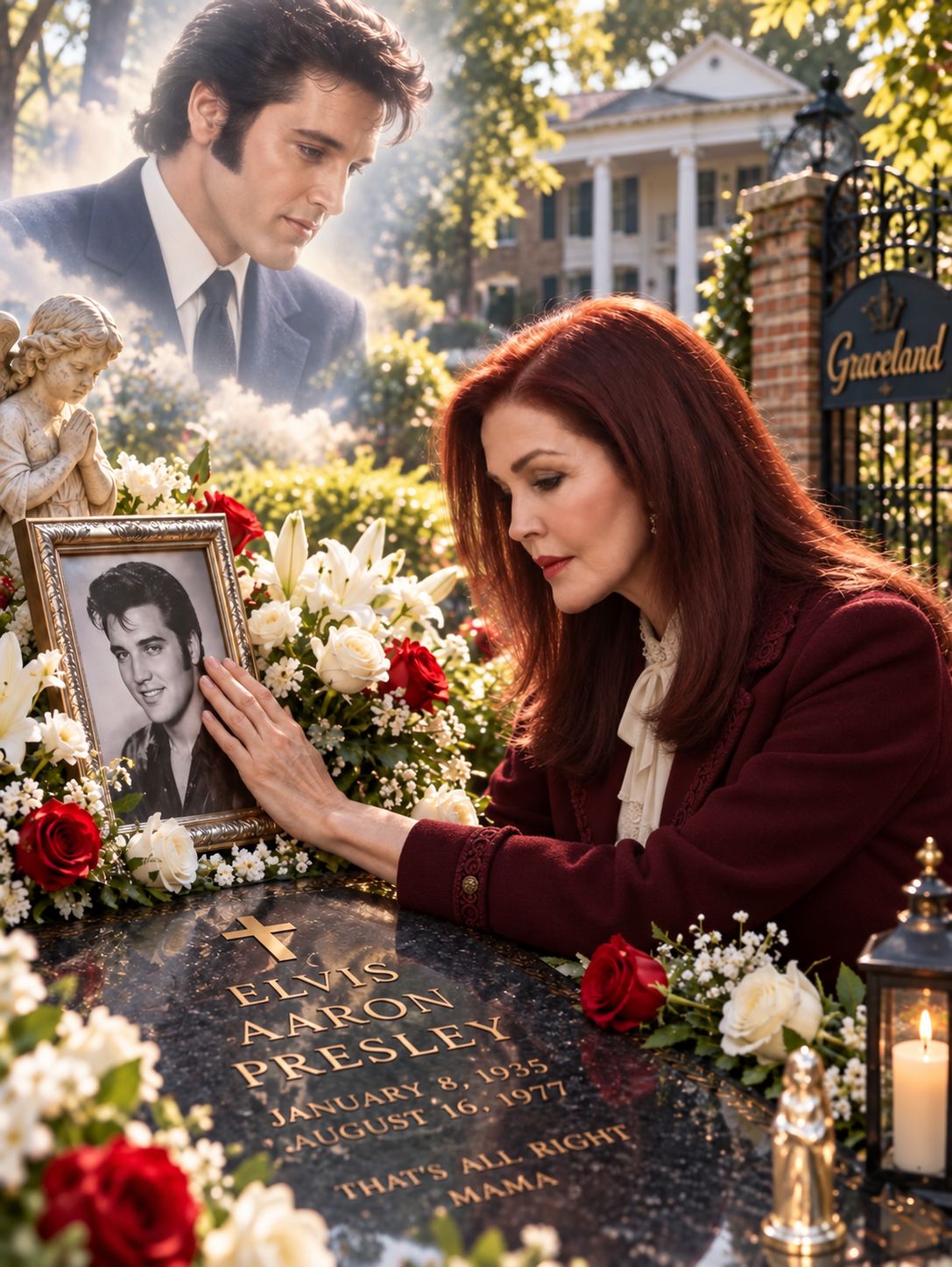
The world remembers the white jumpsuits, the screaming crowds, the voice that seemed to shake an entire generation awake. Priscilla Presley remembers all of that, too. But one image of Elvis Presley has remained especially vivid for her: Elvis singing “Unchained Melody” near the end of his life. In a 2025 interview, she described watching him inhabit the song so completely that the performance felt beautiful and painful at once. Decades later, it is still the moment she can bring clearly to mind.
At 81, Priscilla has spent much of her life answering questions about a man the public believes it knows. Fans can name his records, recall his clothes and recognize a photograph of him from across a room. They know the legend. Her memories come from a different place: a marriage, a daughter, a divorce and a friendship that continued afterward. According to Priscilla’s own account, she and Elvis remained close until his death in 1977.
That history gives her recollection of “Unchained Melody” its force. When an interviewer asked why the performance stayed with her, Priscilla spoke about the way Elvis looked and sang, and about how fully he seemed to believe the words. She did not describe a flawless show. She remembered an entertainer reaching deep into a song while his life was growing more difficult. Her description held admiration and sadness in the same breath.
For anyone who grew up with Elvis on the radio, that distinction matters. A record allows us to return to a voice at its most enduring. A late performance asks us to see the person carrying that voice. The familiar melody can bring back a younger Elvis, while the sight of him in his final years reminds us how much time had passed. Priscilla had known him long enough to feel both truths at once.
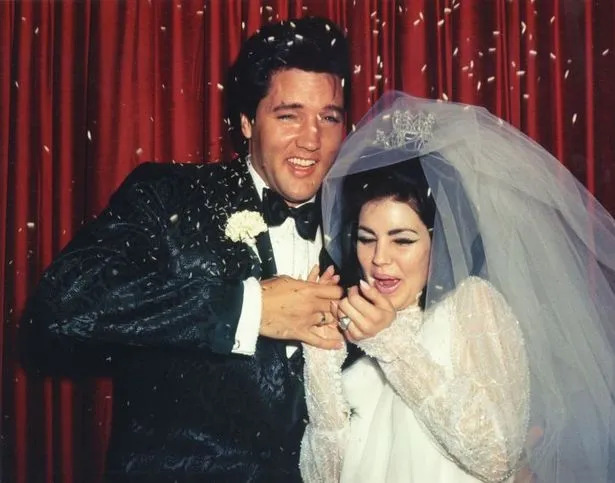
Her memories also resist the easy ending people sometimes give to famous marriages. Priscilla and Elvis divorced in 1973, yet their relationship continued. In her memoir, Softly, As I Leave You: Life After Elvis, she writes about building a life beyond Graceland and about the bond that remained between them after they separated. Leaving the marriage did not erase the affection or the years they had shared.
Then came the day that divided every Presley family memory into before and after. In a passage from her memoir, Priscilla recalls learning that Elvis had been taken to the hospital on August 16, 1977. Their daughter, Lisa Marie, was at Graceland. Priscilla hurried home to take a phone call and learned that he had died. Her account brings the enormity of a public loss down to the scale of one family waiting for news.
Graceland itself would later become one of Priscilla’s lasting responsibilities. She has said that, after Elvis and then his father Vernon died, she was warned the property might have to be sold. She refused to accept that outcome and helped find a way to preserve it. Today, visitors can walk through the home Elvis loved. What they encounter there owes something to Priscilla’s determination as well as to his fame.
Still, a preserved house cannot hold every part of a life. Rooms and photographs tell us where Elvis lived and how the world saw him. Priscilla’s recollection of that song tells us what it was like to watch someone familiar become vulnerable in front of an audience. She saw the star; she also knew the man who would leave the stage.
Perhaps that is why the memory refuses to fade. “Unchained Melody” was a performance the public could watch, but Priscilla heard it with years of shared history behind her. At 81, she can look back on the marriage, the parting and everything she built afterward. Yet in that one song, she still finds Elvis: unmistakably gifted, unmistakably human, and impossible for her to forget.