Introduction
Cliff Richard’s Hidden Sacrifices: The Elvis-Inspired Boy Who Became Britain’s First Rock Legend
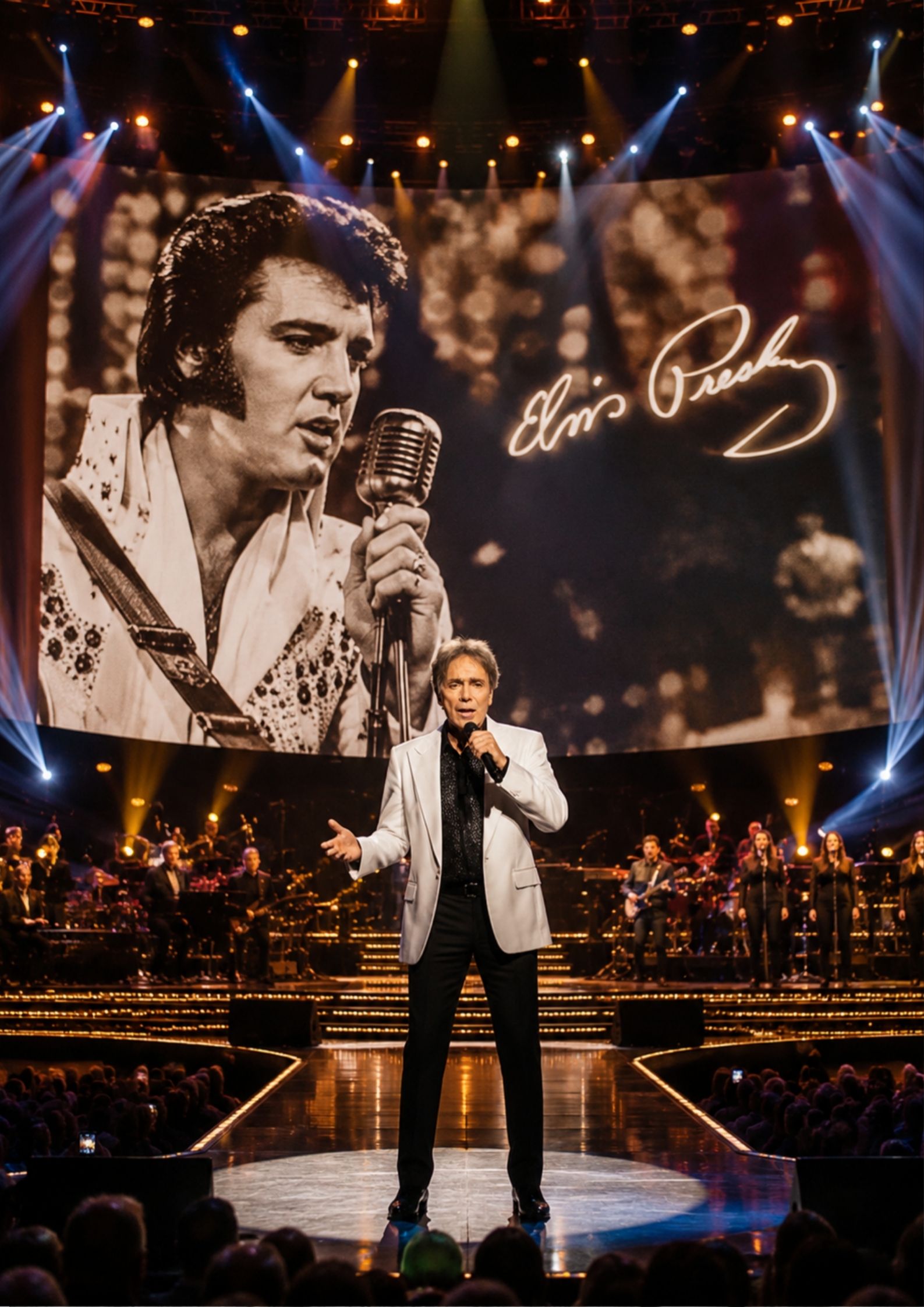
There are artists who rise because they follow the noise of their time, and there are artists who endure because they carry something deeper than fashion. Cliff Richard belongs to the second group. His life and career form one of the most extraordinary stories in British popular music — a journey shaped by migration, poverty, family duty, faith, personal sacrifice, public scrutiny, and an early encounter with the sound of Elvis Presley that changed everything. Long before he became Sir Cliff Richard, before the honors, the chart records, and the decades of applause, he was Harry Roger Webb, a young boy whose future seemed anything but certain.
Born in Lucknow, British India, in 1940, Cliff Richard entered the world during a time of political change and historical uncertainty. When his family returned to England after India’s independence, they did not step into comfort. Like many families rebuilding life in postwar Britain, they faced financial difficulty and emotional adjustment. Yet out of that unstable beginning came a restless dreamer with a natural instinct for performance. Music gave him not only excitement, but direction.
The young Harry Webb was deeply influenced by the rising power of American rock and roll. Elvis Presley, Little Richard, and Buddy Holly were not merely names to him; they represented a new language of youth, rhythm, and possibility. In Elvis especially, Cliff saw something electrifying — a performer who could make music feel physical, emotional, and unforgettable. That influence helped light the path toward his own transformation. When Harry Webb became Cliff Richard, Britain received one of its first true rock stars.

The release of “Move It” in 1958 was more than a successful single. It was a cultural moment. Often regarded as one of the first authentic British rock and roll records, it announced that Britain did not have to merely import American excitement — it could create its own. With The Shadows beside him, Cliff brought energy, style, and youthful charisma to a country still emerging from the shadow of war. For teenagers, he represented freedom. For the music industry, he represented change.
But what makes Cliff Richard’s legacy so remarkable is not simply that he became famous. It is that he kept changing. Through the 1960s, he moved from rock pioneer to household name with hits like “Living Doll,” “The Young Ones,” “Summer Holiday,” and “Bachelor Boy.” He entered film, television, and family entertainment, proving that he could reach audiences far beyond the first wave of teenage rock and roll fans. While the arrival of The Beatles changed everything around him, Cliff survived by adapting without losing his identity.
By the 1970s and beyond, he had become something even rarer: an artist capable of reinvention across generations. Songs such as “Devil Woman,” “We Don’t Talk Anymore,” and “Wired for Sound” showed a performer willing to evolve with changing times. Yet beneath the stylistic shifts remained the same disciplined, sincere, and recognizable figure — a man who understood that longevity requires both flexibility and character.
For older and more thoughtful readers, the most moving part of Cliff’s story may be the personal cost behind the public achievement. The death of his father, Roger Webb, in 1961 placed emotional and practical responsibilities on him at a young age. He became not only a rising star, but a son and brother carrying the weight of family duty. Later, his mother Dorothy Webb’s long struggle with Alzheimer’s revealed another side of him: vulnerable, devoted, and deeply human.

His romantic life also reflected sacrifice. Relationships with women such as Delia Wicks, Una Stubbs, Jackie Irving, and Sue Barker showed that affection was present, but marriage never became his path. Cliff often seemed to understand that love alone could not always overcome the demands of career, family obligation, and spiritual conviction. That choice gave his public life a quiet loneliness many fans still sense.
Faith became one of the defining pillars of Cliff Richard’s life. His Christian commitment shaped his music, public image, and personal decisions. In an industry often associated with excess, Cliff chose restraint and moral clarity. Whether admired or questioned for it, he lived according to principles he believed in, showing that fame did not have to erase conviction.
His later trials, including the highly publicized false allegations he faced and his fight for privacy, tested that integrity in painful ways. Yet Cliff responded not with collapse, but with resilience. His willingness to stand up for personal dignity strengthened the public’s understanding of him as more than a singer. He became a symbol of endurance under pressure.
And then there is Elvis Presley, the influence that never fully left him. Cliff’s admiration for Elvis was not shallow imitation. It was respect from one pioneer to another. Elvis gave him the spark, but Cliff had to build his own fire. The comparison brought pressure, yet it also helped push him toward excellence. When Elvis died in 1977, Cliff felt the loss not merely as a fan, but as an artist who understood what it meant to carry fame, faith, vulnerability, and expectation all at once.
In the end, Cliff Richard is not only Britain’s first great rock star. He is a portrait of survival — a man who turned influence into identity, hardship into discipline, and faith into a lifelong compass. His story reminds us that a lasting career is never built on applause alone. It is built on sacrifice, reinvention, and the courage to remain true to oneself when the world keeps changing.