Introduction
“HE COULDN’T HIDE THE PAIN ANY LONGER…” — ROD STEWART’S “I DON’T WANT TO TALK ABOUT IT” REVEALS A HEARTBREAKING TRUTH THAT STILL BRINGS FANS TO TEARS 50 YEARS LATER

There are songs that entertain us, songs that remind us of our youth, and then there are those rare masterpieces that seem to reach into the deepest corners of the human heart. Rod Stewart’s “I Don’t Want to Talk About It” belongs to that extraordinary final category. Nearly half a century after his unforgettable interpretation first captured the attention of music lovers, the song continues to carry an emotional power that few recordings can equal. But behind its gentle melody and Stewart’s unmistakably weathered voice lies something far more profound than an ordinary song about heartbreak. It is a deeply personal expression of love, disappointment, loneliness, and the silent suffering of a wounded heart.
For generations of listeners, Rod Stewart has represented one of the most distinctive voices in popular music. His rough-edged delivery, emotional honesty, and remarkable ability to turn simple lyrics into unforgettable experiences have made him an enduring figure in rock history. Yet even among his greatest recordings, “I Don’t Want to Talk About It” occupies a particularly special place. There is no need for dramatic musical arrangements or overwhelming vocal performances. Instead, Stewart allows the song’s delicate emotional atmosphere to do the work, delivering each phrase with a vulnerability that feels almost painfully real.
What many casual listeners may not realize is that Rod Stewart did not originally write this song. It was composed by Danny Whitten, the gifted American musician associated with Crazy Horse, and first appeared on the group’s self-titled debut album in 1971. Whitten’s life was tragically cut short in 1972, giving the composition an additional layer of poignancy for those familiar with its history. When Stewart recorded his interpretation for the 1975 album Atlantic Crossing, he brought the song to an entirely new audience, transforming it into one of the most beloved ballads of his career.
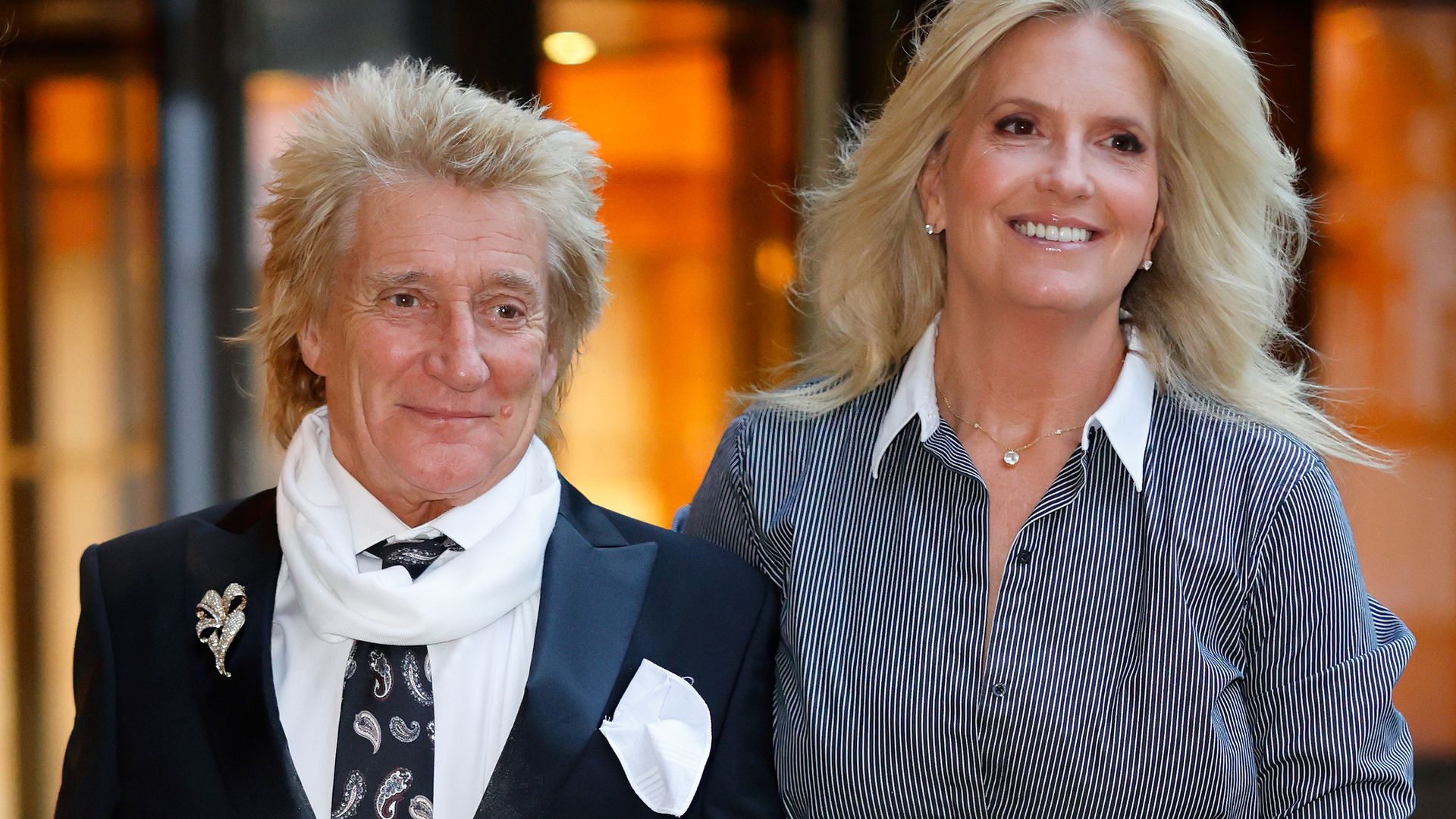
And perhaps that is where the song’s enduring mystery begins. How could a man with such a powerful, unmistakable voice make an entire generation feel the heartbreak of a song written by someone else? The answer lies not simply in Stewart’s vocal talent but in his extraordinary understanding of emotional restraint. He does not approach the song as a performer attempting to demonstrate his abilities. He sounds like someone sitting alone in a quiet room, trying to find the courage to speak about a loss that words cannot adequately explain.
The opening moments establish an atmosphere of profound emotional vulnerability. The gentle guitar accompaniment creates a sense of intimacy, while Stewart’s voice enters with an almost conversational tenderness. There is something remarkable about the way he allows each musical phrase to breathe, never rushing the melody or overwhelming its delicate meaning. His singing possesses a fragile quality that contrasts beautifully with the roughness of his natural voice. It is this combination of strength and vulnerability that makes “I Don’t Want to Talk About It” so deeply affecting.
For older American listeners, the recording often carries memories far beyond the music itself. It recalls a time when songs were discovered through radio broadcasts, vinyl records, and evenings spent listening to favorite albums with family or friends. Perhaps it brings back a first love, a difficult farewell, or a relationship that ended without the answers one desperately wanted. Others may hear it and remember someone who is no longer present, someone whose absence has become a permanent part of their lives. Great music has a remarkable ability to preserve memories that time cannot erase, and this recording demonstrates that truth with extraordinary tenderness.