Introduction
ELVIS PRESLEY’S “ALWAYS ON MY MIND”: THE QUIET APOLOGY THAT COULD NOT TURN BACK TIME

Some songs are remembered because they topped the charts, filled dance halls, or became part of a generation’s soundtrack. Others endure for a more intimate reason: they seem to reveal something the singer could not express anywhere else. Elvis Presley’s “Always on My Mind” belongs to that rare and deeply affecting category. Beneath its graceful melody lies a painful acknowledgment of emotional absence, neglected tenderness, and the terrible realization that sincere words can arrive after the moment for saving a relationship has already passed.
Elvis recorded the song in March 1972, during a period of profound change in both his public career and private life. Onstage, he remained one of the most recognizable entertainers in the world, commanding enormous audiences with an authority few performers could equal. Away from the lights, however, his marriage to Priscilla Presley was approaching its final chapter. The couple would separate that year, and their divorce would be completed in 1973. Against that background, the recording sounded less like an ordinary studio assignment and more like an apology delivered through music.
The song begins without anger, excuses, or self-protection. Its narrator does not accuse the woman who is leaving, nor does he attempt to rewrite the history of their relationship. Instead, he recognizes the small but damaging failures that can slowly weaken a bond: affection not shown often enough, reassuring words left unspoken, and ordinary moments of companionship taken for granted. “Always on My Mind” is therefore not simply about losing love. It is about understanding, perhaps too late, that feeling love internally is not the same as demonstrating it faithfully.
That distinction gives the performance its lasting emotional force. Elvis sings as though he has reached the lonely hour when explanations no longer matter and memory becomes impossible to escape. His voice is controlled, but the control never feels cold. There is a slight weariness in his phrasing, a restrained sorrow suggesting that the narrator has replayed his mistakes repeatedly and now understands their consequences more clearly than he did when change was still possible.
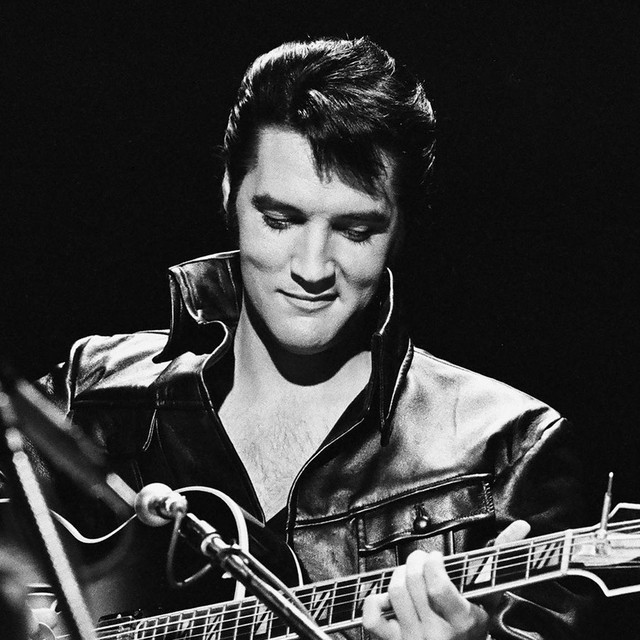
For a performer known throughout the world as “The King,” this vulnerability was remarkable. Elvis had spent years surrounded by applause, admiration, luxury, and constant public attention. Fans viewed him as a symbol of confidence, charisma, and nearly unimaginable success. Yet the song quietly exposes the limits of all those achievements. A man could be loved by millions and still fail to make one person within his own home feel sufficiently seen, valued, or emotionally secure.
This contradiction stands at the center of the recording. Elvis possessed the power to stop an audience with a single movement, but he could not stop time from carrying his marriage toward separation. He could transform another songwriter’s words into an unforgettable performance, but artistic beauty alone could not repair every private wound. Fame could fill an arena, but it could not guarantee peace at home, and public devotion could not replace the daily patience required by a lasting relationship.
The composition was written by Wayne Carson, Johnny Christopher, and Mark James, three respected songwriters whose work helped shape American popular and country music. Elvis was not the first singer to record it, and he would not be the last. Brenda Lee recorded an early version, and Willie Nelson later turned the song into one of the defining performances of his own career. Each interpretation carried a different emotional character, but Elvis brought an unmistakably personal sense of weariness and regret to the lyrics.
His version was released in 1972 in association with “Separate Ways,” another recording strongly connected in the public imagination with the ending of his marriage. Together, the songs seemed to offer listeners a window into a private world that had previously remained hidden behind Graceland’s gates, carefully managed appearances, and the glittering costumes of his live performances. Although no listener can know exactly what Elvis was thinking inside the recording studio, the timing made it nearly impossible to separate the music from the circumstances surrounding him.
That does not mean the song should be treated as a literal diary entry. Elvis did not write the lyrics, and great singers often inhabit stories that are not entirely their own. Nevertheless, interpretation becomes powerful when a performer’s real experience appears to meet the emotional truth of a song. In “Always on My Mind,” Elvis sounds less like an actor portraying regret and more like a man who recognizes it.

The arrangement wisely avoids overwhelming the confession. Rather than building toward a grand display of vocal power, the recording allows the words to remain central. Elvis does not need the explosive drama associated with some of his concert performances. His restraint becomes the drama. The quietness of the delivery makes every admission feel more personal, as though the listener has entered a room where a proud man is finally saying what he had once been unable to say.
Behind the famous image was an individual whose life had become increasingly difficult to manage. The demands of touring, recording, business obligations, public expectations, and a large personal entourage created an existence in which genuine privacy was nearly impossible. The more celebrated Elvis became, the harder it may have been for him to maintain ordinary relationships built on time, attentiveness, and honest conversation. The legend continued to grow while the man beneath it became increasingly isolated.
This is one reason the song continues to resonate so deeply. Its message is not limited to celebrities, broken marriages, or the unique pressures of fame. It speaks to anyone who has assumed that love would remain secure without regular care. Many people have postponed an apology, overlooked a loved one’s loneliness, or believed there would always be another day to say what mattered. The song reminds us that love cannot survive on silent intentions alone. It must be expressed through presence, consideration, kindness, and the willingness to notice another person’s needs before distance becomes permanent.
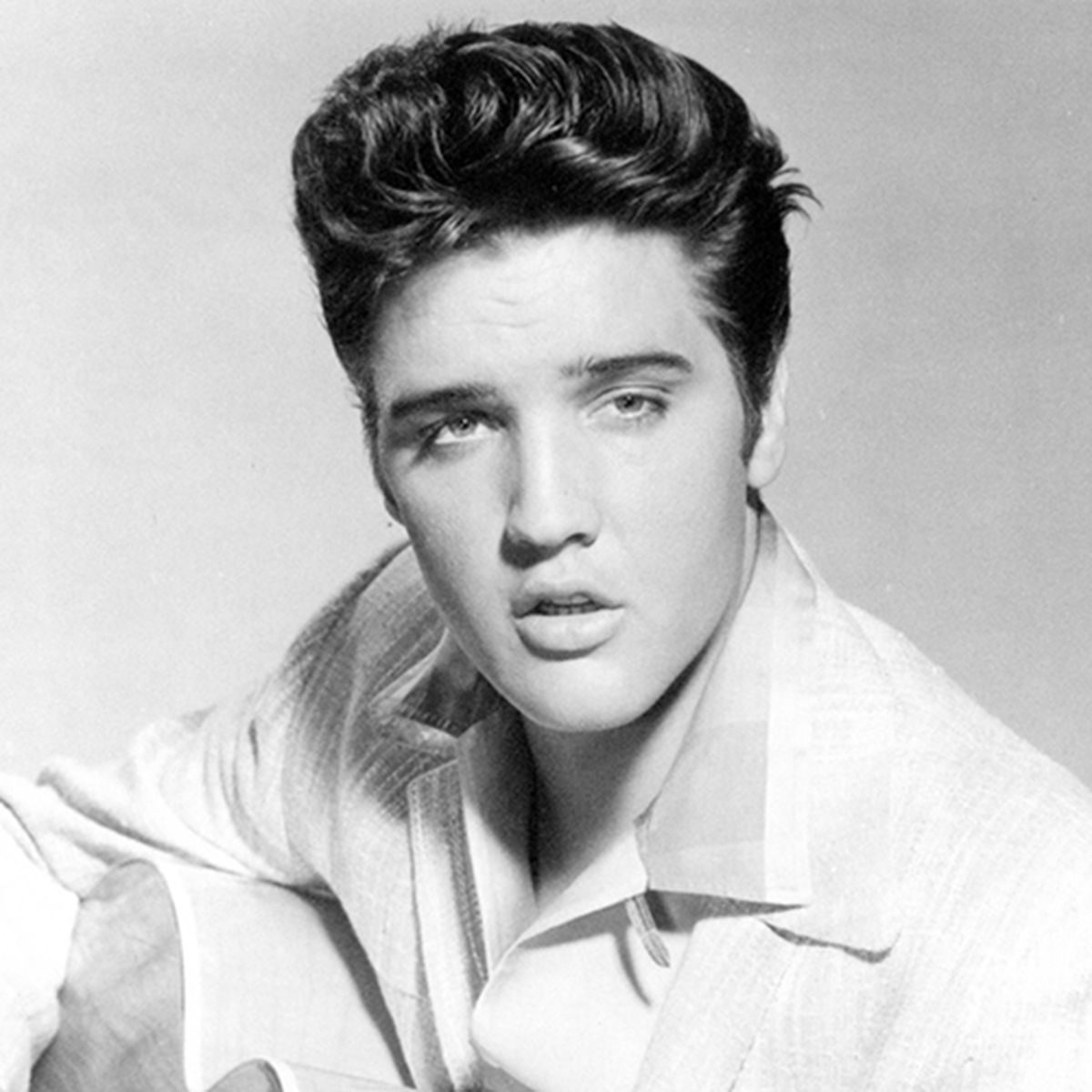
Older listeners may hear the recording with particular clarity because time often changes the way regret is understood. In youth, people may imagine that damaged relationships can always be repaired later. With age comes the knowledge that some opportunities do not return. Doors close, circumstances change, and people learn to live without the words they once hoped to hear. “Always on My Mind” captures that sobering truth without bitterness, allowing sorrow and affection to exist together.
Elvis Presley died on August 16, 1977, at only 42 years old. Because his life ended so early, many of his most reflective recordings now seem to carry an additional weight. Listeners know that he would never grow old enough to look back publicly on every choice, reconcile every contradiction, or explain the private feelings behind each performance. The song consequently sounds like part of an unfinished farewell, preserved forever in the voice of a man who had conquered nearly every stage placed before him but could not escape the ordinary human consequences of lost time.
The enduring greatness of Elvis Presley’s “Always on My Mind” comes from its refusal to offer an easy resolution. The narrator admits his failures, confirms that his love was real, and asks for another chance, but the song never guarantees that forgiveness will come. That uncertainty is what makes it honest. Apologies can be sincere without being sufficient, and regret can be profound without restoring what has been lost.
In the end, “Always on My Mind” was more than a love song. It became a quiet meditation on the distance between devotion and action, between the words held inside the heart and the words another person actually hears. Elvis could make sorrow sound beautiful, but even the most beautiful performance could not command the past to return. For all his fame, influence, and extraordinary talent, he remained vulnerable to the same painful truth that follows countless ordinary lives: sometimes we understand the value of love most clearly only after we have failed to protect it.
That is why the recording still feels so personal decades later. It does not merely ask listeners to remember Elvis Presley as an icon. It asks them to recognize the lonely human being behind the legend—and perhaps to speak their own important words before they, too, arrive too late.
Video
https://www.youtube.com/channel/UCTLuaC9jOEHoMcm5gHTfoaA