Introduction
The Charley Pride Movie Hollywood Never Finished: The Country Legend Whose Life Was Bigger Than Any Screen
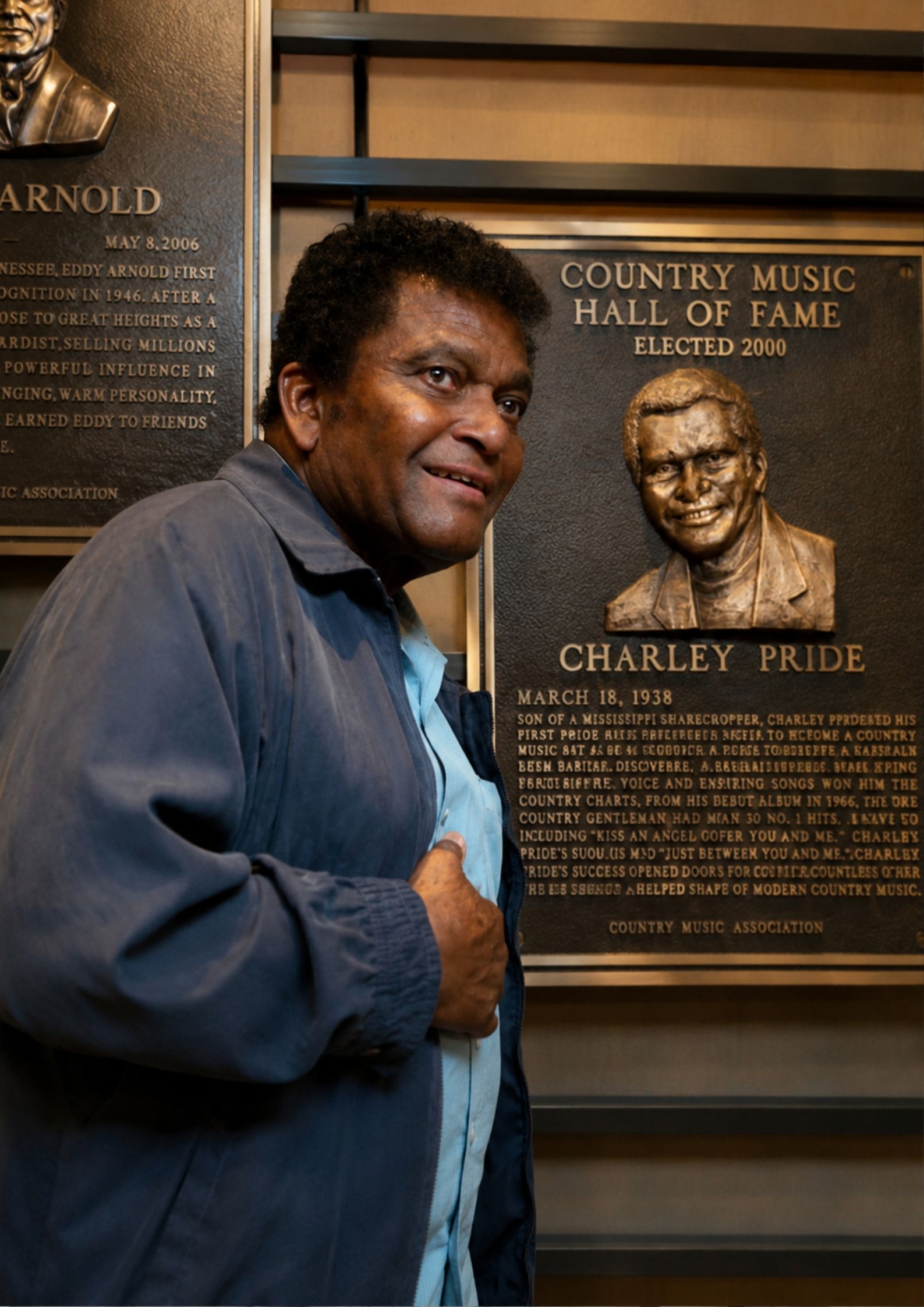
Hollywood has always loved the lives of music icons. The rise, the struggle, the stage lights, the private battles, and the final applause all seem made for the screen. We have seen films about Ray Charles, Elvis Presley, James Brown, and other giants whose stories were filled with talent, hardship, and unforgettable music. But one of the most extraordinary stories in American entertainment still waits for its full cinematic moment: the life of Charley Pride. In truth, his journey may be one of the most powerful stories country music has ever produced, not because it follows a familiar path, but because it defies nearly every expectation placed before him.
Charley Pride was not simply a successful singer. He was a barrier-breaker, a gentleman, a former athlete, a son of Mississippi sharecroppers, and a man whose voice carried him into places that history had not easily opened. Born in Sledge, Mississippi, in 1934, he grew up in a poor family as one of eleven children. Long before the awards, the chart-topping records, and the standing ovations, he learned the meaning of hard work, patience, and perseverance. These qualities would later shape not only his career, but the quiet dignity with which he carried himself in public life.
Before country music made him famous, Charley Pride chased another American dream: baseball. As a young man, he played as a pitcher in the Negro American League, later spending time in minor league systems connected to major baseball organizations. That chapter alone would make for a compelling film. But his life was never limited to one dream. After serving in the Army, he returned to baseball, then gradually turned more seriously toward music. And not just any music — country music. In the late 1950s and early 1960s, that choice carried enormous difficulty for a Black artist. The odds were not merely long; they seemed almost impossible.

Yet Charley Pride had something no prejudice could silence: a voice. His warm baritone did not ask for permission. It simply reached people. When he eventually signed with RCA Records, the label understood his talent, but also feared how some listeners might react when they learned he was Black. For a time, his records were released without his picture. He was introduced as “Country Charley Pride,” and many radio listeners had no idea what he looked like. They only knew what they heard — and what they heard was extraordinary.
When “Just Between You and Me” became a major hit in 1966, it marked the beginning of something historic. The song opened the door to a remarkable run of success, including beloved classics such as “Kiss An Angel Good Mornin’.” But the deeper story was not just the number of hits. It was what those hits represented. Charley Pride was entering homes, radios, dance halls, and concert stages across America during the civil rights era, at a time when the nation was struggling with division, change, and painful questions about equality. His music did not arrive as a protest speech. It arrived as a song. And sometimes a song can soften a heart before an argument ever begins.
One of the most memorable parts of Pride’s story is how he handled audiences when they first saw him in person. He knew some people were surprised. He understood the moment clearly. With humor and grace, he would reportedly tell crowds, “I don’t look like I sound, do I?” That line says so much about the man. He did not meet uncertainty with bitterness. He met it with confidence, charm, and a voice that quickly made the room forget its assumptions. Once he started singing, the music spoke for itself.
That is why the story of Charley Pride still deserves to be told on a grand scale. His life contains everything a great film needs: poverty, ambition, baseball, military service, rejection, risk, courage, humor, faith, history, and triumph. But more than that, it contains moral weight. He became a country star when many people believed such a thing could not happen. He did not break through by changing who he was. He broke through by standing firmly in his gift.

His achievements remain monumental. Charley Pride became a member of the Grand Ole Opry, was inducted into the Country Music Hall of Fame in 2000, received a star on the Hollywood Walk of Fame, and earned the love of fans across the world. He performed on some of the biggest stages imaginable, yet he never seemed to lose the plainspoken humility that made people feel close to him. He carried fame without arrogance and history without self-pity.
The unfinished movie about his life feels almost symbolic. Hollywood often celebrates stories after the world has already agreed they matter. But Charley Pride’s story mattered while he was living it. It mattered every time a listener heard his voice before knowing his face. It mattered every time he walked onto a stage and turned surprise into applause. It mattered every time he proved that country music was large enough to hold his story, his sound, and his truth.
In memory of Charley Pride, 1934–2020, we are reminded that some lives are too important to remain in the margins. His story is not only a country music story. It is an American story. It is about talent meeting resistance, grace meeting doubt, and one man’s voice traveling farther than anyone expected. Hollywood may still owe him the film he deserved, but country music already knows the ending: Charley Pride did not just make history. He sang his way into it.