Introduction
The Man Behind “The Gambler” Never Chased Fame—Yet Don Schlitz Quietly Wrote the Heartbeat of Country Music for Half a Century
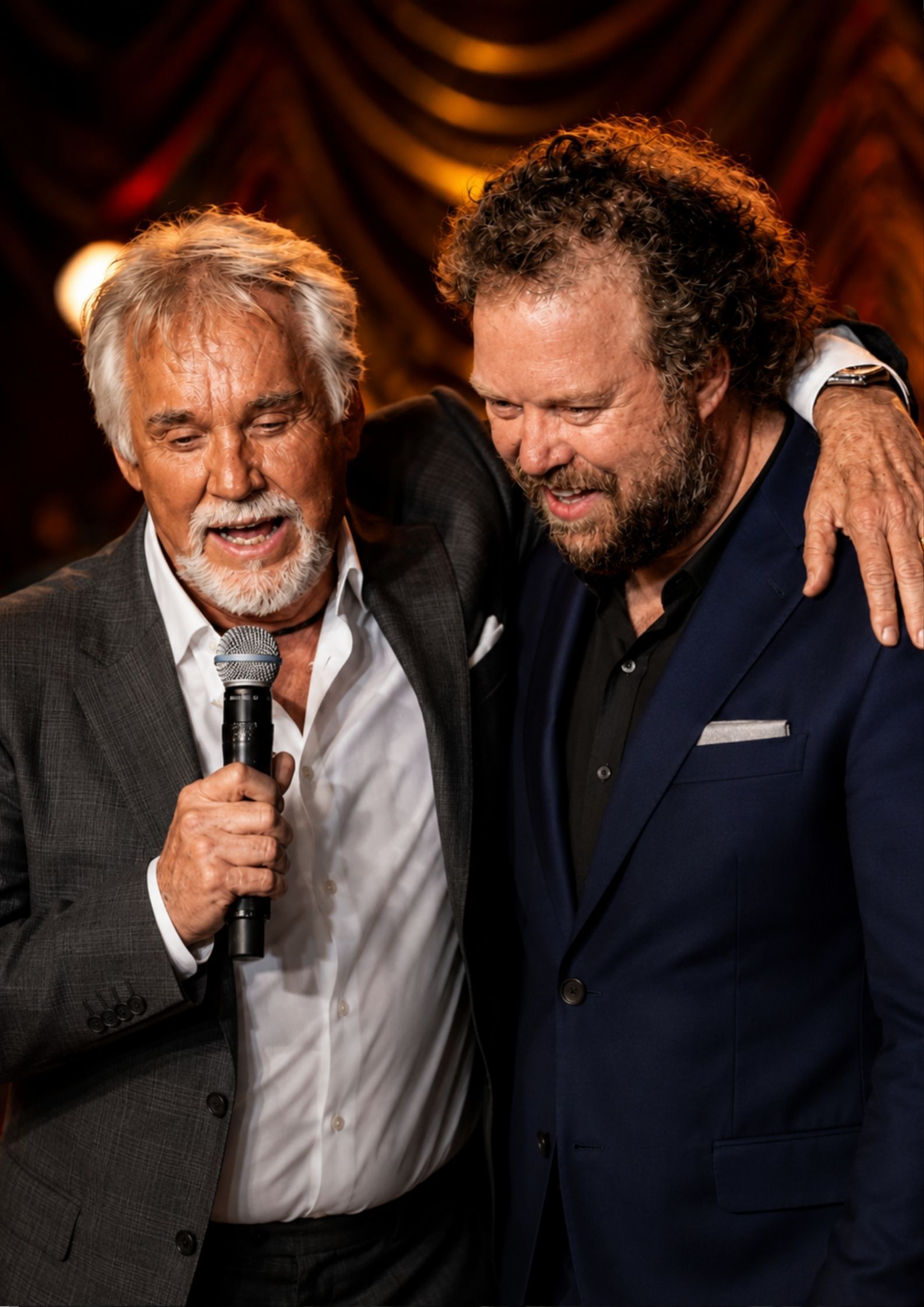
For generations of country music fans, Kenny Rogers will forever be remembered holding a deck of cards in “The Gambler,” delivering life lessons that became part of American culture. Yet behind those unforgettable words stood a young songwriter few people recognized at the time: Don Schlitz. He was only 23 years old when he wrote the song that would become one of the most iconic recordings in country music history. He was not a superstar, not an industry giant, and certainly not a household name. He was simply a gifted storyteller sitting in Nashville with a notebook, an imagination, and a remarkable ability to turn ordinary conversations into songs that felt timeless. Decades later, millions can still sing every word of “The Gambler,” yet many never realized whose pen first gave those words life.
That quiet contrast defines the extraordinary legacy of Don Schlitz. While countless performers stood beneath the spotlight, Schlitz remained content to stand behind it. His greatest ambition was never celebrity. It was craftsmanship. He believed that a truly great country song should feel less like a performance and more like someone sitting across the table telling an honest story. That philosophy shaped not only his own career but also the sound of modern country music itself.
When Don Schlitz arrived in Nashville, he entered a city overflowing with talented writers hoping to place songs with established artists. Success was far from guaranteed. Every publishing office held stacks of lyrics waiting to be heard. Every songwriter believed they had something worth saying. Yet Schlitz possessed a rare gift that immediately separated him from many of his peers. He understood that simplicity often carries the deepest emotional power. Instead of writing complicated poetry, he wrote songs ordinary people could immediately understand while discovering new meaning each time they heard them.
That gift became unmistakable with “The Gambler.” At first glance, it appears to be a conversation between two strangers aboard a train. But beneath its memorable chorus lies something much larger. The famous advice about knowing “when to hold ’em, when to fold ’em, when to walk away, and when to run” gradually became more than song lyrics. They entered everyday language. Parents repeated them to children. Friends quoted them during difficult decisions. Business leaders, athletes, and ordinary families found wisdom inside a country song written by a young man who simply understood human nature.
When Kenny Rogers recorded “The Gambler,” his unmistakable voice transformed the composition into an international classic. Rogers deserved every bit of recognition he received, yet the brilliance of the recording rested equally upon the writing itself. Without Don Schlitz, there would have been no unforgettable gambler, no timeless conversation aboard that train, and no life lessons that continue inspiring listeners nearly half a century later.
Remarkably, “The Gambler” represented only the beginning.
Throughout the following decades, Don Schlitz quietly assembled one of the most extraordinary songwriting catalogs in country music history. His pen helped define the golden era of artists whose recordings continue filling radio stations, playlists, and family gatherings today. Randy Travis brought emotional honesty to “On the Other Hand” and enduring devotion to “Forever and Ever, Amen.” Keith Whitley gave unforgettable tenderness to “When You Say Nothing at All.” Artists including The Judds, Tanya Tucker, and Mary Chapin Carpenter each found songs that allowed listeners to recognize pieces of their own lives.
That may be Schlitz’s greatest achievement.
His songs never belonged entirely to the performers.
They belonged to the listeners.
Country music has always thrived because it speaks directly to everyday experience. It celebrates love, heartbreak, family, resilience, faith, forgiveness, and ordinary people trying to make sense of complicated lives. Don Schlitz understood that responsibility perhaps better than almost anyone. His characters felt believable because they resembled neighbors rather than celebrities. His stories carried wisdom without sounding preachy. His lyrics respected listeners enough to leave room for their own memories and interpretations.
For older audiences especially, this quality explains why his work continues to resonate. Many people associate Schlitz’s songs with milestones that shaped their own lives: weddings, military service, difficult conversations, family road trips, quiet evenings, retirement celebrations, and moments of personal reflection. Great country songs become companions across decades, and few writers created companions more faithfully than Don Schlitz.
Recognition eventually arrived from the music industry, but even those honors seemed secondary compared with the lasting emotional impact of his work. Fellow songwriters admired his craftsmanship. Performers trusted his instincts. Fans loved songs whose creator they often never realized they already knew by heart.
Then, on April 16, 2026, news spread that Don Schlitz had passed away at the age of 73 following a sudden illness. For many listeners, the announcement prompted an unexpected realization. They began looking back through decades of favorite recordings and discovering just how often his name appeared in the songwriting credits. It felt almost impossible that one quiet man had written so many songs that became woven into the soundtrack of American life.
Perhaps that is the most fitting tribute of all.
Some artists become famous because audiences remember their faces.
Some become legends because audiences remember their voices.
But the rarest creators become timeless because audiences unknowingly carry their words throughout an entire lifetime.
Don Schlitz belonged to that remarkable group.
The world may always picture Kenny Rogers holding the cards in “The Gambler.”
But country music will forever remember that Don Schlitz was the storyteller who quietly dealt them.
And through those songs, he gave generations of listeners something even more valuable than hit records.
He gave them wisdom they could keep long after the music faded.