Introduction
WHEN THE WORLD STOPPED TO HEAR ELVIS: How “Welcome to My World” Turned Aloha from Hawaii From a Global Spectacle Into One of the King’s Most Intimate Moments
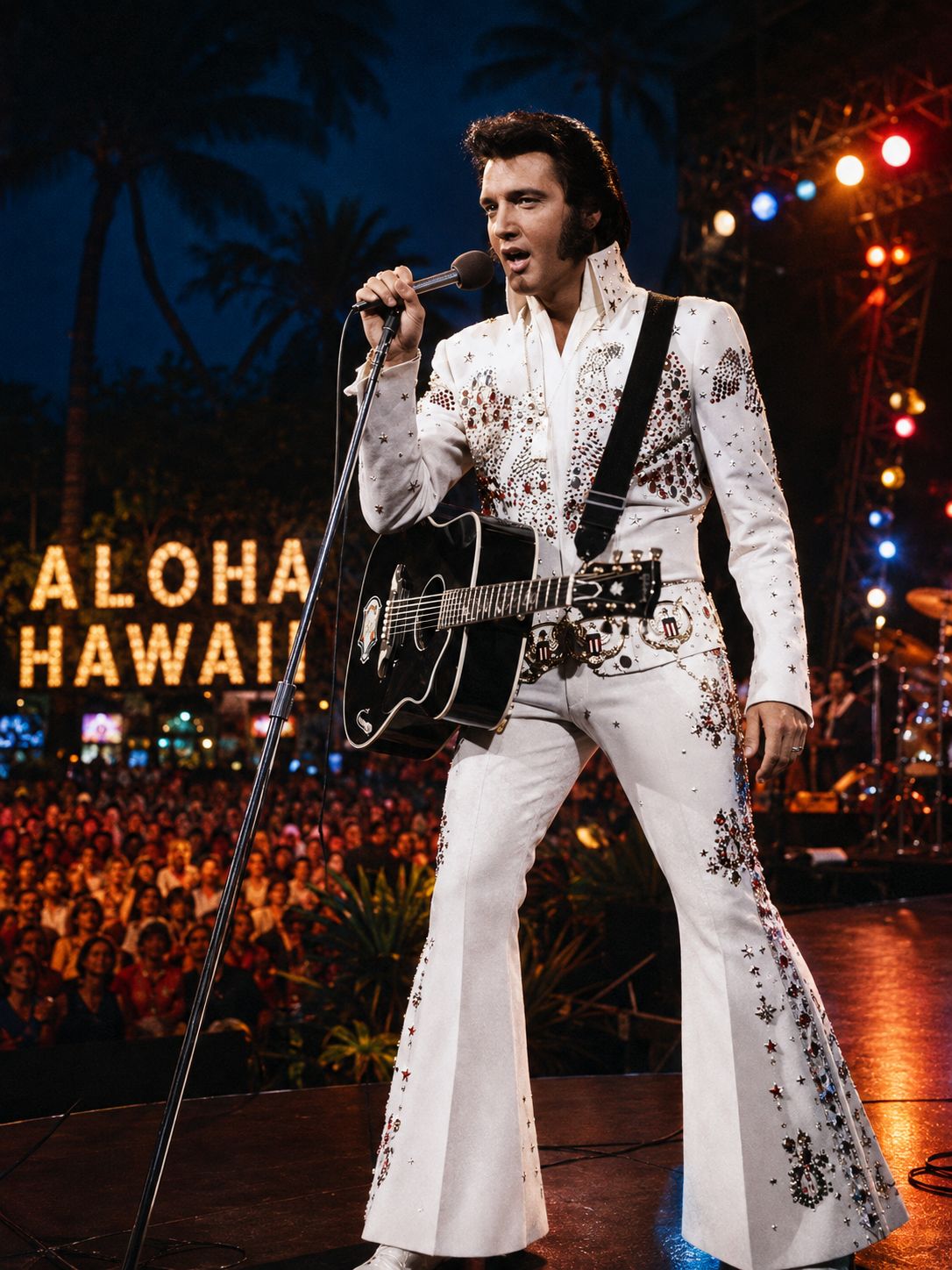
On January 14, 1973, Elvis Presley walked onto a stage in Honolulu carrying an almost impossible burden of expectation. The production surrounding Aloha from Hawaii via Satellite was enormous, the international attention extraordinary, and the image being presented to viewers around the world was unmistakably grand. Yet one of the evening’s most enduring moments did not depend on spectacle at all. It arrived when Elvis settled into the gentle, welcoming melody of “Welcome to My World.” Suddenly, the enormous television event seemed to shrink. The cameras, the elaborate stage, the famous jumpsuit, and the worldwide audience became secondary to something much simpler: a singer addressing listeners as though they had entered a quiet room with him.
That contrast is essential to understanding why “Welcome to My World” remains such a memorable part of the Aloha performance. The concert was designed to demonstrate scale. Elvis was already one of the most recognizable entertainers on earth, and this television production presented him not merely as an American star but as an international figure whose music could cross national and cultural boundaries. There were dramatic introductions, powerful arrangements, a large ensemble, and the unmistakable sense that viewers were witnessing an event rather than an ordinary concert. But the genius of the program was that Elvis could interrupt all that grandeur simply by lowering the emotional temperature of the room.
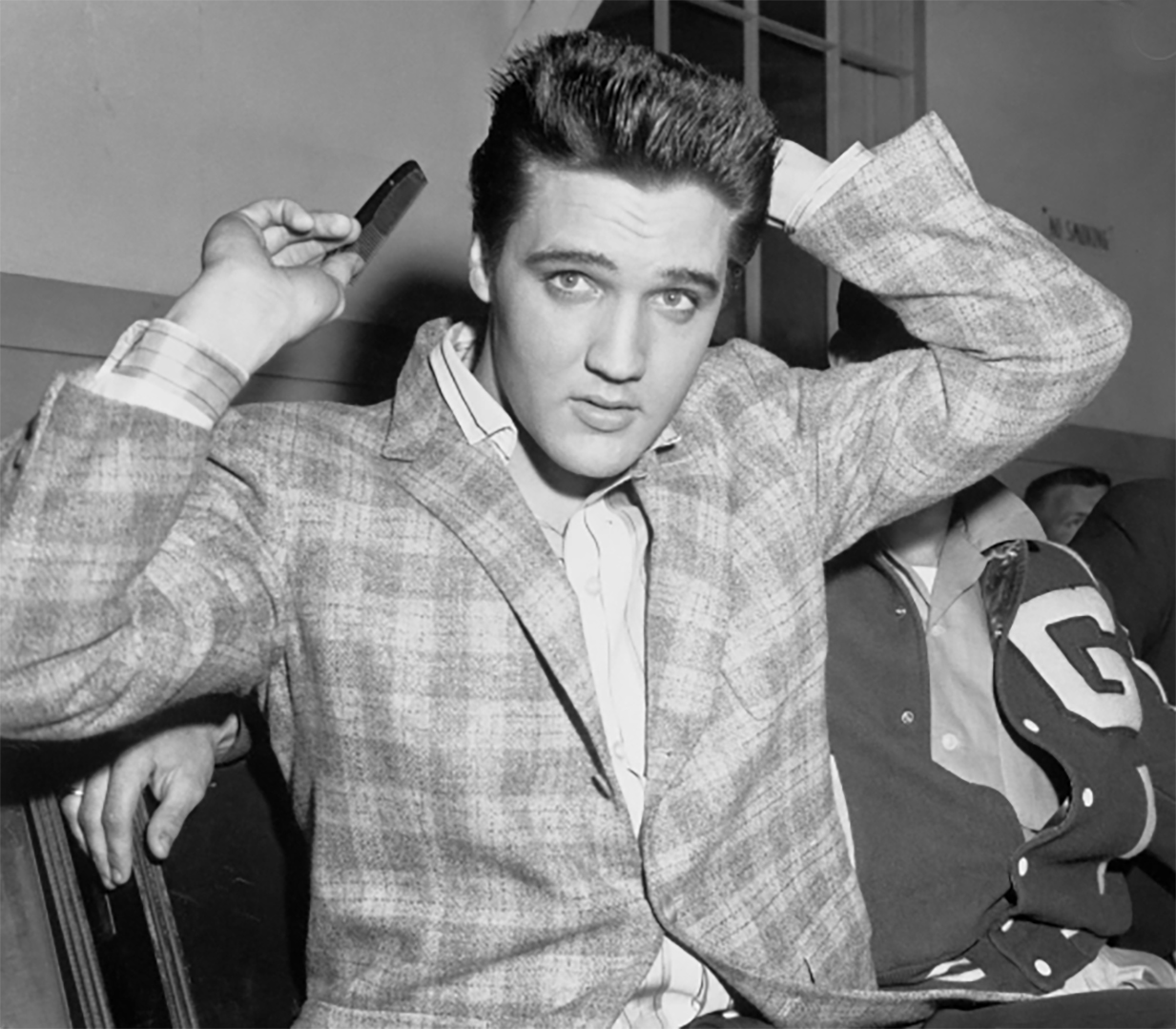
“Welcome to My World” was perfectly suited to that purpose. Written by Ray Winkler and John Hathcock, the song had already been associated with country music before Elvis made it part of his stage repertoire. Its language is uncomplicated, almost conversational, built around the idea of opening a door and inviting someone into a private emotional space. In the hands of a lesser performer, such simplicity might have felt ordinary. Elvis understood that the song required restraint. Rather than trying to overpower it, he allowed the melody to breathe, singing with warmth and control while the arrangement supported him rather than competing for attention.
That restraint mattered because the Elvis of 1973 was no longer the young performer who had first startled American television audiences in the 1950s. He was nearly eighteen years removed from his earliest national breakthrough, and his voice had matured into a richer instrument. The youthful urgency remained available when he needed it, but there was now greater depth in the lower register and a more deliberate approach to phrasing. “Welcome to My World” gave him an opportunity to use those qualities without theatrical excess. He sounded not like a man trying to prove that he was still famous, but like a seasoned singer confident enough to let stillness carry the emotion.
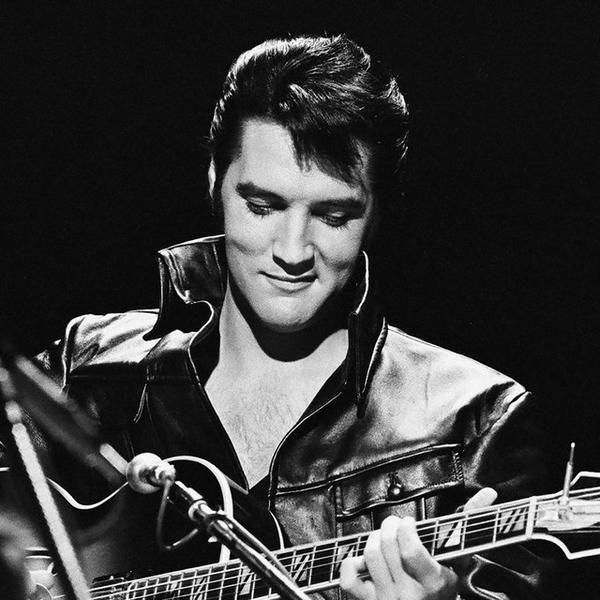
For longtime admirers, that distinction is important. Elvis is often remembered through the most spectacular images of his career: the early television appearances, the black leather of the 1968 Comeback Special, the white jumpsuits, the enormous Las Vegas engagements, and the dramatic concert finales. Those images are unforgettable, but they can obscure another element of his artistry. Elvis could be extraordinarily effective when he became quiet. His ability to soften his delivery, draw the audience inward, and make a familiar song feel personal was one of the qualities that separated him from performers who depended entirely on excitement.
During Aloha from Hawaii, this quieter side became especially meaningful because of everything surrounding it. The concert included performances capable of filling an arena with tremendous energy, including “Burning Love,” “Steamroller Blues,” “An American Trilogy,” “Suspicious Minds,” and many of the familiar songs audiences expected from Elvis. The musical program moved between rock and roll, country, gospel-influenced material, contemporary balladry, and grand dramatic arrangements. Against that broad musical canvas, “Welcome to My World” functioned almost like an open window.
The song also suited the unusual relationship Elvis had with his audience. By 1973, many people felt they already knew him. They had watched him grow from a young Southern singer into one of the defining figures of twentieth-century popular culture. His photographs had appeared everywhere, his records had entered millions of homes, and his films had made his face familiar even to people who did not follow popular music closely. Yet celebrity creates distance as easily as familiarity. The larger Elvis became as an icon, the harder it was for audiences to imagine the private man behind the image.
That is why the phrase “Welcome to My World” carried such unusual resonance when sung by Elvis. For a few minutes, the title seemed almost to describe what the entire television production was attempting to do. Viewers were being invited into his musical world: the country songs he loved, the gospel influences that shaped him, the rock-and-roll numbers that made him famous, the grand ballads that increasingly defined his mature concerts, and the emotional directness that had always remained at the heart of his singing.