Introduction
THE NIGHT NEW YORK BOWED TO ELVIS: Inside the Madison Square Garden Triumph That Proved the King Could Still Command an Entire City
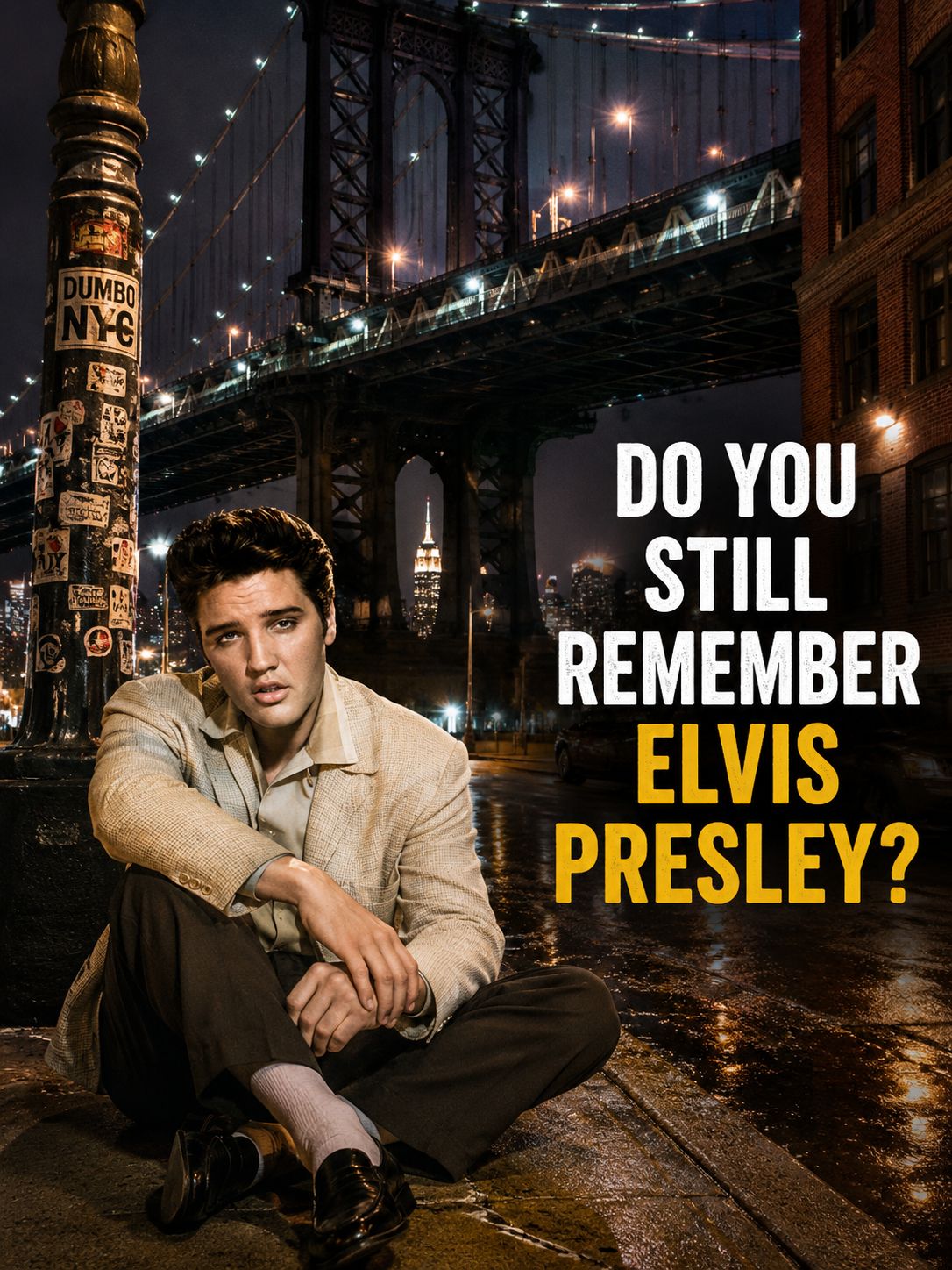
There are concerts that become famous because of what happened onstage, and then there are nights that seem to change the meaning of a performer’s entire career. When Elvis Presley arrived at Madison Square Garden in June 1972, he was not simply another star passing through New York. He entered one of the most demanding entertainment capitals in the world carrying nearly two decades of expectation on his shoulders. The city had seen legends, innovators, and cultural revolutions come and go, yet when Elvis finally stepped into the Garden beneath the lights, the reaction was overwhelming. The roar that greeted him was more than applause. It was recognition. The King of Rock and Roll had come to New York, and New York was ready to surrender.
By 1972, Elvis was already a figure of extraordinary historical importance. The young singer who had transformed popular culture in the 1950s was now a mature performer with a vast catalogue, a commanding stage presence, and an audience that crossed generations. Yet his career had also traveled through dramatic changes. The years of Hollywood films had kept his face before the public, but they had distanced him from the immediate electricity of live performance. His celebrated return to television in 1968 reminded the world of the force that remained beneath the famous image, and the concert years that followed restored Elvis to the arena stage with astonishing power.
Still, Madison Square Garden represented something different. New York was not an easy city to impress, and the Garden carried a reputation as a place where reputations could either be confirmed or exposed. Elvis had never before performed a public concert in New York City on this scale, which made the engagement feel almost like an unanswered question hanging over his career. Could the performer who had conquered America in the 1950s still dominate the center of American culture nearly twenty years later?

The answer came the moment he appeared.
Across four sold-out performances between June 9 and June 11, 1972, Elvis commanded the arena with a confidence that combined discipline, humor, elegance, and sheer vocal authority. Photographs from the engagement capture him in some of the most recognizable stage clothing of his career, standing beneath the Garden lights with the unmistakable posture of a man who understood exactly what thousands of people had come to see. Yet the performances themselves reveal something more complicated than an icon simply repeating his past. Elvis was continuously reshaping the material, moving between the explosive energy of his early hits and the grander, more emotionally demanding songs that had come to define his later stage years.
The set lists told the story of an artist refusing to remain trapped in one decade. “That’s All Right,” “Hound Dog,” “Love Me Tender,” and other familiar numbers reminded audiences of the seismic cultural impact of the young Elvis, but songs such as “An American Trilogy,” “You’ve Lost That Lovin’ Feelin’,” “Suspicious Minds,” and “The Impossible Dream” revealed the larger dramatic scale his concerts had acquired. Elvis was no longer simply the rebellious newcomer who had shocked television audiences. He had become an interpreter capable of turning a vast arena into something unexpectedly intimate.
That contrast was essential to the power of the Madison Square Garden shows. At one moment, Elvis could provoke an eruption simply by moving into the opening bars of an old favorite. Moments later, the atmosphere could change completely as he approached a ballad with restraint and concentration. His finest performances from this period demonstrate why audiences responded so strongly to him even when they already knew every song. Elvis rarely treated the material as museum pieces. He bent phrases, changed emphasis, and allowed the energy of the room to influence the performance.

The musicians surrounding him were equally important. His touring ensemble included accomplished players and backing vocalists who understood how to follow the sudden shifts in his delivery. The arrangements could move from a small rhythmic pulse to a massive orchestral climax within moments. At Madison Square Garden, that musical machinery became part of the spectacle without overwhelming the man at its center. Elvis could stand almost motionless beneath a spotlight and still seem to control the entire arena.
For older listeners who remember 1972, the significance of these concerts goes beyond simple nostalgia. America itself was changing rapidly. The optimism and rebellion of the previous decade had given way to a more complicated national mood. Musical styles were evolving, younger performers were emerging, and the cultural landscape that Elvis had helped create was now crowded with new voices. In such an environment, remaining relevant was never guaranteed.
Yet Elvis did more than remain relevant. He demonstrated that the emotional connection between performer and audience had deepened rather than disappeared.
The famous New York press conference surrounding the engagement also revealed a different side of Elvis Presley. Sitting before reporters, he appeared relaxed, witty, and surprisingly self-aware. Questions came about his career, his image, and the mythology that had accumulated around him. Elvis answered with a combination of humor and modesty, occasionally seeming amused by the scale of the attention. The contrast between the composed man facing journalists and the commanding performer who would soon face thousands of spectators only added to the fascination.
But no interview could explain what happened once the arena lights went down.
When the introduction began and Elvis entered the Garden, years of history seemed to collapse into seconds. Older fans were seeing the figure who had changed their youth. Younger spectators were encountering a performer whose influence they had inherited even if they had not experienced his original rise firsthand. The audience was not responding merely to celebrity. It was responding to continuity—the realization that Elvis had survived changing fashions without surrendering the fundamental qualities that made him compelling in the first place.