Introduction
THE NIGHT 3.5 MILLION PEOPLE FILLED COPACABANA—How Rod Stewart Turned a London Dream into Rock History

On the final evening of 1994, the shoreline of Copacabana Beach became something more than one of the world’s most famous coastal landmarks. Beneath the summer sky of Rio de Janeiro, an immense human tide gathered beside the Atlantic Ocean, filling the sand and surrounding streets with anticipation. At the center of that extraordinary scene stood Rod Stewart, the unmistakable British singer whose weathered voice had already travelled through more than two decades of changing musical history.
When Stewart performed “Maggie May” from the enormous beachfront stage, the song no longer belonged only to the young North London singer who had recorded it in 1971. It had become part of the shared memory of millions. Guinness World Records recognizes the event, held on December 31, 1994, as the largest attendance for a free concert, listing an estimated crowd of 3.5 million people. The figure is remarkable, although Guinness also notes that some of those present had come primarily for Rio’s celebrated New Year’s Eve fireworks rather than the concert alone.
That qualification does little to diminish the scale of what happened. Even allowing for the traditional holiday gathering, the sight of millions assembled while Stewart’s voice carried across the Brazilian coastline remains one of the most extraordinary images in live-music history. For an artist who had begun with small clubs, uncertain opportunities, and no guarantee of lasting recognition, Copacabana represented the almost unimaginable distance between an ordinary beginning and global fame.
The contrast is made even more striking by one of the most frequently repeated stories from Stewart’s youth. For years, biographies described him as a former gravedigger at London’s Highgate Cemetery, creating an appealing image of a young man rising from the cemetery grounds to the world’s greatest stages. Stewart later clarified in his autobiography that the legend had been greatly exaggerated. He had worked there for only a couple of Saturdays, measuring burial plots and marking them with string rather than actually digging graves.
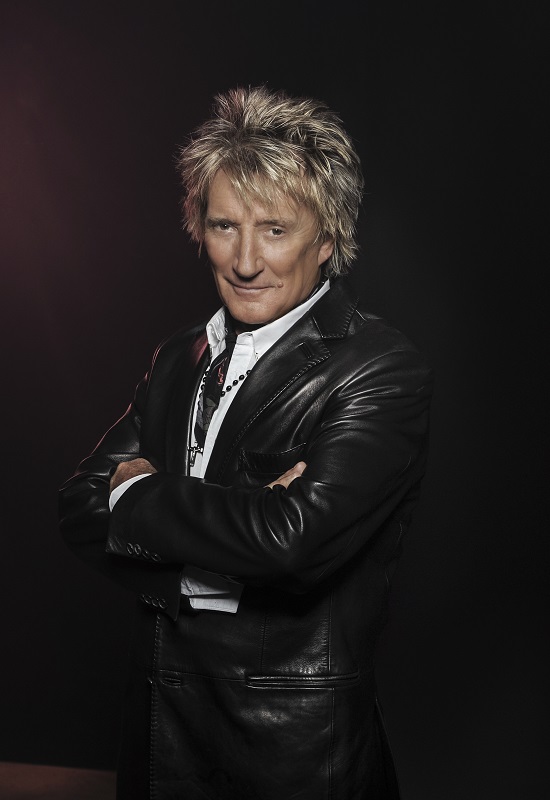
The corrected version may be less theatrical, but it is somehow more revealing. Rod Stewart did not emerge from a romantic legend carefully prepared for public consumption. He was a working-class London youth trying different jobs, following his enthusiasm for football, and searching for a direction that might give his restless energy a purpose. Music did not appear as a grand destiny announced from the beginning; it developed gradually through persistence, curiosity, and the recognition that his unusual voice possessed something no conventional training could manufacture.
That voice was rough around the edges from the start. It did not offer the polished perfection associated with traditional popular singers, but it carried warmth, personality, humor, and the suggestion of experience even when Stewart himself was still young. Listeners heard a man who seemed to understand the emotional weight of a story, and musicians quickly recognized that his rasp could transform familiar material into something intensely personal.
A decisive opportunity arrived when guitarist Jeff Beck recruited Stewart into the Jeff Beck Group in 1967. With Ronnie Wood also becoming an important member, the group recorded the influential albums Truth in 1968 and Beck-Ola in 1969. Those recordings helped introduce Stewart to American audiences and established him as a vocalist capable of standing beside one of Britain’s most commanding guitarists.
After leaving the Jeff Beck Group, Stewart and Wood joined the musicians who would become Faces. With Stewart as the lead singer, the band developed a famously loose, joyful form of rock that often felt less like a formal performance than an unforgettable gathering among friends. Faces became an essential part of his artistic identity, while Stewart simultaneously continued developing the solo career that would eventually make him an international household name.
The great turning point arrived in 1971 with Every Picture Tells a Story. Blending rock, folk, blues, soul, and acoustic traditions, the album sounded intimate and expansive at the same time. Its arrangements could feel spontaneous, but beneath that informality was a remarkable instinct for storytelling and emotional rhythm.

Then radio stations discovered “Maggie May,” originally issued alongside “Reason to Believe.” The song’s conversational delivery, acoustic momentum, and memorable mandolin passage created a sound that was unlike almost anything else dominating mainstream radio. According to Stewart’s official career timeline, the album and single reached number one simultaneously in both the United Kingdom and the United States, turning him into a major international star.
More than twenty years later, that same song was still powerful enough to resonate across Copacabana. The young narrator of the 1971 recording had become a seasoned performer facing one of the largest crowds ever associated with a musical event. Yet the essential quality remained unchanged: the voice still sounded direct, imperfect, and unmistakably human.
Throughout the 1970s, Stewart expanded his musical identity instead of remaining confined to one successful formula. His recordings drew from folk, blues, soul, and rock, allowing him to move between intimate reflection and arena-sized celebration. He understood that an artist could preserve a recognizable personality while continuing to explore different arrangements, producers, and traditions.
This adaptability would become one of the foundations of his longevity. Many artists achieve one defining period and spend the remainder of their careers attempting to reproduce it, but Stewart repeatedly found new ways to reach the public. His move into interpretations of classic standards through The Great American Songbook series, launched in 2002, introduced his mature voice to another enormous audience and demonstrated that reinvention did not require him to abandon his identity.
By that stage, the grain in his voice carried something different from the youthful defiance of his earliest recordings. It carried decades of performance, family life, public triumph, changing relationships, health challenges, and personal reflection. The songs of an earlier American era sounded believable because Stewart approached them not as museum pieces, but as stories filtered through a long life.
His commercial achievements offer one measure of that connection. Stewart has sold more than 120 million records worldwide, placing him among the most successful recording artists in modern popular music. He was inducted into the Rock & Roll Hall of Fame as a solo artist in 1994, while Faces received induction in 2012, recognizing both sides of a career that had developed through individual ambition and unforgettable collaboration.
Yet statistics alone cannot explain what makes the Copacabana concert so compelling. A crowd of 3.5 million is impressive because of its size, but its deeper meaning lies in what each person represented. Across that beach were multiple generations, different languages, countless personal histories, and listeners who had discovered Stewart’s music at entirely different moments in their lives.
Some had followed him since Faces. Others knew the great solo records of the 1970s, while younger listeners may have inherited the songs through parents, radio, and family collections. For one evening, those separate histories converged beside the Atlantic, transforming a familiar coastline into a living monument to the extraordinary reach of popular music.
The performance also revealed something essential about Rod Stewart’s appeal. His songs travelled successfully because they rarely felt distant or overly polished. Even when standing before millions, he retained the manner of a singer communicating with individuals rather than addressing an anonymous mass. That gift allowed the enormous Copacabana gathering to feel strangely personal.
The journey from measuring plots at Highgate Cemetery to singing before millions on a Brazilian beach sounds almost too dramatic to be true. Yet its most inspiring lesson is not that fame can elevate someone from obscurity to grandeur. It is that authenticity, persistence, and adaptability can carry an artist across borders, generations, and musical eras without erasing the qualities that first made him distinctive.
On that New Year’s Eve, the fireworks eventually faded and the enormous crowd gradually departed. The ocean remained, the stage was dismantled, and Rio entered another year. But the image of Rod Stewart standing before the multitude at Copacabana entered musical history, preserving the moment when a voice born in modest London surroundings seemed powerful enough to reach an entire coastline.
It was more than a record-setting concert. It was the visible confirmation of an extraordinary journey—from uncertain clubs and formative bands to number-one records, international recognition, and one of the largest gatherings ever associated with a performer. On the night when millions filled the sand, every chapter of Rod Stewart’s story appeared to lead back to “Maggie May,” the song that first carried his voice across the world.