Introduction
The Quiet Duet That Stunned Country Music: How Linda Ronstadt and Dolly Parton Turned “I Never Will Marry” Into a Hymn of Independence
Some musical moments do not need a grand stage, a roaring crowd, or a dramatic introduction to become unforgettable. Sometimes, all it takes is two voices meeting in perfect trust. That is what happened when Linda Ronstadt invited Dolly Parton to join her on “I Never Will Marry” for the 1977 album Simple Dreams. What might have seemed, at first glance, like a modest folk ballad became one of the most quietly powerful performances in country-folk history. Nearly five decades later, the recording still feels fresh, tender, and emotionally wise, not because it tries to impress the listener, but because it speaks with such rare sincerity.
By the time Simple Dreams arrived, Linda Ronstadt had already become one of the defining voices of American music. She possessed a gift that allowed her to move gracefully between rock, country, folk, and pop without ever sounding like a visitor in any of them. Her voice carried strength without hardness, sorrow without exaggeration, and warmth without sentimentality. Dolly Parton, meanwhile, was emerging as one of country music’s most distinctive and beloved artists, a singer and songwriter whose high, delicate voice could make even the simplest line feel touched by memory. Each woman had a voice that was instantly recognizable. Together, they created something almost weightless.
“I Never Will Marry” is not a song that announces itself loudly. Its power lies in restraint. The old folk ballad tells of a woman who chooses a life of independence rather than following the expected road of marriage. In lesser hands, the song might have sounded mournful or resigned. But in the hands of Linda Ronstadt and Dolly Parton, it becomes something richer and more dignified. It is not simply a lament. It is a declaration of self-respect, sung with the calm strength of someone who has known disappointment and still refuses to surrender her inner life.
The beauty of this duet begins with the balance between the two singers. Linda Ronstadt carries the lead with a steady, luminous confidence, giving the song its emotional foundation. Dolly Parton enters like a soft light around the edges, her harmony floating above and beside Linda’s voice with extraordinary grace. She does not overpower the song, nor does she decorate it unnecessarily. Instead, she listens, responds, and blends. That sense of musical respect is what makes the performance so moving. It feels less like two stars sharing a track and more like two women understanding the same truth from different places in life.
For older listeners, especially those who have lived long enough to know that life rarely follows a perfect script, “I Never Will Marry” carries a special resonance. The song is not against love. It is not bitter. It simply recognizes that dignity can exist outside the usual expectations. It suggests that a person may choose solitude not as defeat, but as a way of preserving the self. That message was meaningful in 1977, and it remains deeply relevant today. In a world that often measures fulfillment by traditional milestones, this song quietly reminds us that peace, independence, and personal truth are also forms of grace.
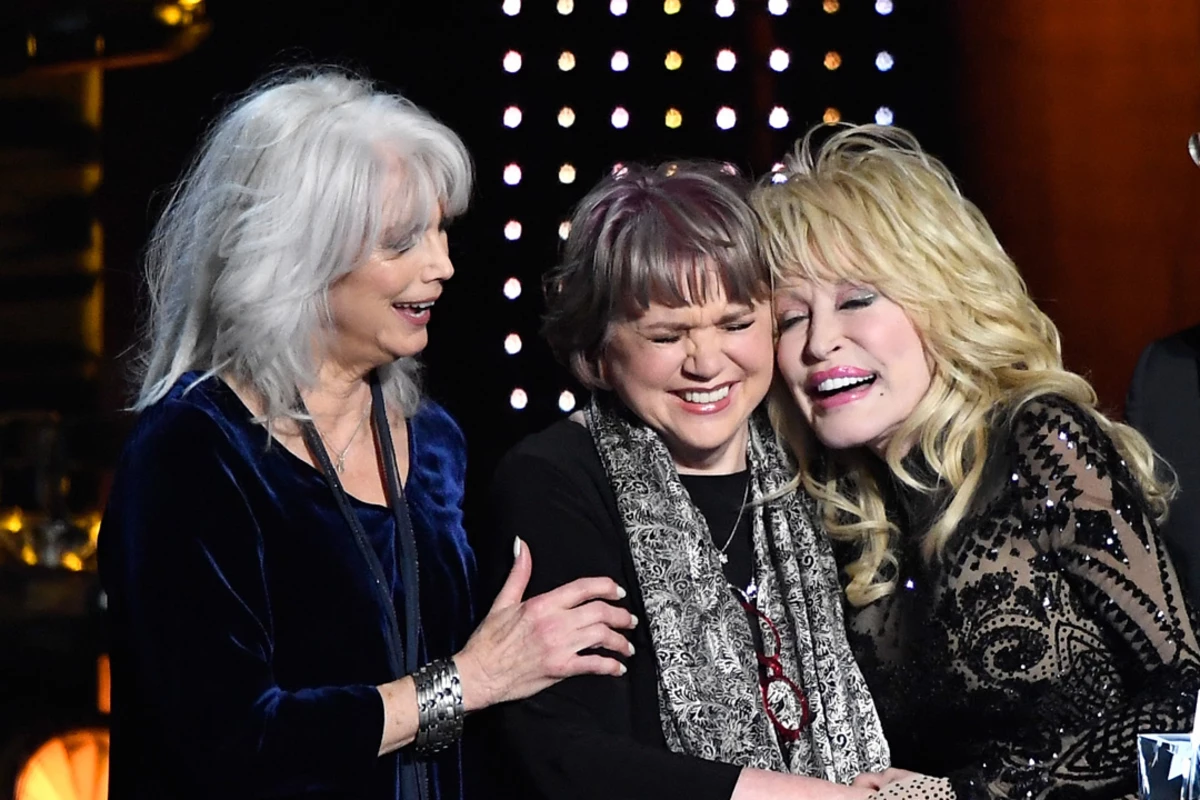
The duet also gains power from the lives and careers of the women singing it. Both Linda Ronstadt and Dolly Parton built their identities in an industry that often tried to define women narrowly. Neither accepted those limits. Linda followed her musical instincts across genres, refusing to be trapped by one label. Dolly created a world of her own through songwriting, performance, business sense, and unmistakable artistic vision. When they sing “I Never Will Marry,” the song becomes more than a folk ballad. It becomes a reflection of women who understood what it meant to choose their own path.
There is also a remarkable purity in the recording itself. It does not depend on heavy production or dramatic flourishes. The arrangement leaves room for the voices to breathe, and that space is essential. Every phrase feels honest. Every harmony feels earned. The performance respects silence as much as sound, allowing the listener to hear not only the melody, but the emotion beneath it. This is the kind of music that invites reflection rather than applause, the kind that grows more meaningful with age.
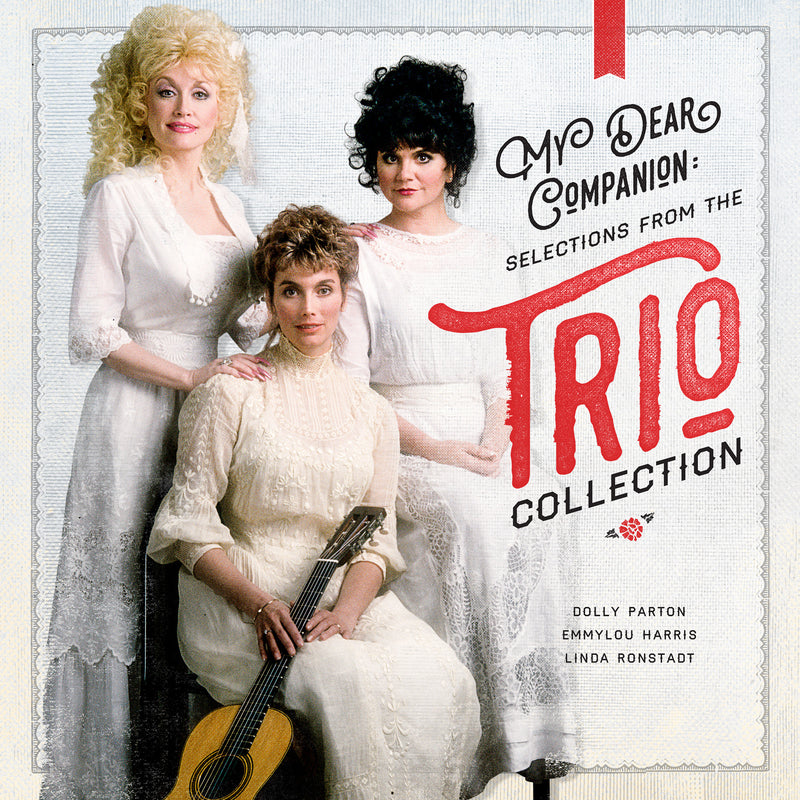
Looking back, “I Never Will Marry” also feels like an early sign of the magical connection that would later blossom in the celebrated Trio recordings with Emmylou Harris. But even before that famous collaboration, this duet revealed something unmistakable: Linda Ronstadt and Dolly Parton shared a rare musical language. Their voices did not merely harmonize; they seemed to recognize each other.
In the end, “I Never Will Marry” endures because it is beautifully sung, but also because it is emotionally honest. It speaks to anyone who has ever chosen self-respect over expectation, quiet strength over public approval, and truth over comfort. Through this graceful duet, Linda Ronstadt and Dolly Parton turned a simple folk song into a timeless meditation on independence, dignity, and the courage to live according to one’s own heart.