Introduction
THE BEE GEES NEVER ASKED MEN TO EXPLAIN THEIR PAIN—THEY SIMPLY GAVE SILENT HEARTS A VOICE

Some music belongs to a particular season. It arrives with a fashion, dominates the radio for a few months, and gradually disappears when the culture moves in another direction. Other music becomes part of a person’s emotional history. It follows listeners through courtship, marriage, parenthood, separation, grief, and the quiet years when memory begins speaking more loudly than ambition. The Bee Gees created that second, rarer kind of music. Their songs did not merely entertain millions; they gave people a language for feelings that were often too complicated, too private, or too painful to express directly.
This emotional gift held special meaning for many men of an older generation. They were frequently raised to believe that strength required silence. They were taught to work, provide, endure disappointment, and protect their families without speaking openly about fear or loneliness. A man might spend decades carrying the memory of someone he lost, the regret of words he never said, or the knowledge that life had not unfolded as he once imagined. He might never discuss those feelings with anyone. Yet when a Bee Gees song began playing, the emotions he had carefully hidden could finally enter the room without threatening his dignity.
Barry, Robin, and Maurice Gibb never instructed listeners to become vulnerable. They did something more subtle and perhaps more powerful: they created a safe place where vulnerability could exist. Their music did not demand confession, and it rarely turned sadness into theatrical despair. Instead, difficult emotions were carried inside elegant melodies and extraordinary harmonies. Listeners could approach private memories gradually, through the protective distance of a song.

That is why “Words” remains so meaningful. On the surface, it is a graceful ballad about the importance of expression. Beneath that simplicity lies a truth many people understand only after years of living: words can repair a relationship, but they can also arrive too late. They can comfort someone during a difficult season, or remain trapped inside the person who was too proud, frightened, or uncertain to speak. When the Bee Gees sang about the power of words, they were not offering a complicated philosophy. They were reminding listeners that the heart often depends upon what the voice is brave enough to reveal.
“How Deep Is Your Love” carries another kind of emotional weight. Its beauty is gentle rather than dramatic, but the questions within it are profound. How deeply can one person trust another? Can devotion survive distance, doubt, and the pressures of the outside world? For a young listener, the song may sound like a tender declaration. For someone who has lived through decades of love, it can become something richer—a reflection on loyalty, forgiveness, and the quiet work required to remain beside another human being.
The meaning of such songs changes as listeners grow older. A melody first heard during courtship may later become associated with a wedding, a family home, or a partner who is no longer present. The recording remains the same, but the listener does not. Time adds new rooms to the song. A line once heard casually can suddenly feel devastating because life has finally provided the experience required to understand it.

That emotional transformation is central to the enduring power of the Bee Gees’ music. Their songs never belonged to one feeling alone. Joy could contain sadness. Gratitude could carry fear. A memory could bring comfort and pain in the same instant. The brothers understood that real emotion is rarely simple, especially for people who have lived long enough to recognize how closely love and loss are connected.
In “Too Much Heaven,” devotion seems almost weightless, lifted by harmonies that appear to rise beyond ordinary experience. Yet the song also contains an awareness that genuine love is rare and should never be treated casually. Older listeners may hear it not simply as a romantic promise, but as gratitude for the person who remained through illness, uncertainty, financial hardship, and the countless ordinary difficulties that test a relationship more severely than dramatic events ever could.
“Massachusetts” reaches another private place entirely. Its longing for return can speak to anyone separated from home, youth, or a former version of life. Home is not always a physical location. Sometimes it is a vanished family gathering, a parent’s voice, a neighborhood transformed beyond recognition, or a time when the future still seemed open. The Bee Gees could place that entire emotional landscape inside a melody without explaining every detail. They trusted listeners to bring their own memories.
That trust distinguished their songwriting. The brothers did not fill every emotional space with unnecessary language. They understood the importance of suggestion, restraint, and silence. Their harmonies seemed to complete thoughts that individual words could not contain. When their voices joined, the effect was not merely technical beauty. It sounded like shared history.
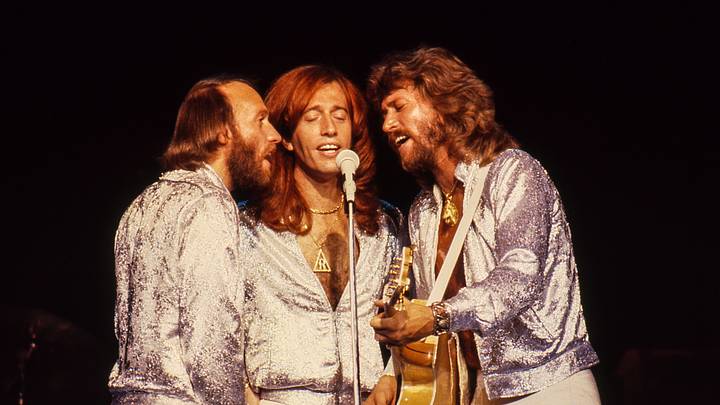
Barry’s warmth, Robin’s unmistakable emotional intensity, and Maurice’s steady musical foundation created a blend that could not have been manufactured by studio technique alone. Their sound came from years of singing together as brothers, learning one another’s instincts, weaknesses, and strengths. Behind the precision was a family relationship shaped by loyalty, rivalry, pressure, success, separation, and reunion.
That history can be heard even when listeners know nothing about the circumstances surrounding a particular recording. Family harmony possesses a unique quality because the voices seem to recognize one another before the notes are fully sung. The brothers breathed together, responded to the smallest changes in phrasing, and created the impression that three individual lives had briefly become one emotional voice.
Their public image sometimes obscured this depth. Certain audiences remember the Bee Gees primarily through dance-floor success, gleaming stage clothing, and the unmistakable falsetto associated with the late 1970s. Those achievements were important, but they represented only one chapter of a much larger story. Long before and after that period, the brothers wrote songs of remarkable tenderness, loneliness, spiritual searching, and emotional maturity.
They also wrote for other artists, proving that their understanding of human feeling extended far beyond their own performances. Their melodies survived changing production styles because they were built upon emotions that do not become outdated. People will always struggle to communicate love. They will always miss home, regret mistakes, fear abandonment, and search for reassurance that they still matter to someone.
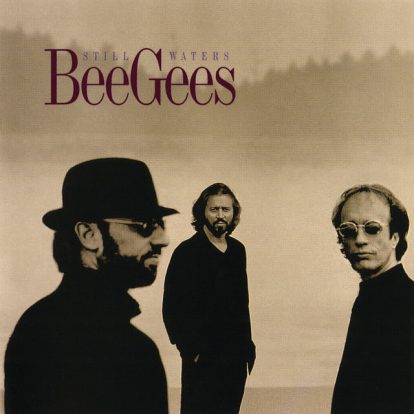
This is why the Bee Gees gave silent hearts a voice when words were too heavy. Their music allowed listeners to acknowledge feelings without being forced to explain them. A man could sit alone in his automobile, hear a familiar opening chord, and remember someone whose name he had not spoken in years. He did not need to announce his grief. The song understood it for him.
For many older listeners, that private understanding was invaluable. Their generation did not always possess the language now commonly used to discuss emotional pain. They learned endurance before self-expression and responsibility before vulnerability. Music became one of the few acceptable places where sorrow could surface. The Bee Gees never mocked that silence or attempted to break it through force. They entered it respectfully and filled it with harmony.
There is dignity in that approach. Not everyone heals through conversation, and not every memory needs to become a public confession. Sometimes healing begins when a song confirms that another person has felt something similar. The listener realizes that loneliness is not a private failure and that longing does not indicate weakness. It simply proves that something—or someone—once mattered deeply.
Today, new generations continue discovering “To Love Somebody,” “I Started a Joke,” “First of May,” “How Can You Mend a Broken Heart,” and the many other recordings that reveal the remarkable emotional range of the Gibb brothers. Younger listeners may encounter these songs through films, streaming services, family collections, or recommendations from parents and grandparents. The technology changes, but the response remains recognizably human.
The Bee Gees still matter because they understood the emotional lives people often conceal. They knew that love can remain unfinished, that grief can survive beneath an ordinary smile, and that memory becomes more powerful as the years pass. Their songs did not promise that every wound could be repaired. They offered something more honest: companionship inside the feeling.
They never asked men to cry. They simply made it possible for them to feel seen.
And for anyone who has ever struggled to speak while carrying a heavy heart, that may be among the greatest gifts music can give.